Senegal weighs legal action against BP and Woodside over oil contracts
economy
Dakar signals readiness to renegotiate terms amid rising hydrocarbon profits
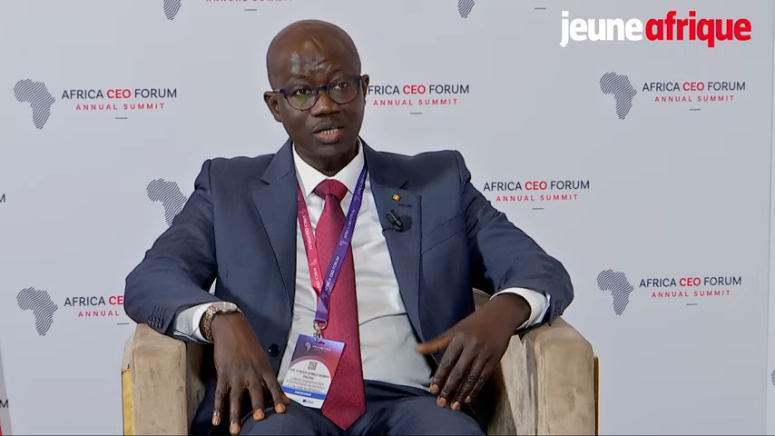
Dakar is flexing its muscles in the oil sector. Khadim Bamba Diagne, Permanent Secretary of Senegal’s Strategic Orientation Committee for Oil and Gas, has made it clear that the government will not hesitate to take drastic measures—including international arbitration—to secure fairer terms in its contracts with energy giants BP and Woodside.
Speaking at the Africa CEO Forum, Diagne emphasized the need to correct contractual imbalances early, warning that leaving inequities unaddressed could lock the country into unfavorable conditions for decades. “We’ve learned from past mistakes,” he stated, highlighting that some agreements span 30 to 50 years—making immediate adjustments critical.
Why arbitration may be the path forward
The Senegalese government’s push for renegotiation comes as global hydrocarbon prices surge, leaving Dakar determined to ensure its people—and its fishing industry—benefit proportionally. With offshore oil and gas operations directly impacting coastal communities that employ between 600,000 and 700,000 Senegalese, Diagne argues that the country cannot afford to tolerate contracts that prioritize foreign profits over local development.
“A responsible state does not accept an arrangement where negative externalities burden the nation while the bulk of gains go to international partners,” he asserted. The goal, he explained, is to rebalance the scales so that Senegal’s fishing sector and broader economy can thrive alongside hydrocarbon extraction.
Offshore drilling’s ripple effects
The tension underscores a deeper issue: the clash between rapid resource extraction and sustainable community livelihoods. Offshore projects, while economically lucrative, disrupt marine ecosystems vital to Senegal’s fishing industry—a sector that sustains hundreds of thousands of households. Diagne’s stance reflects growing frustration with models that extract wealth without reinvesting equitably in local industries.
“When prices rise, our partners smile—so why shouldn’t Senegal?” he questioned. “Every stakeholder in these joint ventures must see tangible benefits from the current market conditions.”
Setting the stage for future oil deals
Arbitration, Diagne suggested, could establish legal precedents to guide Senegal’s oil and gas contracts for generations. Since the country’s hydrocarbon sector is still in its infancy, laying a solid foundation now is imperative. “We don’t yet know when these projects will conclude,” he noted, “but we must act decisively to protect our interests.”