Mali: JNIM Blockade in Bamako Triggers Humanitarian Crisis, Warns Amnesty
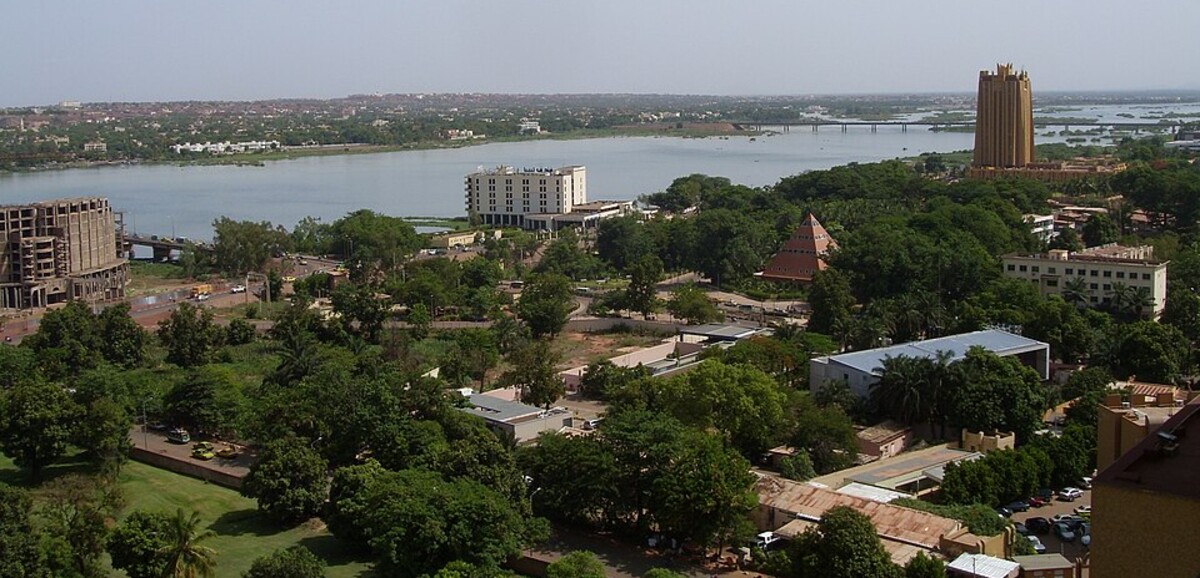
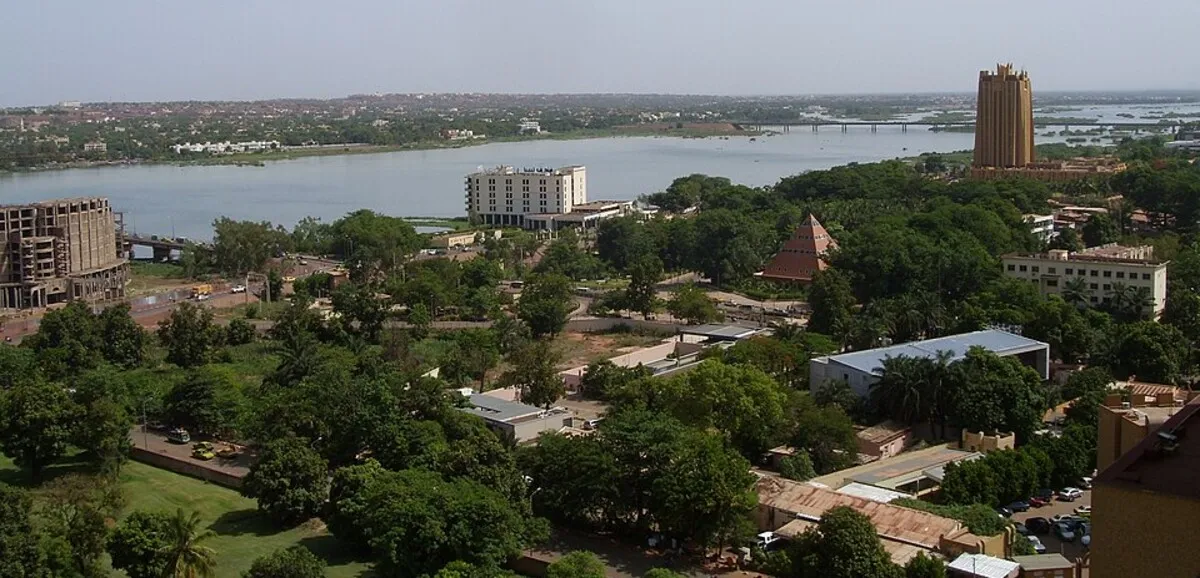
The capital of Mali, Bamako, has been under siege since April 30, enforced by jihadists from the Group for the Support of Islam and Muslims (JNIM). On May 15, Amnesty International issued an urgent call for the armed group to cease its operations, emphasizing the devastating impact on civilian lives and movement.
How the Blockade Is Crippling Daily Life
Since the blockade began, Amnesty International has documented severe disruptions to essential services and civilian mobility. The organization highlighted unacceptable consequences for residents, particularly regarding food security, healthcare access, and basic freedoms. In a stark warning, the group stressed that “attacks on civilian vehicles violate international humanitarian law.”
Violations of Humanitarian Law
On May 6, militants targeted a commercial convoy traveling between Bamako and Bougouni, carrying agricultural goods such as fruits. Amnesty International confirmed the vehicles were not military-linked and lacked military escort, yet were still attacked. This incident forced transport companies to suspend operations to and from the capital, worsening supply shortages.
A Call for Immediate Action
In response to the crisis, Amnesty International urged all parties in the conflict to uphold international law by protecting civilians. Regional director Marceau Sivieude stated, “The blockade and attacks on civilians pose severe threats to their fundamental rights, including food, health, and safety.” The organization warned that prolonged restrictions risk exacerbating an already fragile humanitarian situation in Bamako.
Broader Context: Conflict Escalation in Mali
Recent clashes in Bamako followed coordinated attacks on April 25–26 by the JNIM and the Azawad Liberation Front (FLA), targeting key military positions. The violence has intensified pressure on the ruling junta, deepening instability across the region. With Bamako’s accessibility severely restricted, the humanitarian toll continues to mount, leaving residents in urgent need of protection and relief.