Laurent Gbagbo retains control of his party in Côte d’Ivoire
Laurent Gbagbo, former President of Côte d’Ivoire, has been re-elected as head of the Parti des peuples africains – Côte d’Ivoire (PPA-CI) during the party’s first ordinary congress. Despite earlier hints of stepping back, his leadership continues to resonate strongly with supporters, even as the party faces challenges following multiple election boycotts.
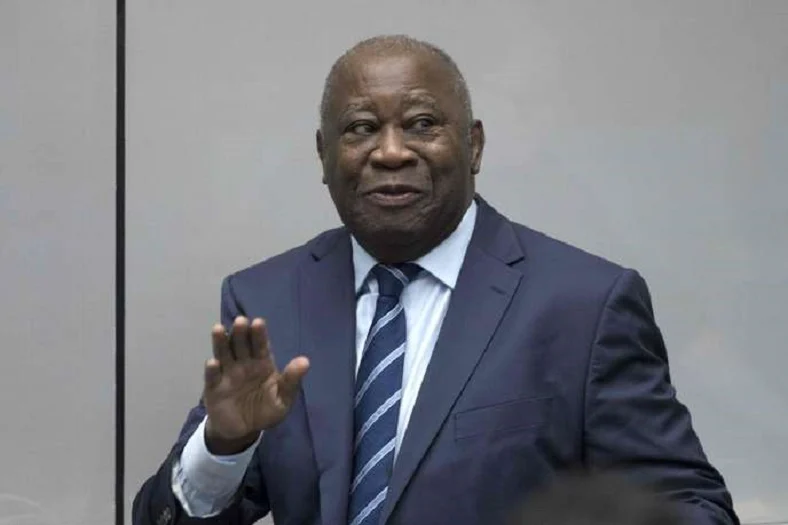
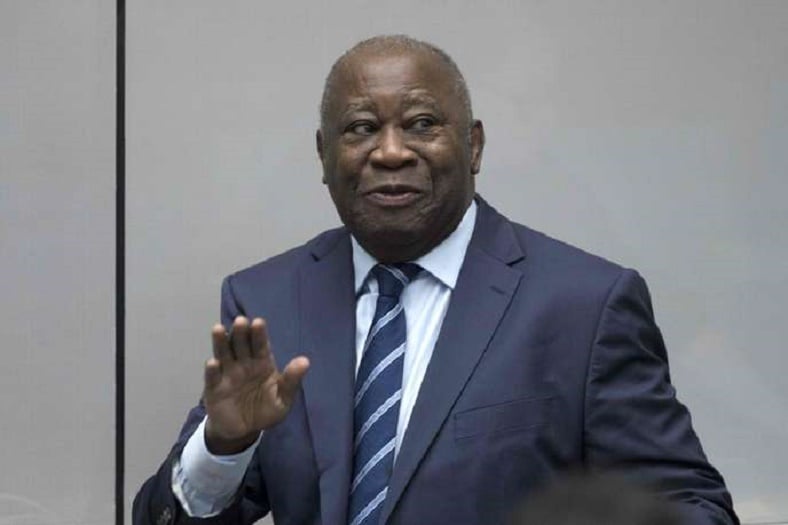
Former Ivorian leader Laurent Gbagbo, now an opposition figure, was reaffirmed as party president on Friday at nearly 81 years old, just months after announcing plans to retire from politics in late 2025.
Gbagbo was barred from contesting the October 2025 presidential election due to a criminal conviction, which prevented his inclusion on the electoral roll. His party, the PPA-CI, did not nominate or endorse any candidate in that election, later boycotting the December legislative polls. As a result, the party now holds no parliamentary seats and only a handful of local mayoralties remain under its control.
Party reaffirms Gbagbo’s leadership
In a decisive vote at the close of its first ordinary congress, the PPA-CI formally renewed Laurent Gbagbo’s mandate as party president. The decision was met with enthusiastic approval from several thousand delegates gathered at the Treichville Congress Hall in Abidjan.
Upon his arrival, Gbagbo was greeted with warm applause and chants from supporters. “I am happy to feel this warm energy; thank you,” he said in brief remarks. A more extensive address is scheduled for Saturday in Songon, south of Abidjan.
In October 2025, Gbagbo had publicly stated his intention not to seek re-election as party leader and to “avoid holding political office.” However, his stance shifted during the congress, where delegates overwhelmingly backed his continued leadership.
The party also adopted a supportive resolution toward the Alliance des États du Sahel (AES), a confederation comprising Burkina Faso, Mali, and Niger—three countries governed by anti-colonial military juntas with strained relations with Abidjan. The motion was met with strong approval from the assembly.
Disciplinary measures were also announced against party members accused of disobedience. Ahoua Don Mello, who ran independently in the 2025 presidential race against party directives, was expelled, while Stéphane Kipré—who contested the legislative elections as an independent and won a seat—received an 18-month suspension.
The once-dominant left-wing movement in Côte d’Ivoire, historically led by Gbagbo during his presidency (2000–2011), has since fractured. Key figures such as his former wife Simone Ehivet Gbagbo, former ally Charles Blé Goudé, and former Prime Minister Pascal Affi N’Guessan have distanced themselves from the PPA-CI.
Gbagbo’s political future now hinges on his reinstatement on the electoral roll, which requires presidential amnesty. His successor, Alassane Ouattara, has held power since 2011 following a violent post-election crisis that pitted their factions against each other.