
jNIM blockade in Bamako sparks humanitarian crisis warns amnesty international
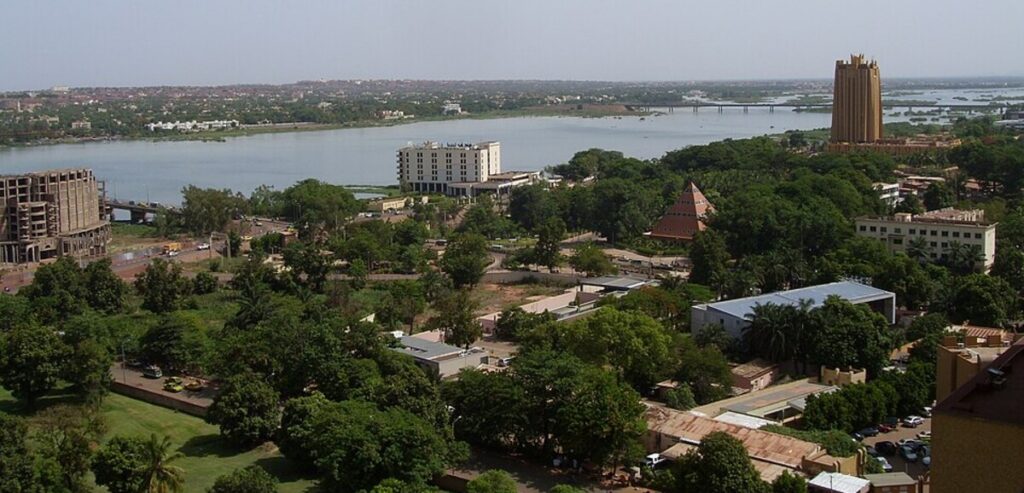
The capital of Mali, Bamako, has been under a strict blockade since April 30, enforced by jihadists from the Group for the Support of Islam and Muslims (jNIM). Amnesty International issued an urgent appeal on May 15, demanding the armed group halt its actions that severely restrict civilian movement and safety.
Unacceptable toll on civilian life and movement
The blockade, now in its third week, has triggered severe disruptions in daily life. Amnesty International condemned the “unacceptable consequences” on civilian mobility, warning that the restrictions could escalate into grave violations of fundamental rights, including access to food, healthcare, and security.
Marceau Sivieude, Amnesty International’s Regional Director, emphasized the legal obligations under international humanitarian law, stating, “Parties in conflict must always distinguish between civilians and combatants. Attacks on civilian vehicles, especially those transporting goods, are illegal and unacceptable.”
Transport sector crippled by blockade
On May 6, jihadists targeted a civilian convoy transporting fruits between Bamako and Bougouni, despite the absence of military escort or personnel. This incident has forced multiple transport companies to suspend operations to and from the capital, exacerbating supply shortages and economic strain.
The blockade was imposed in response to military offensives targeting the Malian junta in late April. Despite the ongoing conflict, Amnesty International insists that civilians must remain protected and that humanitarian access must be guaranteed.
Humanitarian crisis looms as blockade persists
The prolonged blockade has already disrupted supply chains, leaving markets undersupplied and prices soaring. The situation is particularly dire for vulnerable populations, including women, children, and the elderly, who face heightened risks of food insecurity and lack of medical care.
International observers are calling for an immediate lifting of the blockade to prevent further deterioration of the humanitarian situation in Bamako. The blockade not only violates international law but also deepens the suffering of civilians caught in the crossfire.
What’s next for Bamako?
As diplomatic efforts intensify, the international community is urging all parties to prioritize civilian safety and restore essential services. The blockade’s continued enforcement risks plunging Bamako into a full-blown humanitarian crisis, with long-term consequences for stability and recovery.
- jNIM
- civilian freedom of movement
- Amnesty International
- Mali
- Bamako
- civilians
- security
- transport blockade
- Group for the Support of Islam and Muslims
- Front for the Liberation of Azawad
You may also like
-
Bénin’s agricultural breakthrough: how government policies reshaped the economy
-
Urgent meeting at ousmane sonko’s residence ahead of pastef congress
-
Mali blocus in Bamako: amnesty international warns of civilian suffering
-
Laurent Gbagbo maintains leadership of Ivorian party after congress
-
Mali blocus of Bamako by armed group violates humanitarian law