Can 760 million dollars transform Niger without transparent oversight?
As the World Bank prepares to inject an additional $760 million into Niger’s energy, agriculture, and water sectors, the real question isn’t whether the funds will arrive—it’s whether they’ll be managed with the transparency required to make them meaningful. With Niger’s budget transparency score plummeting from 33 to just 6 out of 100 between 2023 and 2025, the country faces a governing paradox: it’s about to receive a lifeline, yet lacks the mechanisms to ensure it won’t be squandered.
The transparency crisis threatening a historic investment
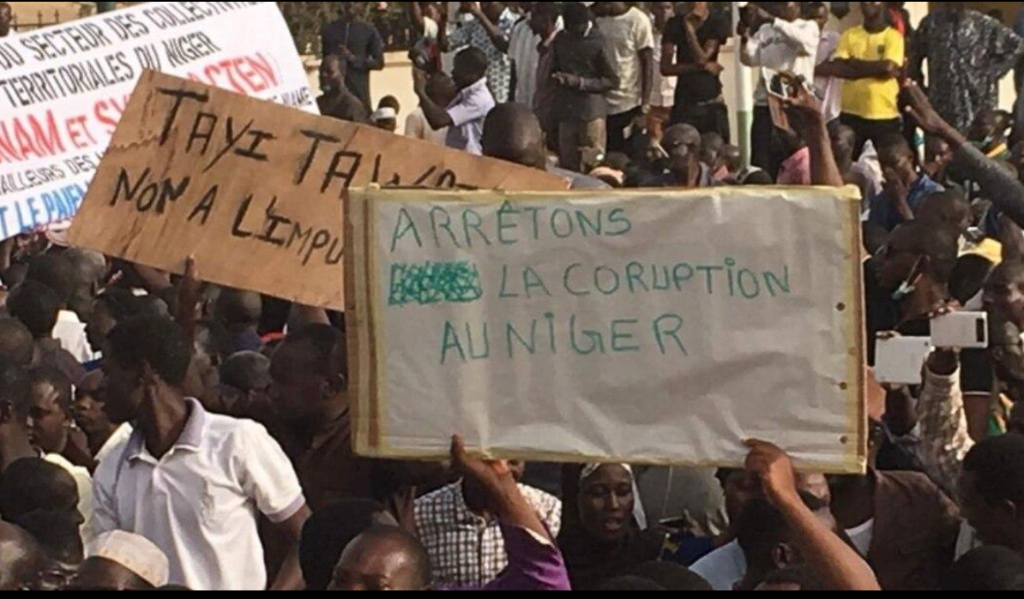
The stark decline in Niger’s budget transparency isn’t just a number—it’s a warning. The 2025 Open Budget Survey reveals that Niger now ranks near the bottom globally, with almost no citizen participation in financial decisions and zero ability to track public spending. This erosion of accountability coincides with restrictions on media freedom and civil society, raising concerns about who, if anyone, will scrutinize how these funds are spent.
Why public participation isn’t optional—it’s essential
Transparent governance isn’t a luxury; it’s the foundation of sustainable development. When citizens can’t access budget data, journalists face censorship, or independent watchdogs are silenced, the risk isn’t just inefficiency—it’s corruption. Without robust civic oversight, even the most well-intentioned financial injections can vanish into mismanagement, leaving infrastructure projects half-built and communities without answers.
Nigeria’s looming challenge: Who will hold the purse strings?
The World Bank’s pledge of $760 million—part of a larger $4 billion portfolio—could reshape Niger’s economy. But without clear conditions, this opportunity may prove fleeting. The government must publicly disclose:
- The exact terms of the funding agreement
- Sector-specific allocations and project timelines
- Repayment terms for loan components
- Lists of contractors and subcontractors
- Quarterly progress reports and audit findings
A failure to do so risks repeating past patterns, where opaque deals leave citizens in the dark while funds disappear into mismanagement.
The World Bank’s role: Guarding against financial leakage
As the lender, the World Bank bears equal responsibility to enforce its own anti-corruption safeguards. This includes:
- Independent audits at every project milestone
- Public disclosure of all financial disbursements
- Protection for whistleblowers and investigative journalists
- Community-level monitoring mechanisms
Without these checks, the funds risk becoming just another injection of debt without tangible benefits.
Sovereignty without accountability: A contradiction in terms
Niger’s government champions economic independence, but true sovereignty requires more than rejecting foreign influence—it demands rigorous internal oversight. The paradox? Claiming autonomy while restricting civic freedoms erodes trust and invites mismanagement. A country that secures billions without transparency doesn’t gain strength—it merely shifts the source of its dependency from financial partners to unchecked power.
The path forward: Transparency as the ultimate safeguard
The $760 million could fund schools, irrigation systems, or renewable energy. But without public participation and independent oversight, it risks funding little more than empty promises. For Niger’s 760 million dollar question, the answer lies not in the size of the investment, but in the strength of its accountability systems. Will the government open the books—or will history repeat itself?