Can Benin’s diplomatic ascent redefine Francophonie’s agenda for 2027 and beyond?
The question looms large after a historic announcement from Phnom Penh: will Benin leverage its new vice-presidency of the Francophonie Ministerial Conference (CMF) to become a game-changer for the global Francophone community? The 48th session of the CMF, held on November 14, 2026, marked a turning point not just for Benin’s diplomatic trajectory but for the future direction of the Organisation internationale de la Francophonie (OIF).
From observer to decision-maker: Benin’s strategic breakthrough
Benin’s appointment to the vice-presidency of the CMF—until the next ordinary session in 2027—cements its rise from diplomatic participant to influential voice within one of the most critical forums of the Francophonie. This role grants Benin a direct stake in shaping the organization’s most pressing debates, from political and financial priorities to crisis resolution and cultural preservation. The move reflects Cotonou’s growing ambition to transcend regional boundaries and assert itself as a key player in multilateral diplomacy.
The significance of this appointment cannot be overstated. The CMF serves as the preparatory body for the Francophonie Summit, where heads of state and government gather to set the OIF’s strategic course. By securing a seat at the vice-presidential table, Benin now has unprecedented access to influence the agenda that will define Francophonie’s priorities for years to come—priorities that include peacebuilding, economic resilience, and cultural cohesion.
Corinne Amori Brunet: Benin’s diplomatic frontline in cambodia
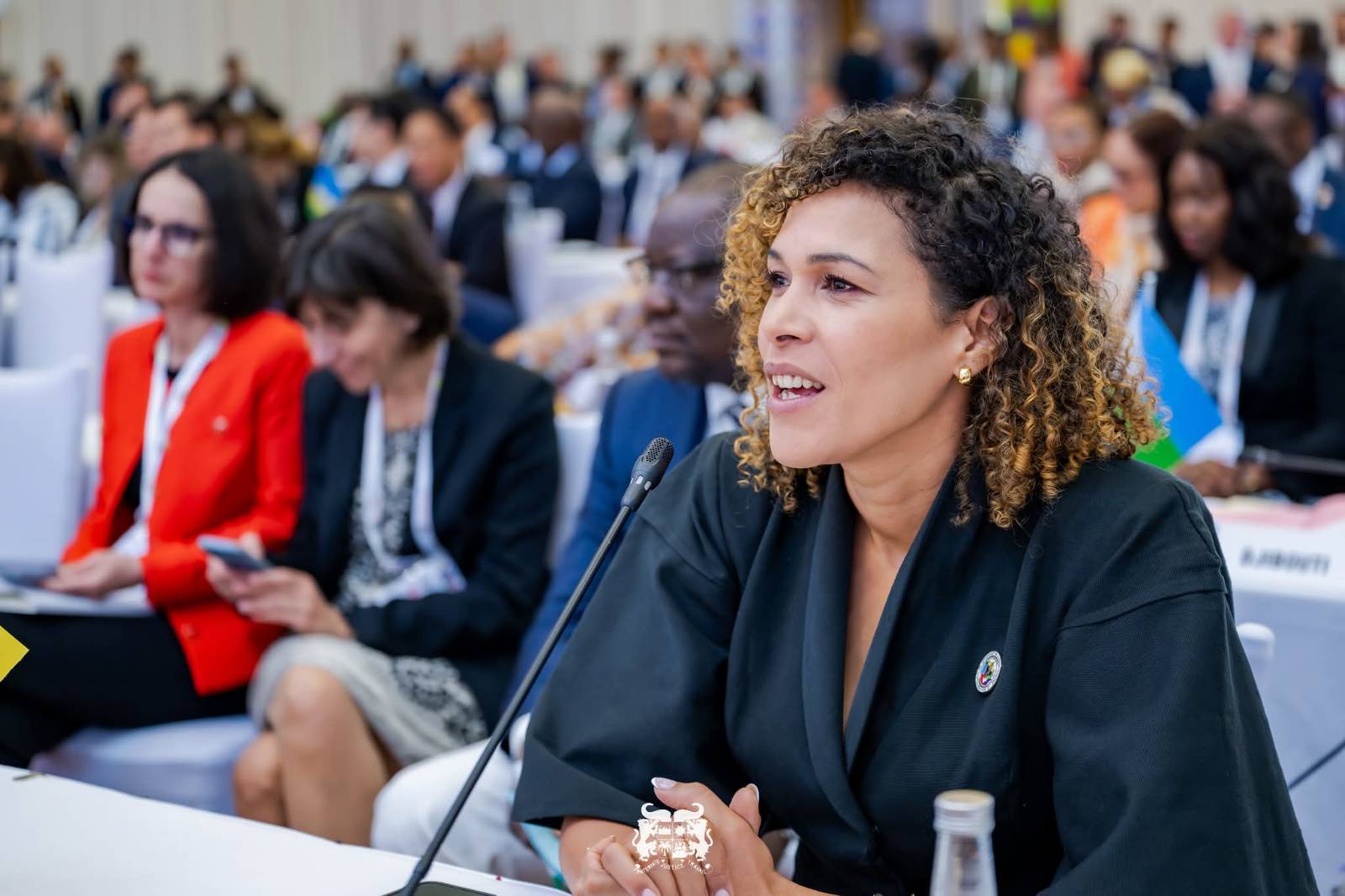
Representing Benin at the Phnom Penh gathering was none other than the Minister of Foreign Affairs, Corinne Amori Brunet. Her presence underscored the high stakes Benin places on Francophonie engagement, signaling a commitment to deepening ties with fellow member states and advancing shared objectives. The discussions during the 48th session revolved around four pillars: political alignment, institutional reforms, financial sustainability, and crisis response—all areas where Benin’s new role could yield tangible outcomes for the Francophone world.
Peace, culture, and crisis: the themes dominating francophonie’s agenda
The 2026 CMF session was not just procedural—it was ideological. Under the guiding theme “Reinvesting in Peace for Shared Prosperity and Sustainable Stability,” ministers focused on three critical deliverables: the Phnom Penh Declaration, a resolution on conflict resolution and post-crisis reconstruction, and the Phnom Penh Appeal for cultural heritage protection. These documents are set to anchor discussions at the 20th Francophonie Summit, scheduled for November 15–16, 2026, where heads of state will ratify the frameworks Benin helped shape.
For Benin, this involvement is more than symbolic. It positions the country at the heart of efforts to prevent and resolve conflicts within the Francophone space, particularly in regions grappling with geopolitical instability, security vacuums, and social fragmentation. By aligning itself with these priorities, Benin strengthens its reputation as a bridge-builder and proactive mediator.
Benin’s dual diplomatic win: vice-presidency and hosting rights
The momentum didn’t stop with the vice-presidency. During the same session, Benin’s bid to host the 2027 CMF session received strong backing from fellow ministers. While final approval rests with the heads of state, this endorsement signals solid international confidence in Benin’s capacity to organize high-level diplomatic events. Hosting the conference would offer a platform to showcase Cotonou’s diplomatic prowess, enhance its international profile, and solidify its role as a champion of Francophonie values.
But what does this mean for Benin’s citizens and economy? The answer lies in the downstream benefits of multilateral visibility. A successful hosting would attract global attention, boost tourism, and catalyze partnerships in education, trade, and development—areas already prioritized under Benin’s national agenda. Moreover, the vice-presidency ensures Benin’s enduring influence within the OIF’s decision-making circles, potentially translating into increased development aid, security cooperation, and cultural exchange programs.
A legacy in the making: Benin’s long-term strategy within oif
Benin’s ascendancy in the Francophonie reflects a deliberate strategy to reposition itself on the global stage. By investing in multilateral institutions, the country is diversifying its diplomatic portfolio beyond traditional partners and asserting itself as an independent voice in global governance. The vice-presidency is not a fleeting honor—it’s a platform to advance Benin’s vision for a Francophonie that is more united, more resilient, and more responsive to the challenges of the 21st century.
The road ahead includes leveraging this role to push for economic integration within the Francophone space, advocating for climate resilience initiatives, and strengthening educational and cultural exchanges. With the 2027 CMF session potentially on home soil, Benin has the chance to turn diplomatic capital into tangible gains for its people and its partners.
What’s at stake for 2027 and beyond
The stakes are high—not just for Benin, but for the entire Francophonie community. As the organization prepares to enter a new leadership cycle (2027–2030), Benin’s vice-presidency positions it to influence the selection of the OIF Secretary-General and the definition of the next strategic plan. Will Benin use this influence to prioritize African Francophone voices? To advance digital sovereignty? To address migration and youth employment?
One thing is clear: Benin is no longer content with being a passive participant. From Phnom Penh to Cotonou, the message is loud and clear—Benin is ready to help steer the Francophonie toward a future that is more inclusive, more dynamic, and more aligned with the realities of a shifting global order.