After nearly three weeks of disruption, Malian authorities break months of inaction
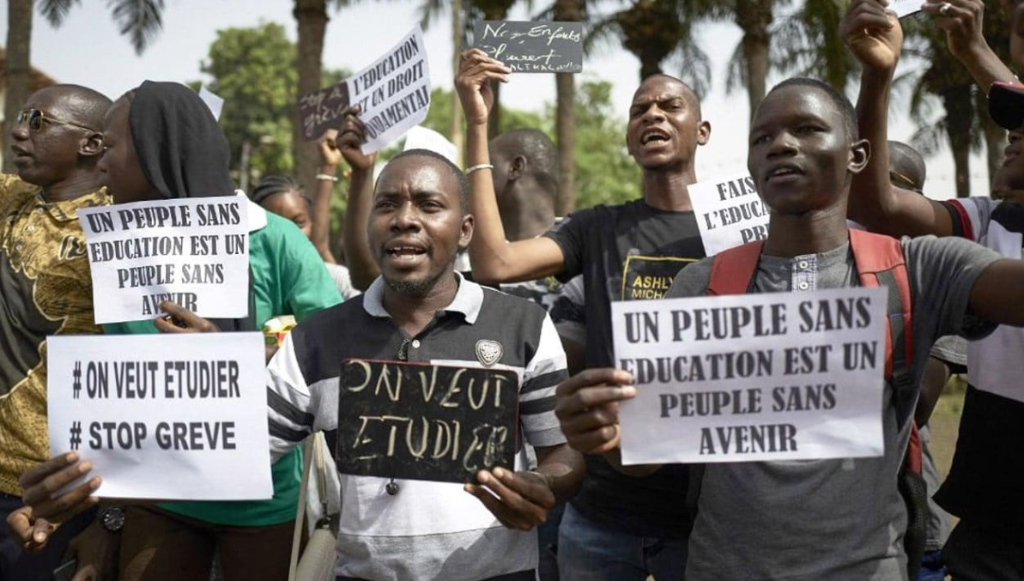
After nearly a month of paralysis in Mali’s higher education sector, the Syndicat national de l’enseignement supérieur et de la recherche scientifique (SNESUP) has reported a significant shift in the government’s approach. For the first time since the strike began on October 26, representatives of the country’s lecturers have been granted an audience with top transitional authorities. But with the movement now entering its fourth week, the critical question remains: will this new engagement finally lead to a tangible resolution?
The prolonged strike, which continues unabated despite the authorities’ initial silence, centers on the long-overdue implementation of a presidential decree from 2017—a prime de recherche promised to lecturers and researchers but never paid out.
What teachers expect: clarity on delayed payments
The SNESUP’s demands are clear and non-negotiable. Nearly nine years after the decree was signed—presidential order n° 2017-0850/P-RM dated October 9, 2017—the union insists on three immediate actions:
- Formal definition of the research bonus amount — a long-promised financial recognition for scholarly contributions.
- Clear payment modalities — including a transparent schedule for disbursement to avoid further delays.
- Settlement of accumulated arrears — compensation for all missed payments since 2017.
For educators, this is not a new demand. It is the fulfillment of a regulatory commitment that the State has repeatedly postponed. The research bonus is meant to support scientific publishing, academic conferences, and research initiatives—areas where Mali’s universities lag behind regional standards.
Students caught in the academic fallout
The persistence of the strike has created a ripple effect across institutions such as the Université des Sciences, des Techniques et des Technologies de Bamako (USTTB) and the École Normale Supérieure. Class suspensions, delayed exams, and disrupted graduation timelines threaten the academic progress of thousands of students.
Parents and learners are increasingly vocal, with concerns over lost semesters and uncertain graduation dates. Although an earlier mediation attempt involving local leaders failed to end the strike, the urgency now comes directly from the highest level of government.
Will dialogue be enough to end the paralysis?
The meeting held on November 14–15 between SNESUP leaders and transitional authorities marks a historic moment: the State has finally acknowledged the legitimacy of the lecturers’ claims. But recognition alone does not resolve years of inaction.
In a press release, the union confirmed the meeting took place but stated that the contents remain confidential—at least for now. The SNESUP has called off no strike dates and has urged its members to remain mobilized until concrete commitments are made.
According to insiders, the syndicate is now preparing to consult its members before deciding whether to extend or suspend the strike. The ball is in the government’s court: to present a proposal that not only addresses the bonus but also restores trust in Mali’s higher education system.
With tensions rising and the academic year hanging in the balance, one thing is certain: after nearly a decade of waiting, Mali’s lecturers are no longer willing to accept empty promises.
The road ahead: from dialogue to resolution
While the authorities’ willingness to engage is a first step, the SNESUP has made it clear that words must be followed by action. Students, parents, and academic communities are watching closely, hoping this intervention will mark the beginning of a lasting solution—not just another round of negotiations.
For now, the strike continues. And with each passing day, the pressure on the transitional government grows.