From export surplus to import dependency: how a refining nation faced a fuel paradox
When 53 tanker trucks rolled into Agadez last November, the scene appeared triumphant. Algiers had sent 1.65 million liters of refined fuel to Niamey—an emergency delivery celebrated with military bands, official speeches, and public gratitude. The delivery was framed as a diplomatic victory, proof of the strong energy partnership between Niger and Algeria.
Yet beneath the pomp and circumstance lies an unsettling question: Why is a country with an operational refinery and years of surplus production now forced to import gasoline to meet domestic needs? The same nation that once exported millions of liters of refined fuel to neighboring markets now finds itself begging for foreign deliveries, raising serious concerns about energy governance, financial mismanagement, and the erosion of national energy sovereignty.
Production peaks meet market collapse: the data behind the paradox
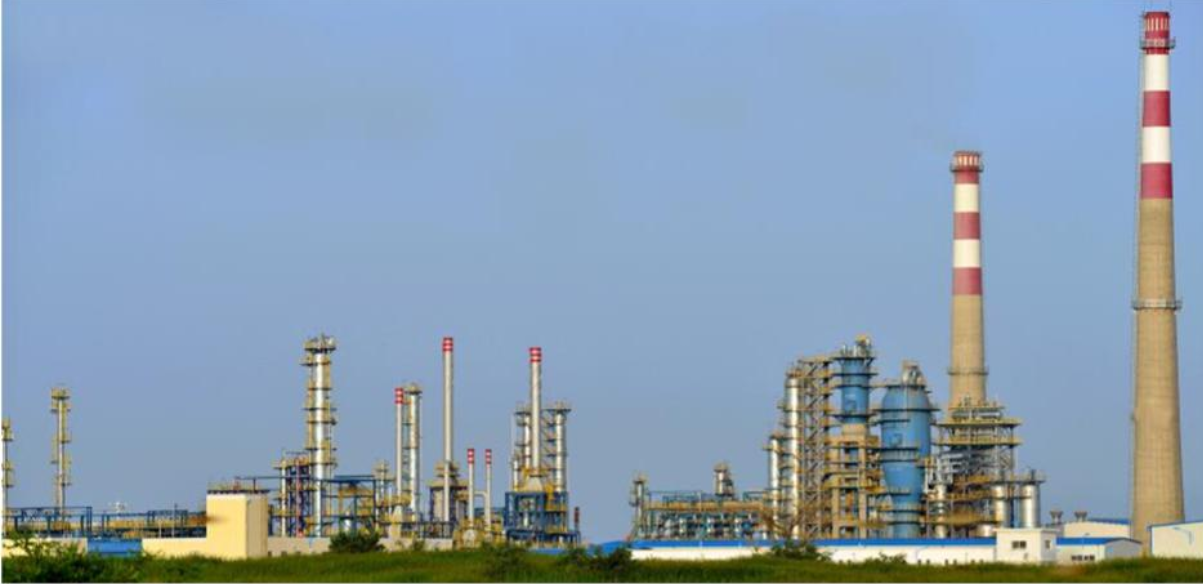
Official records from the Zinder refinery (SORAZ) reveal a troubling shift. In 2023, SORAZ produced 365.95 million liters of gasoline, exporting 37.69 million liters after domestic sales. But from 2024 onward, that surplus vanished. All 345.34 million liters produced were absorbed by the national distribution company (SONIDEP), leaving no surplus for export. By early 2025, output had plummeted to 56.88 million liters—exactly matched to domestic deliveries.
What changed? SORAZ publicly announced in late 2024 that domestic demand now absorbed all gasoline and LPG production, while diesel continued to be exported. While total oil exports haven’t ceased, the disappearance of exportable gasoline surplus signals a deeper crisis: a refinery that once powered trade across the Sahel now struggles to keep the lights on at home.
SONIDEP in crisis: debts, deficits, and dwindling reserves
The national oil marketing company, SONIDEP, stands at the center of this unfolding emergency. Despite handling hundreds of millions of liters of fuel annually, reports indicate a staggering debt exceeding 418 billion West African CFA francs—over $650 million. Analysts and industry insiders question how a company responsible for distributing fuel can accumulate such liabilities. Are collections delayed? Are receivables from distributors and regional depots unpaid? What share of sales revenue actually reaches SONIDEP’s coffers?
Worse still, whispers persist of strategic reserves being liquidated under questionable terms—possibly to cover cash-flow gaps. Some energy executives allege that emergency sales of safety stocks have weakened the refinery’s ability to plan for scheduled maintenance, threatening long-term operational stability. If true, these actions reveal a troubling pattern: treating national reserves as liquid assets rather than strategic buffers.
Algeria’s emergency fuel: solution or admission of failure?
The arrival of Algerian fuel carries symbolic weight. It’s not just about barrels—it’s about trust. Can a nation that exports crude oil and operates a refinery truly not secure its own supply? The convoy from Algiers may ease immediate shortages, but it also signals a structural breakdown in Niger’s energy infrastructure.
Transparency is now non-negotiable. What were the terms of this purchase? Were prices competitive? What long-term contracts were signed? And crucially—how will this purchase impact SONIDEP’s already strained balance sheet? Without clear answers, the convoy becomes less a lifeline and more a symptom of mismanagement.
The Nigeria effect: when smuggling dried up
One overlooked factor in Niger’s fuel crisis is the collapse of informal supply chains from Nigeria. For years, a significant portion of the domestic market was met by smuggled gasoline, cheaper due to Nigerian subsidies and transported across porous borders. But in March 2025, a SONIDEP executive admitted that daily deliveries from SORAZ had dropped to just 25 tankers—half the national requirement of 50.
Rising fuel prices in Nigeria and tightened border security ended that flow. Yet the sudden loss exposed a dangerous dependency: Niger’s legal supply chain was never robust enough to absorb the shock. Why weren’t alternative sources identified earlier? Why weren’t storage and import infrastructure scaled up proactively?
Exporting solidarity: the Mali paradox
In November 2025, Niger dispatched 82 tankers to Bamako amid a fuel blockade by armed groups. The operation, presented as regional solidarity, came with a heavy price: fourteen transporters lost their operating licenses, and nineteen drivers had their licenses revoked for refusing state-ordered convoys.This raised immediate doubts: At a time when domestic reserves were reportedly under pressure, was exporting fuel to Mali a strategic decision or a desperate move? Could Niamey simultaneously meet its own needs and fulfill external commitments? The contrast between the solemn welcome of Algerian tankers in Agadez and the punitive measures against local transporters heading to Mali reveals a disturbing inconsistency in energy policy.
When transparency becomes the missing fuel
The real scandal isn’t that Niger imports gasoline from Algeria. It’s that there are no transparent answers to where the national surplus went, why reserves are depleted, or why the refinery’s operational maintenance is at risk. Where is the promised data on stock levels, export earnings, and financial flows between SORAZ, SONIDEP, regional depots, and fuel distributors?
In October 2026, the government banned gasoline and diesel exports, prioritizing domestic supply. It also announced stock audits and tighter delivery controls. But such measures alone cannot restore confidence. Niger needs an independent audit of its entire energy chain—from production in Zinder to sales at local pumps. It needs verifiable accounts, clear commitment to strategic reserves, and a long-term plan to reduce import dependence.
Energy sovereignty: more than just pumping oil
Niger is not without resources. It has oil. It has a refinery. It has decades of experience in energy trade. Yet in 2026, its citizens face scarcity, its government resorts to imports, and its state-owned companies carry crippling debt. The question isn’t whether Algeria’s fuel is welcome—it’s whether Niamey can explain how this crisis emerged.
Producing oil is not the same as achieving energy security. Managing a refinery is not the same as governing fuel flows responsibly. And celebrating foreign tankers at the depot is not the same as building a resilient national energy system.
The time for answers is now. The time for accountability is overdue. Without them, Niger will continue to pump oil but fail to power its future.