The arrest of Niger’s former police inspector, nicknamed “The Rebel,” has sent shockwaves through West Africa. Habibou Oumarou Mamane, alongside ten others, was remanded into custody following explosive allegations aired on national television. While his claims point fingers at alleged destabilization plots involving actors linked to Benin’s intelligence services, the truth remains shrouded in uncertainty. Could this be a turning point for Niger-Benin relations?
Could Benin’s shadow be looming over Niger’s stability?
The heart of this controversy lies in a televised testimony delivered just days before Habibou Oumarou Mamane’s arrest. The former inspector alleged the existence of transnational networks designed to undermine Niger’s government, with alleged connections to Benin’s intelligence community. Among his explosive claims was the assertion that efforts were underway to locate a Beninese military officer, Lieutenant-Colonel Pascal Tigri, a figure whose whereabouts have sparked speculation.
Mamane’s statements, broadcast on Niger’s public television, have yet to be corroborated by independent evidence. While they suggest potential collaboration between exiled Nigerien actors and foreign intermediaries, the credibility of these assertions remains unproven. Could these be the ramblings of a disgruntled former official, or do they reveal a deeper, more sinister plot?
Ange Chekaraou denies any involvement
One name frequently linked to the allegations is Ange Chekaraou, a figure accused of facilitating connections between the alleged plotters and Benin’s intelligence services. However, Chekaraou has vehemently denied any participation in the activities described by Mamane. His denial adds a layer of complexity to the narrative, leaving observers to question the validity of the claims.
In the absence of concrete evidence, it remains premature to assign guilt or draw definitive conclusions. The presumption of innocence must prevail for all individuals involved, including the eleven currently held in custody.
The judicial domino effect: eleven arrests, many unanswered questions
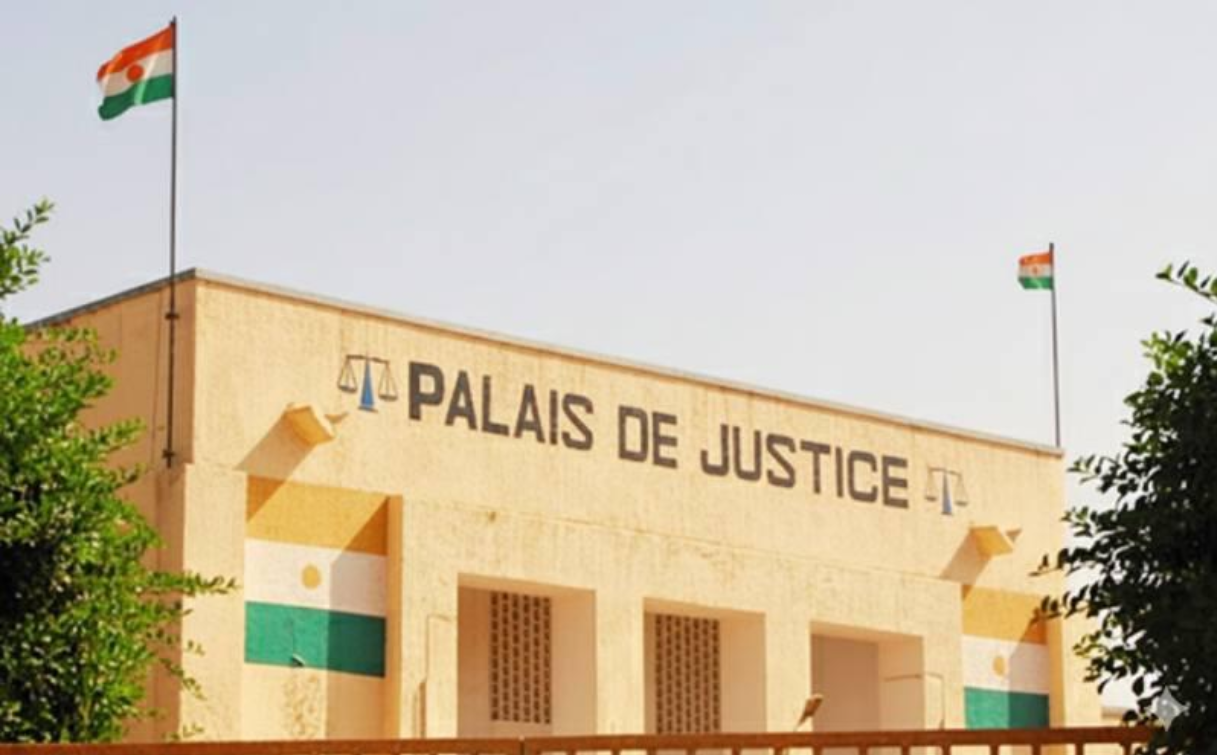
The remand of Habibou Oumarou Mamane and ten others marks a significant juncture in this unfolding drama. This legal maneuver does not equate to a verdict of guilt but instead signals the beginning of a thorough investigation. Key questions linger: what specific charges have been filed? Are Mamane’s statements backed by tangible proof? Are there verifiable links between the accused and the alleged destabilization networks?
The answers to these questions will shape the trajectory of this case. Until then, the judicial process remains the only path toward uncovering the truth. For now, the world watches as Niger’s courts navigate this delicate terrain.
From television screens to diplomatic strain
The fallout from this case extends far beyond courtrooms. The tension between Niamey and Cotonou has simmered for months, fueled by mutual distrust and recurring allegations of cross-border interference. Mamane’s public accusations have amplified these concerns, casting a spotlight on the fragile diplomatic balance in West Africa.
While the judicial system grinds forward, the diplomatic repercussions are already being felt. How will Benin respond to these allegations? Will this episode deepen the rift between the two nations, or can it serve as a catalyst for dialogue and reconciliation?
What happens next? The path to clarity
For now, Niger’s judicial system holds the key to unraveling this mystery. The upcoming days and weeks will reveal whether Mamane’s claims have merit or if they stem from personal grievances or misinformation. One thing is certain: the pursuit of truth must prioritize fairness, transparency, and respect for due process.
The eyes of West Africa are fixed on Niamey. Will justice prevail, or will this case further erode the trust between Niger and its neighbors? Only time will tell.