The question looms large over diplomatic circles in West Africa: what does the absence of Niger’s leadership mean for the future of the Sahel alliance?
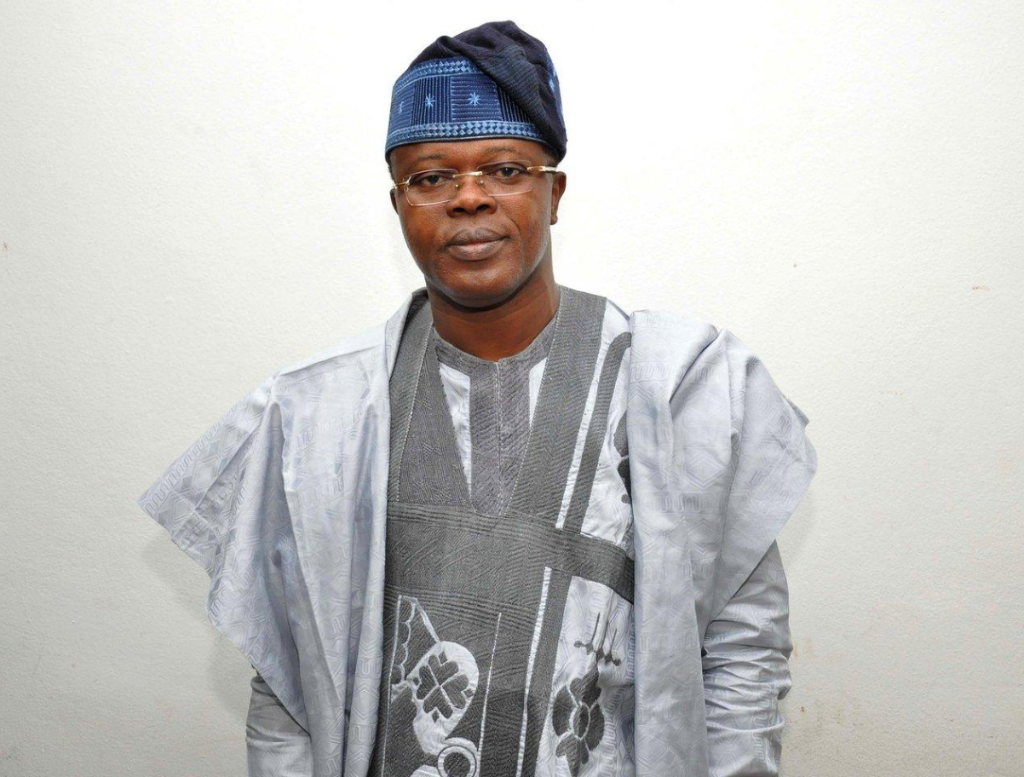
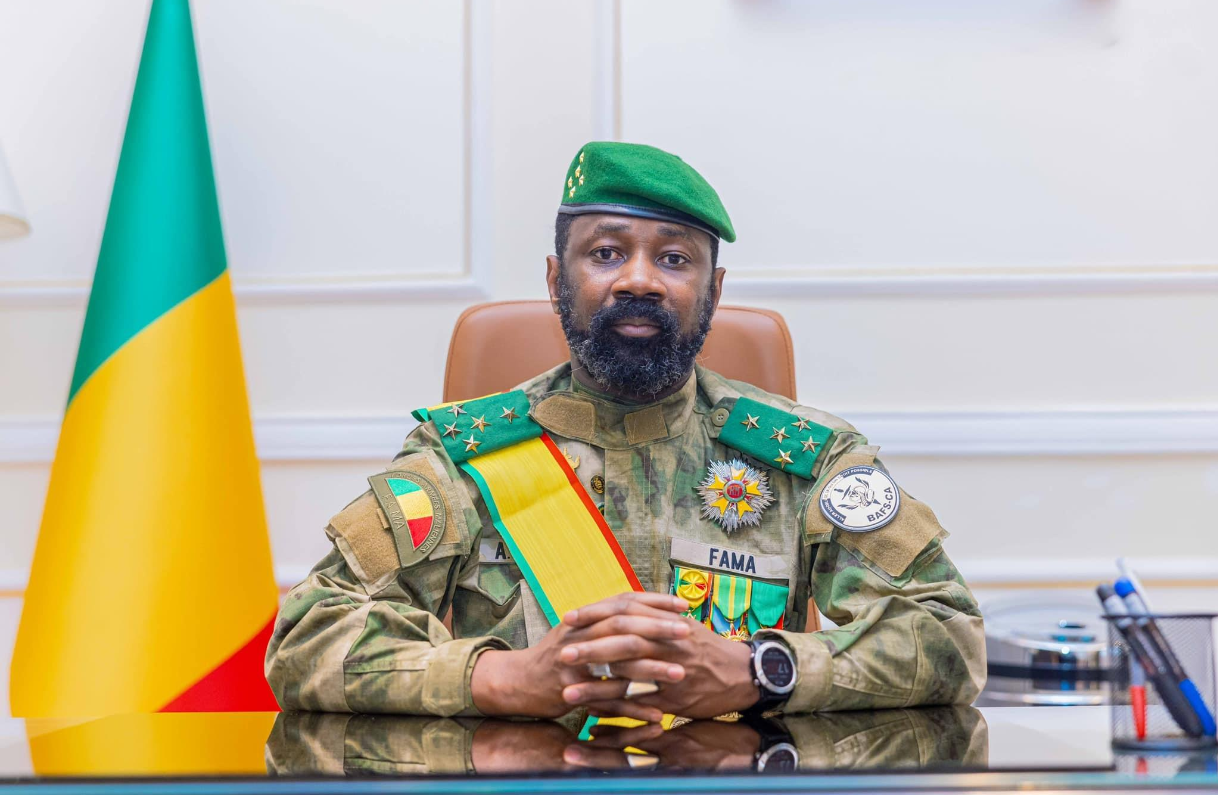
On November 5, 2026, General Assimi Goïta, Mali’s president, arrived in Ouagadougou for a high-profile working visit with his Burkinabè counterpart, Captain Ibrahim Traoré. While the meeting underscores the strong bilateral ties between Bamako and Ouagadougou, the conspicuous absence of Niger’s head of state, Abdourahamane Tiani, has raised eyebrows—and sparked debate about the cohesion of the Alliance of Sahel States (AES).
Diplomatic signals: a high-stakes meeting without Niamey
The visit, officially described as a working and friendship trip, is being closely watched for what it reveals about the alliance’s internal dynamics. The AES, originally formed as a pact of mutual defense and economic cooperation, now operates under a confederation framework established in mid-2024. Yet, as two of its three members meet at the presidential level, the third—Niger—remains notably absent from the agenda.
Analysts are keen to distinguish between bilateral cooperation and the broader confederation objectives. “This is not a failure of the AES,” noted one observer. “But it does highlight how coordination at the highest level can be uneven when national priorities take center stage.”
Niger still in the fold—officially
The absence of President Tiani from Ouagadougou does not signal a breakdown in communication. Just weeks earlier, on October 16, 2026, foreign ministers from all three countries convened in the Burkinabè capital to advance a unified stance on regional security and economic integration. The meeting aimed to align positions on joint counterterrorism efforts, border security, and resource-sharing initiatives.
Moreover, the three nations continue to emphasize solidarity through joint military operations, intelligence sharing, and infrastructure projects. Yet, for alliances built on trust, symbolism matters. “A presidential-level meeting is more than just a policy discussion,” explained a regional diplomat. “It’s a statement of intent. And when one member is missing, the message can be misread—intentionally or otherwise.”
Can the AES survive without consensus at the top?
The core challenge facing the alliance is not the absence of Niger at this particular summit, but the broader question of sustained high-level coordination. Security threats in the Sahel remain acute, with armed groups exploiting porous borders and weak governance in remote areas. Coordinated responses across Mali, Burkina Faso, and Niger are essential to curbing the violence that has displaced millions.
Economically, the AES seeks to reduce dependence on traditional partners by fostering intra-regional trade, energy integration, and agricultural collaboration. However, such initiatives require consistent signing and implementation by all members. A lack of alignment at the presidential level risks slowing progress—even when technical teams continue to work behind the scenes.
“The AES cannot be run by committee alone,” said a political analyst based in Bamako. “At some point, the presidents must meet, agree, and lead. Bilateral summits are important, but they cannot replace trilateral decision-making.”
What comes next for the Sahel confederation?
As Goïta and Traoré wrap up their discussions in Ouagadougou, the international community and regional observers will be watching for two key outcomes: whether the meeting paves the way for a future trilateral summit, and whether the conclusions are shared with Niamey before being implemented.
For now, the AES remains intact—but its future may depend less on grand declarations and more on the ability of its leaders to recommit to a shared vision. Without consistent engagement from all three capitals, even the strongest alliances can lose momentum.
Key takeaways from the Ouagadougou visit
- The AES was formed to strengthen Sahelian sovereignty and cooperation amid rising instability.
- Bilateral meetings between Mali and Burkina Faso are strengthening ties, but cannot replace trilateral coordination.
- Regional security and economic integration depend on unified action by all three member states.
- The next major test for the alliance will be whether this visit leads to a full AES summit involving Niger.