Cross-border environmental damage: a shared burden across west Africa
As burkinabè miners operate beyond their nation’s borders, the environmental costs of unregulated gold extraction are mounting in neighbouring countries. These activities—marked by soil erosion, water contamination, and deforestation leave local populations to grapple with irreversible damage to their lands and livelihoods. While the allure of quick profits drives this clandestine trade, the question lingers: what responsibilities do Burkina Faso and its citizens bear for the environmental consequences of their actions abroad?
From individual acts to regional environmental strain
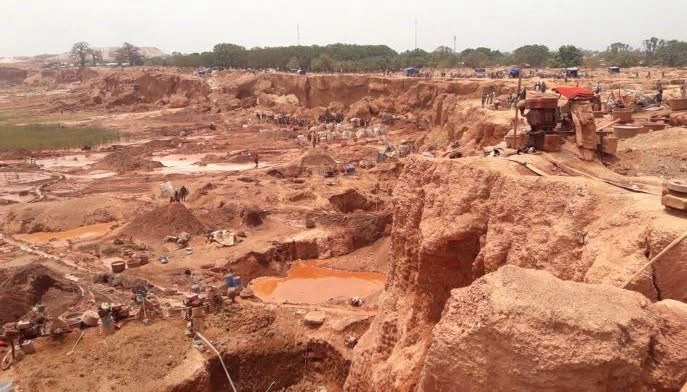
The environmental toll of illegal gold mining extends far beyond the immediate sites of extraction. Rivers choked with mercury-laden sediment, once-fertile farmlands reduced to barren pits, and ecosystems disrupted by relentless deforestation are stark reminders of the practice’s devastating effects. For communities already vulnerable to climate variability, these degradations exacerbate food insecurity and displace traditional ways of life.
Yet, the impact does not remain confined to the host nations. Burkina Faso’s own environment faces similar threats as the demand for gold fuels risky local mining practices. This paradox raises a critical concern: how can a nation demand accountability from others when its own lack of regulation contributes to the same cycle of destruction?
Accountability without borders: the role of governance
The expulsion of burkinabè miners caught operating illegally in neighbouring states often sparks diplomatic friction. While governments have a duty to protect their citizens, this responsibility should not overshadow the rights of affected countries to uphold their environmental safeguards. The recurring expulsions highlight a deeper issue: the absence of coordinated policies to address illegal mining at a regional level.
For Burkina Faso, the challenge lies in balancing diplomatic pressure with proactive measures at home. Strengthening domestic enforcement against illegal mining operations not only protects local ecosystems but also signals a commitment to regional solidarity.
What happens when the bill comes due in Burkina Faso?
The hypothetical scenario of illegal mining infiltrating Burkina Faso’s own lands serves as a cautionary tale. If local communities were to face the same environmental degradation currently endured by their neighbours, public outcry would likely be swift and uncompromising. The irony is palpable: the same practices Burkina Faso’s migrants engage in abroad could one day threaten its own people.
This dual reality underscores a fundamental truth: environmental protection cannot be conditional. Whether the damage occurs in Bénin, Côte d’Ivoire, or within Burkina Faso’s borders, the principles of sustainability and respect for natural resources must prevail.
The path forward: enforcement, education, and regional unity
Addressing this crisis requires a multi-faceted approach:
Strict enforcement: Cracking down on illegal mining operations both domestically and abroad, ensuring that perpetrators face consequences proportionate to their environmental impact.
Public awareness: Educating local communities and miners about the long-term costs of unregulated extraction, both ecologically and economically.
Cross-border cooperation: Establishing joint task forces with neighbouring nations to monitor and dismantle illegal mining networks before they inflict further damage.
Economic alternatives: Investing in sustainable livelihoods for miners, such as regulated artisanal mining programs or diversification into other sectors.
Ultimately, Burkina Faso cannot afford to turn a blind eye to the environmental fallout of its citizens’ actions abroad. To demand justice for its people while ignoring the harm inflicted on others is a double standard that undermines regional trust and environmental integrity. The time to act is now before the consequences catch up with the nation itself.
Lessons for a sustainable future
For Burkina Faso, the choice is clear: either confront the environmental consequences of illegal gold mining head-on or risk repeating the same mistakes that have already devastated its neighbours. The protection of shared ecosystems must take precedence over short-term profits, and solidarity among west African nations must extend beyond rhetoric to tangible action. The question is not whether Burkina Faso can afford to protect its environment it is whether it can afford not to.
By Daniel Mbami — Journalist