What the 2026 midterms mean for America’s weakened global influence
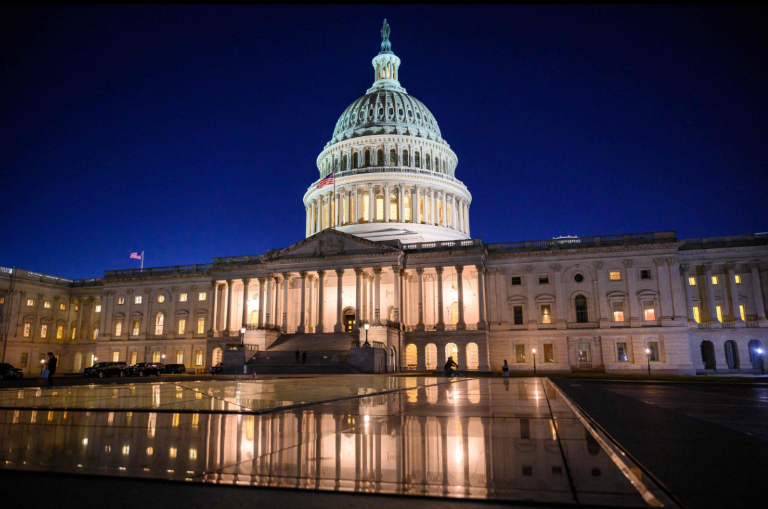
The sweeping Democratic victory in both chambers of Congress on November 3rd represents a landmark setback for Donald Trump, leaving his administration politically exposed just two years into his second term. While the president retains executive authority over foreign policy, the new congressional reality threatens to stall key initiatives on multiple global fronts—from Tehran to Kiev and Brussels.
Why congressional control matters in Trump’s second term
For the first time since his return to the White House, Trump no longer commands a compliant legislature. Democrats now hold the purse strings, the power to launch congressional investigations, and the ability to block high-level diplomatic appointments. This structural shift strips the executive of much of its former legislative insulation, setting the stage for a prolonged institutional standoff.
Despite these constraints, Trump still holds decisive cards: commander-in-chief powers, veto authority, and sole control over military deployments. The result is a delicate balance—one where his foreign policy ambitions could collide with an increasingly assertive Congress.
Iran: Can Democrats curtail Trump’s military campaign?
The February 2026 military intervention in Iran, launched without prior congressional approval, has stirred public outrage and fueled Democratic demands for tighter oversight. While lawmakers cannot unilaterally halt an ongoing operation, they can slash military funding, demand transparency, and exert political pressure to rein in escalation.
The risk? A fractured U.S. strategy that emboldens adversaries to exploit perceived hesitation. Allies, too, may hesitate to align with Washington if they sense indecision at the highest levels.
Ukraine and Europe: Will Democrats restore transatlantic trust?
Europeans greeted the midterm results with cautious optimism, seeing an opportunity to reset frayed transatlantic relations. A Democratic-led Congress could push for renewed commitments to Ukraine, stronger NATO cohesion, and more predictable U.S. engagement in multilateral institutions.
Yet the White House remains the ultimate arbiter of foreign policy. Without presidential buy-in, even the most vocal congressional allies may struggle to deliver meaningful change. The outcome hinges on whether Democrats can bridge the gap between Capitol Hill and the Oval Office.
Trade wars: Can Congress rein in Trump’s tariff policies?
Tariffs imposed on European goods and beyond have strained global supply chains and sparked retaliatory measures. Democrats may seek to claw back some control by subjecting trade decisions to stricter parliamentary scrutiny, potentially easing tensions with longstanding allies.
But executive prerogatives still dominate trade policy. A divided government could drag out negotiations, leaving businesses and diplomats in limbo.
A fractured superpower: Can America stay united abroad?
The midterms reveal a nation deeply divided—not just politically, but in its global ambitions. As Trump navigates a hostile Congress, allies question whether Washington can still act decisively on the world stage. Adversaries, meanwhile, may probe for vulnerabilities in its policymaking.
By 2028, the stakes couldn’t be higher: Will the U.S. maintain its role as a stabilizing force, or will internal discord strip it of global leadership? One thing is certain—the 2026 midterms have reshaped the battlefield for America’s future in world affairs.