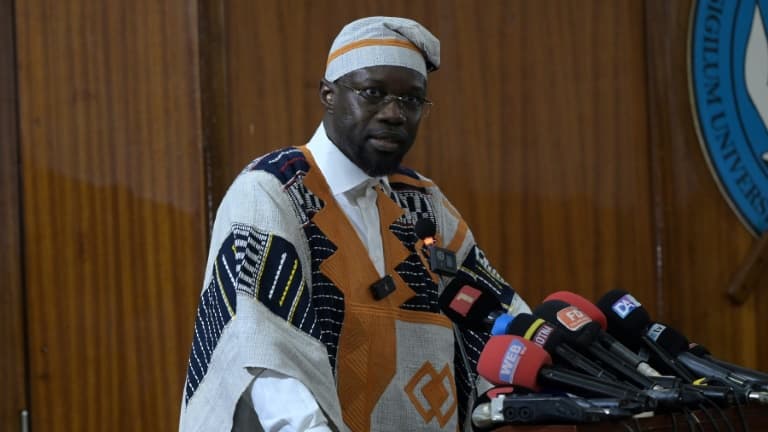
The Senegalese government has intensified its stance against same-sex relations, with Prime Minister Ousmane Sonko delivering a forceful address to lawmakers this week, denouncing what he describes as Western coercion to normalize homosexuality across the globe.
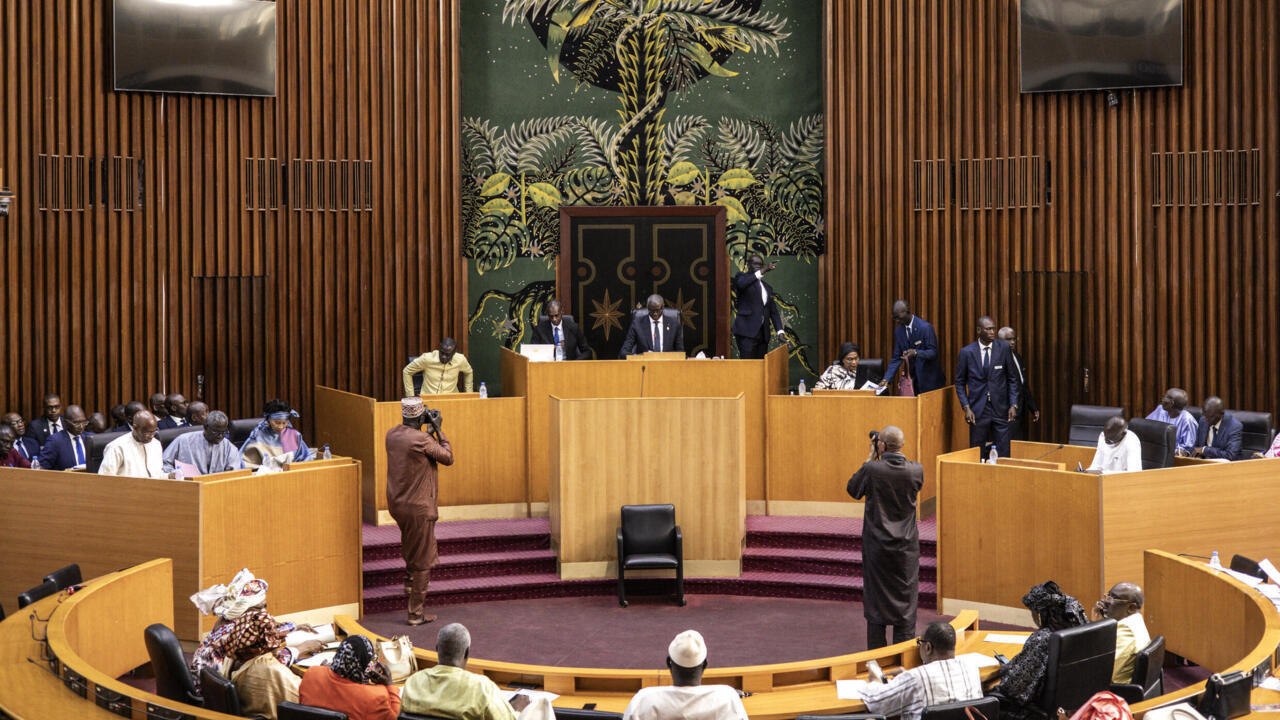
Speaking before the National Assembly in Dakar, Sonko framed the issue as a cultural imposition by foreign powers, arguing that Senegal would not yield to external demands. His remarks follow the passage of a controversial new law in early March that doubles penalties for homosexual acts, increasing potential prison sentences from five to ten years.
Legal changes spark debate amid rising tensions
The legislation, signed into law by President Bassirou Diomaye Faye on March 31, comes as the country faces growing social and political backlash over LGBTQ+ rights. Reports indicate a surge in arrests related to alleged same-sex activity in recent months, reflecting a broader climate of homophobia in Senegal.
Government rules out moratorium on enforcement
Sonko dismissed calls for a temporary suspension of the law, responding to an open letter published in mid-May by a group of thirty African-origin intellectuals in a French newspaper. The signatories warned of a “climate of fear and violence” gripping the nation since the bill’s adoption.
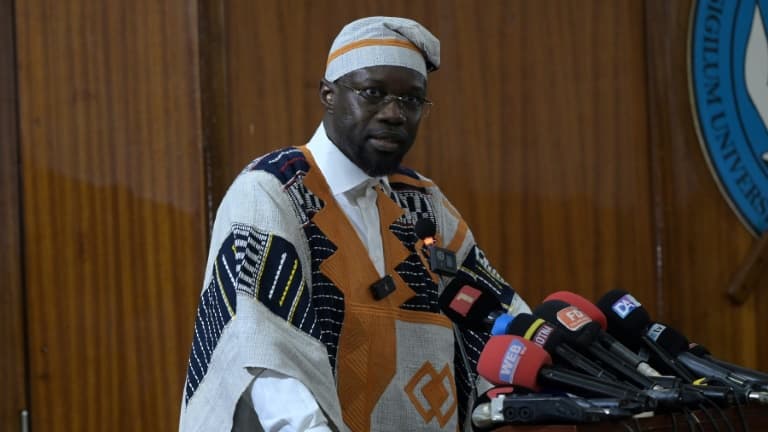
“There will be no moratorium,” Sonko declared. “A segment of our elite is deeply conflicted.” He emphasized that Senegal would not accept moral lectures from Western nations, particularly France, which has faced criticism for its own LGBTQ+ policies. “They can manage their own affairs, but we will not take lessons from them—ever.”
Judge’s role takes center stage
The Prime Minister underscored the judiciary’s duty to enforce the law with absolute impartiality, asserting that the primary goal of the legislation is to curb the “proliferation of homosexuality” in Senegal. “If the law needs to be strengthened further, it will be,” he warned, framing the issue as a matter of national sovereignty.
The government’s uncompromising position aligns with long-standing political promises from the ruling camp, resonating strongly with conservative and religious segments of the population. While Western governments and international organizations have condemned the law, Sonko noted that no Asian, African, or Arab nation has joined the criticism—a point he used to highlight global support for Senegal’s stance.