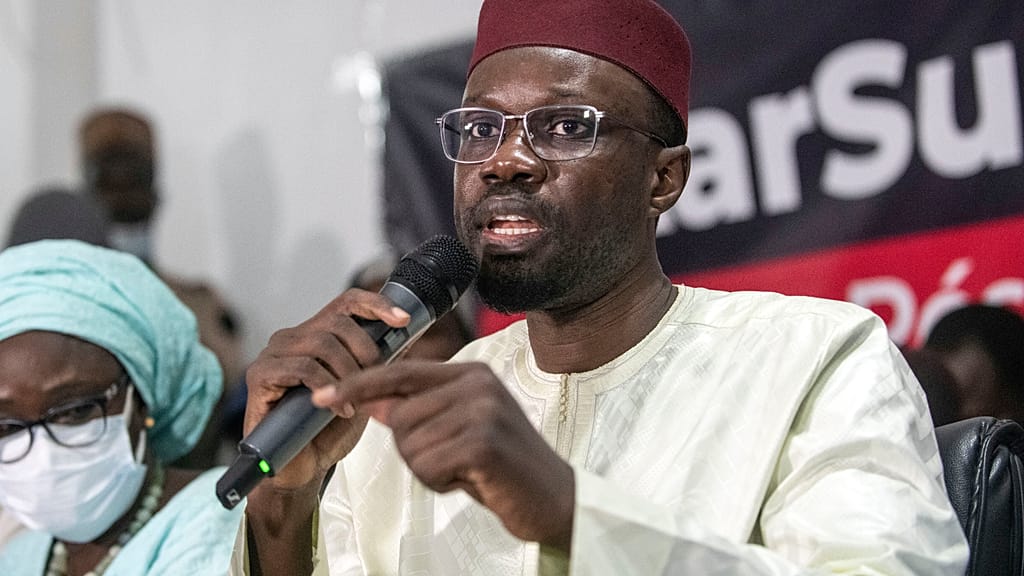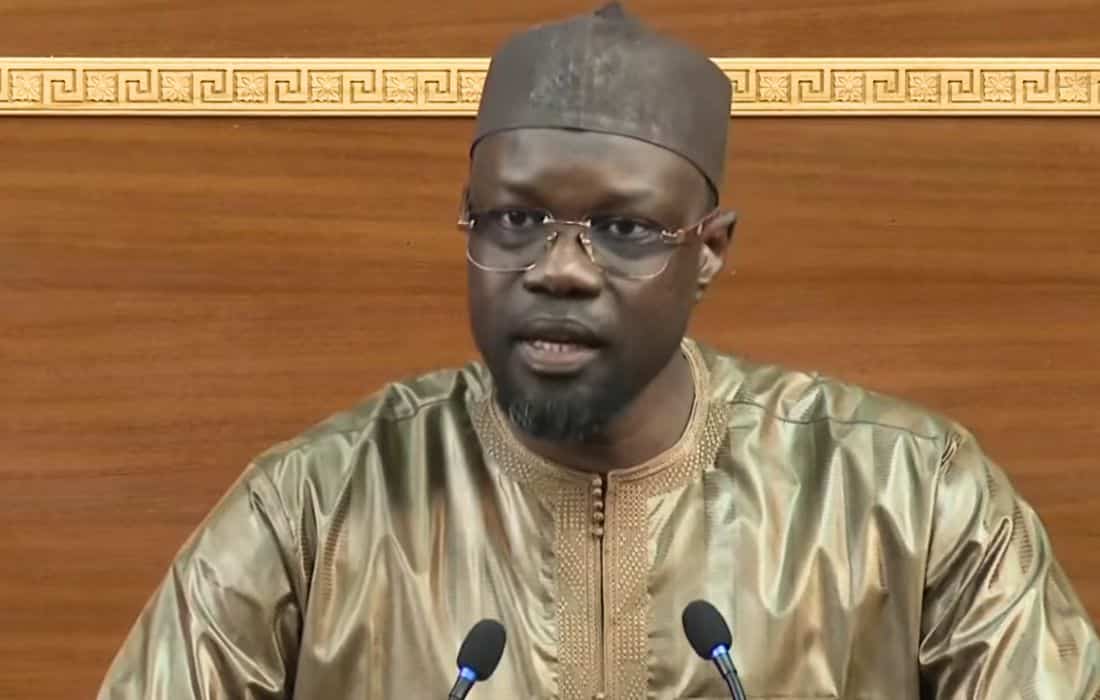
The Senegalese Prime Minister, Ousmane Sonko, recently challenged what he termed Western coercion regarding LGBT rights during a speech to the National Assembly. He framed the issue as a ‘tyranny of the West’ attempting to ‘force homosexuality’ on Senegal, igniting a broader debate over national sovereignty versus international human rights norms. This comes as Senegal tightens its legal stance on same-sex relationships.
The government’s rhetoric reflects a growing pattern of resistance to perceived Western pressures, where LGBT rights have become a flashpoint in political and geopolitical confrontations.
In early 2026, Senegal amended its penal code to impose even harsher penalties for same-sex relations, with prison sentences now ranging from five to ten years. This legal shift occurs amid mounting social stigma, reports of arrests, and heightened visibility of the issue in public discourse.
Why the LGBT rights debate in Senegal feels so polarizing
Public reactions to LGBT rights in Senegal are deeply divided, especially online. Common refrains include ‘We won’t let outsiders dictate our laws,’ ‘These are our values,’ and ‘Mind your own business.’ At its core, this clash pits national identity against universal human rights, with legal restrictions often justified under the banner of culture, tradition, or national sovereignty.
This framing, however, diverts attention from the lived realities of LGBT individuals in Senegal, shifting focus away from their safety, dignity, and fundamental rights.
Senegal’s strict anti-LGBT laws and their human toll
Same-sex relations have long been criminalized under Senegal’s penal code. The 2026 amendments have only intensified the severity, with sentences now reaching up to a decade behind bars.
Beyond the courtroom, the consequences are severe: widespread social stigma, arbitrary arrests, and violent attacks against LGBT individuals. The debate, therefore, extends far beyond legal technicalities—it touches on survival, security, and the basic right to exist without fear.
Why LGBT rights in Senegal are a global concern
Organizations advocating for LGBT rights in Senegal often face accusations of foreign interference. Yet, the principle of universal human rights is not an external imposition—it is a shared foundation of international law.
When individuals are persecuted for their sexual orientation, it transcends national borders. Their suffering becomes a global issue because human dignity, safety, and freedom know no boundaries.
Human rights: a question of global commitment, not outside pressure
Contrary to popular belief, human rights are not an alien concept imposed by the West. Senegal itself enshrined the Universal Declaration of Human Rights in its 2001 Constitution, affirming its commitment to equality and non-discrimination.
Demanding respect for these principles is not an act of interference—it is a reminder of obligations already undertaken. In the case of LGBT rights in Africa, this distinction is critical: the focus is not on imposing a foreign model, but on protecting individuals from real and immediate harm.
LGBT identities are not a foreign import
A persistent myth claims that LGBT identities are un-African or imported from abroad. This could not be further from the truth.
LGBT individuals exist in every society, including Senegal. They are born, live, and work there. Their presence is not the result of cultural influence—it is a universal human reality.
Historical records across West Africa, including Senegal, document diverse expressions of gender and sexuality. For example, the goor-jigeen—a traditional social role—challenges the notion that non-conforming identities are a modern or foreign phenomenon. These realities show that discussions about LGBT rights cannot be reduced to recent or external influences.
The deeper tensions shaping Senegal’s LGBT rights debate
This debate is not isolated—it reflects broader tensions: colonial legacies, domestic political struggles, social dynamics, and outright hostility toward LGBT individuals.
In public discourse, some voices frame LGBT rights as a ‘threat’ or ‘cancer’, dehumanizing those affected and reducing complex identities to a political problem. Such rhetoric does not merely reflect disagreement—it enables violence and exclusion.
Defending rights without imposing values
Advocacy for LGBT rights is not about forcing a Western lifestyle on Senegal. It is about a simple, universal principle: no one should be punished, harassed, or endangered because of who they are.
Behind the rhetoric of sovereignty and cultural relativism lie real people facing real danger. That reality cannot be ignored.
Global solidarity in action
Human rights violations are not confined to Senegal. They occur worldwide, from Russia to China and beyond. Organizations respond based on local context, available resources, and urgent needs on the ground.
Supporting these efforts does not mean ranking suffering—it means responding to cries for help where they are loudest.
How to make a difference today
Concrete action is possible. Initiatives exist to provide legal aid, emergency support, and shelter to LGBT individuals in Senegal who face persecution. Supporting these programs turns concern into tangible relief for those living under threat.