
In a bold move at the National Assembly, Prime Minister Ousmane Sonko reignited discussions on the oversight of political funds, emphasizing the need for greater transparency in public expenditure. His stance introduces a fresh perspective in the ongoing debate about how state resources should be managed and accounted for.
During a heated session of parliamentary questions, Sonko reiterated his commitment to reforming the system, stressing that this approach aligns with the long-standing principles of his party, Pastef. His argument is clear: while political funds serve a purpose, their management must be subject to rigorous scrutiny to prevent misuse.
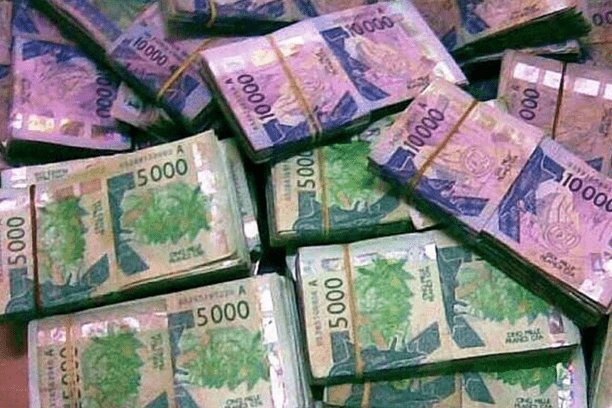
« Every franc from the Senegalese people must be accounted for and spent wisely, » Sonko declared, underscoring the urgency of implementing stronger control mechanisms. He also revealed that his own office at the Primature holds political funds totaling nearly 1.77 billion CFA francs—a disclosure intended to demonstrate transparency rather than target any individual.
However, Sonko’s push for reform is not without its challenges. He acknowledged a divergence of views with President Bassirou Diomaye Faye, who has defended the continuation of these funds by citing their critical role in national security, intelligence operations, and diplomatic engagements. The president’s position highlights the delicate balance between transparency and the operational needs of the state.
Drawing on international examples, Sonko pointed to countries like France, where specialized commissions oversee the use of special funds. His reference to such models suggests that Senegal could adopt similar institutional safeguards to ensure accountability. This proposal adds a new layer to the conversation, framing it within a broader context of governance reform.
The Prime Minister also addressed the parliamentary initiative led by Deputy Guy Marius Sagna, which aims to address the same issue. Sonko cautioned that such a move could undermine the government’s political standing, signaling the complexities involved in navigating this debate while maintaining public trust.
You may also like
Gabon : la participation citoyenne au cœur de la Ve République
Is Chad truly experiencing a political easing of tensions?
Accord FMI-Sénégal : Thierno Bocoum exige la transparence sur les conditionnalités
Ousmane Sonko demands full transparency on Senegal’s new FMI agreement
Senegal’s political crossroads: the faye-sonko institutional challenge