The Paradox of Financial Sovereignty Claims in Burkina Faso
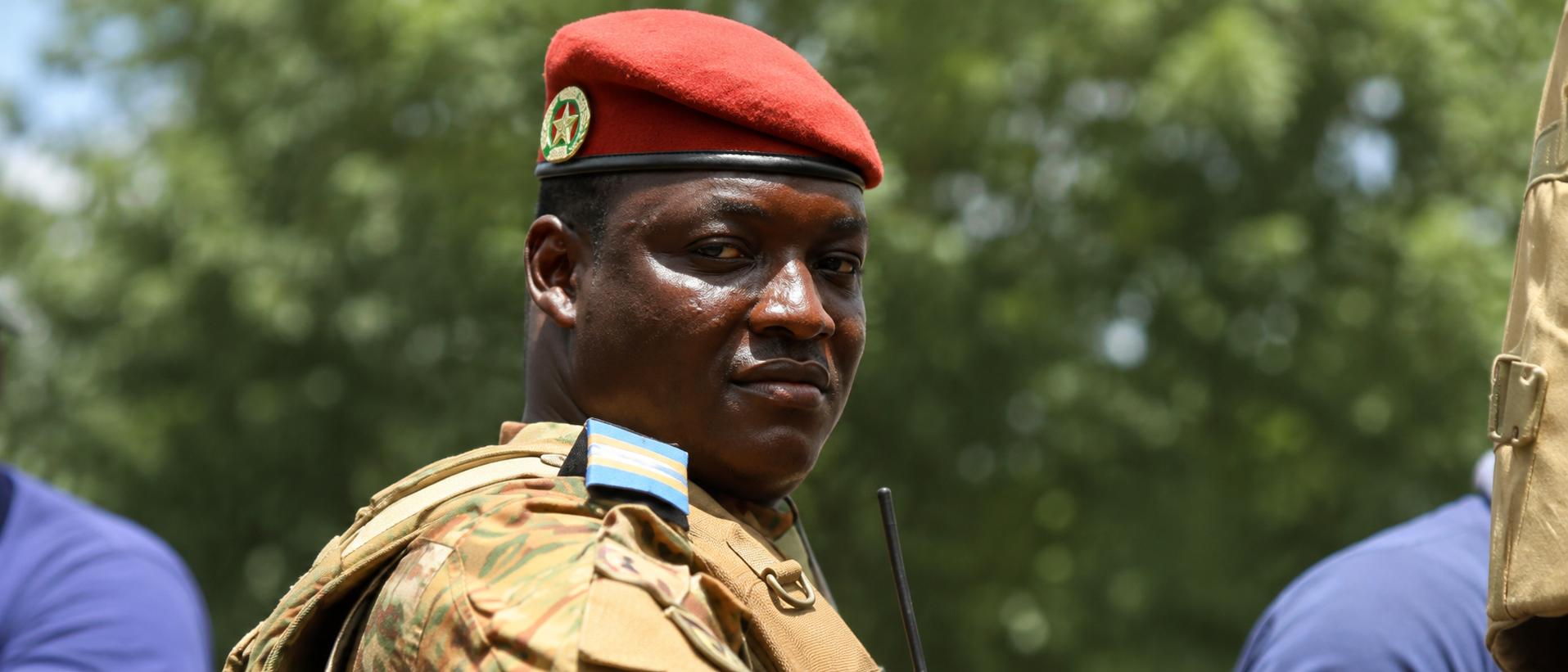
The government of Burkina Faso, under the leadership of Captain Ibrahim Traoré, has consistently promoted a narrative of financial independence from international partners. Yet, recent developments suggest a stark contrast between rhetoric and reality. While Ouagadougou asserts its ability to fund national development through domestic resources, the Burkina Faso’s reliance on external financing mechanisms particularly the International Monetary Fund (IMF) remains undeniable.
IMF’s conditional financial commitment in 2026
On November 4, 2026, the IMF announced a preliminary agreement with Burkina Faso for a potential financing package totaling $87.67 million (approximately 49.6 billion West African CFA francs). This funding stems from two ongoing programs: the Extended Credit Facility (ECF) and the Resilience and Sustainability Facility (RSF). The disbursement, however, hinges on the approval of the IMF’s executive board, expected in mid-January 2027.
Of the total amount, $65.38 million is allocated to the ECF, while $22.29 million is designated for the RSF. Although these funds have not yet been disbursed, they underscore Burkina Faso’s continued engagement with international financial institutions.
Gold revenues and the limits of domestic financing
Burkina Faso’s abundant gold reserves have been central to its claims of financial independence. While rising gold prices and expanded mining production have boosted state revenues, the IMF has cautioned that these alone cannot meet the country’s funding needs.
Yet, the real challenge lies in transparency: How effectively are gold revenues being converted into public investments? How much of this income is allocated to education, healthcare, and infrastructure? Without clear financial reporting, Burkina Faso’s rhetoric of self-sufficiency risks sounding hollow to its citizens.
IMF’s demands for fiscal discipline and transparency
As part of its June 2026 assessment, the IMF emphasized critical priorities for Burkina Faso: strengthening domestic revenue mobilization, improving public financial management, enhancing governance, and safeguarding social spending. Additionally, the institution called for prudent debt management and greater clarity in public spending.
These recommendations raise a pressing question: If Burkina Faso truly aims for financial sovereignty, why does it continue to seek external financing while downplaying the conditions imposed by lenders?
The dilemma of public trust and governance
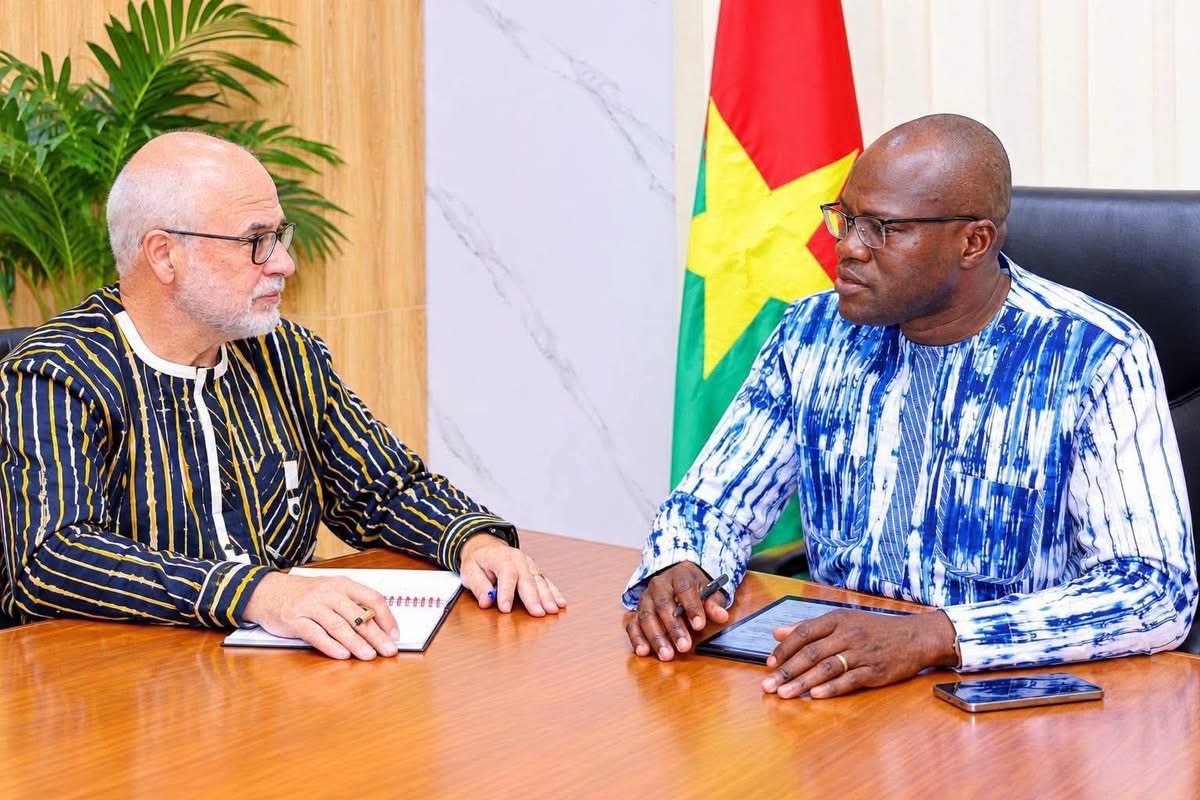
Citizens in Burkina Faso are increasingly questioning the disconnect between official rhetoric and economic realities. While political leaders champion financial independence, the public expects accountability not just assurances. The IMF’s involvement, though not inherently unjustified, demands that authorities explain why they rely on external financing despite their stated goals.
The crux of the issue is not the $50 billion potential IMF funding, but the lack of alignment between Burkina Faso’s financial ambitions and its actual capabilities. True sovereignty means more than rejecting international assistance; it requires a transparent, realistic assessment of a nation’s financial health and the responsible use of its resources.
Conclusion: A call for honesty over rhetoric
Burkina Faso stands at a crossroads where the gap between declarations and economic facts must be addressed. Instead of fostering skepticism through contradictory messaging, the government should prioritize clarity explaining the true state of public finances, the conditions of IMF agreements, and the tangible benefits of financial reforms. Only then can Burkina Faso bridge the divide between its sovereign aspirations and the practical realities of global finance.
By Daniel Mbami — Journalist