Ouagadougou’s diplomatic pivot back to Brussels has thrown a stark spotlight on a pressing dilemma: how can the junta sustain its anti-western rhetoric when financial realities demand engagement with Europe?
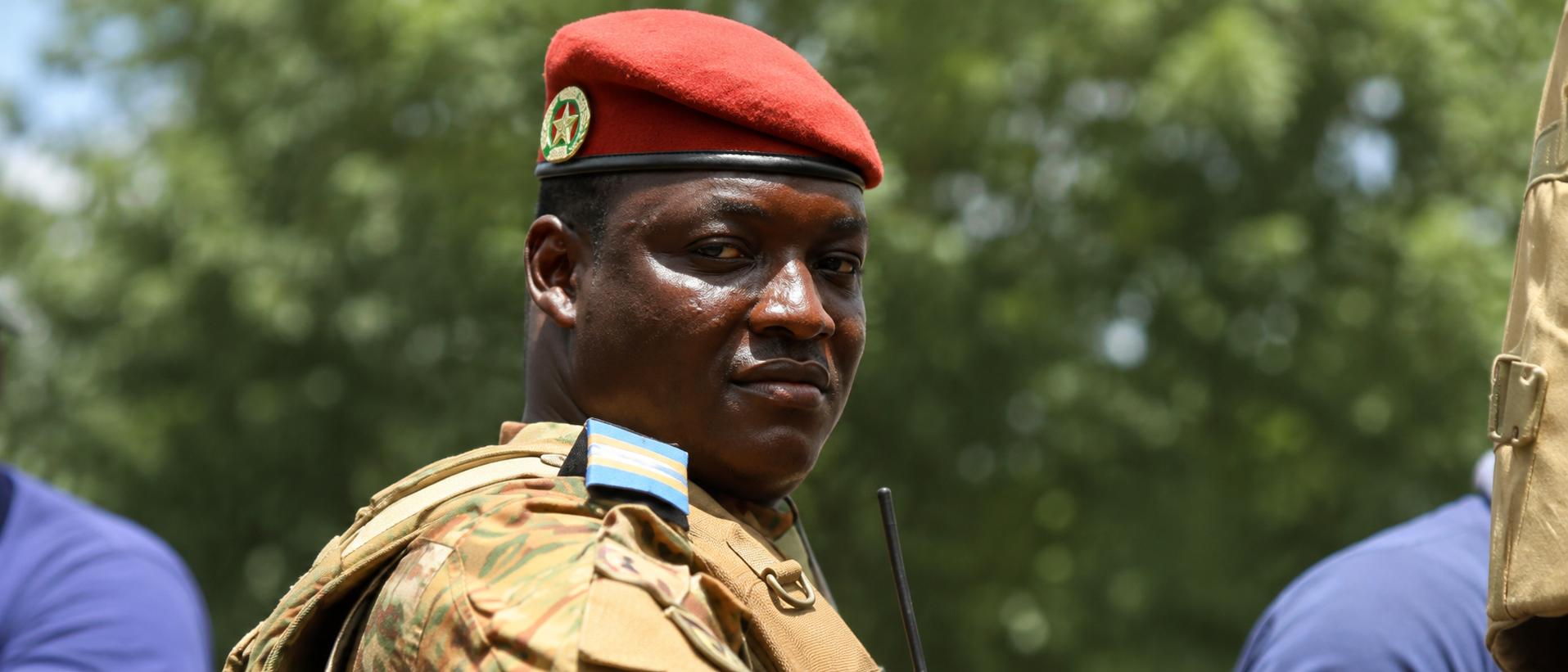
The country’s leadership, led by Captain Ibrahim Traoré, has long framed its political narrative around rejecting Western partnerships in favor of closer ties with Russia. Yet recent high-level meetings with European officials suggest that economic necessity may be quietly reshaping its strategy.
From Moscow’s promises to Brussels’ euros: a high-stakes financial balancing act
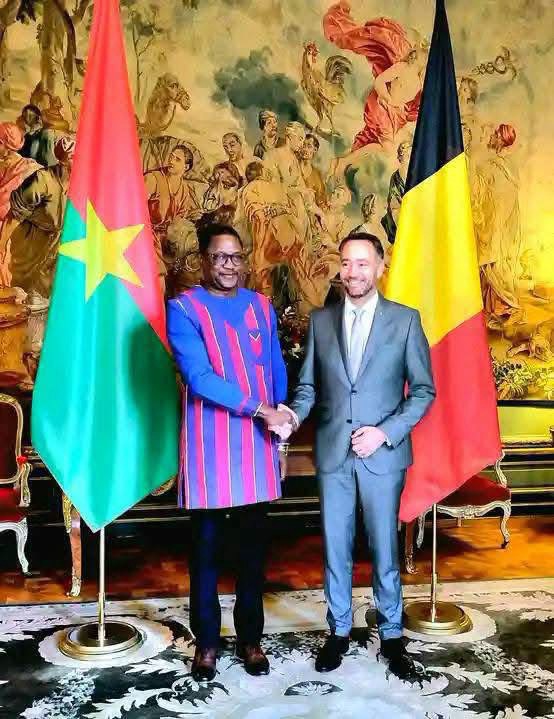
In early November 2026, Burkina Faso’s foreign minister, Karamoko Jean Marie Traoré, traveled to Brussels, where he held talks with EU High Representative Kaja Kallas and Belgium’s Deputy Prime Minister and Foreign Minister, Maxime Prévot. The visit followed closely behind the Russia-Africa Economic and Humanitarian Forum in Moscow, where Ouagadougou had sought fresh commitments from its new strategic partner.
At the Moscow event, a memorandum of cooperation was signed between the Bank of the Economic Community of West African States (AES) and Russia’s VEB.RF a symbolic step, but one that stops short of delivering immediate financial relief. While cooperation frameworks lay the groundwork for future investments, they do not meet the country’s pressing fiscal needs.
For Burkina Faso, the question is no longer ideological. With a 2026 budget projecting revenues of 3.43 trillion West African CFA francs against expenditures of 3.92 trillion a projected deficit of nearly 500 billion financing gaps must be filled, regardless of their source.
Why Ouagadougou still depends on Europe despite anti-western rhetoric
The European Union and Belgium have not abandoned Burkina Faso. Just days after the Moscow forum, Belgium reaffirmed a €40 million financial commitment through its development agency, Enabel, for the post-2027 period. This is more than just diplomatic routine it signals concrete support at a time when domestic pressures demand urgent solutions.
The minister’s agenda in Brussels also included meetings with EU commissioners and operational cooperation bodies, including Enabel and Bio Invest. These engagements underscore a reality the junta cannot ignore: Europe remains a vital source of funding, expertise, and development aid.
Can Burkina Faso truly afford to turn its back on such resources, even as it pursues alternative alliances?
The contradiction between political speech and economic necessity
No nation can build stability or sovereignty on slogans alone. Burkina Faso faces a stark contradiction: a leadership that publicly denounces Western influence while quietly negotiating vital financial support from Brussels.
This dissonance raises critical questions. If Europe is truly an unwanted partner, why are funds so eagerly sought? And if Russia was meant to replace it, where are the tangible financial contributions to match the political promises made in Moscow?
The junta’s challenge is not to sever ties with Europe or the West but to reconcile its public messaging with the practical realities of governing a nation in financial distress. Development is not achieved through anti-Western posturing. It is built on access to capital, investments, and partnerships that deliver measurable outcomes for the people.
What has Russia delivered and what happens next?
Moscow’s appeal lies in its promise of security and economic alternatives. Yet after years of diplomatic realignment, Ouagadougou has yet to present clear evidence of substantial Russian funding flowing into the national budget. High-level agreements do not fill coffers or pay salaries.
Brussels, by contrast, has consistently delivered structured financing and development programs. The return to Belgium reflects an acknowledgment that economic survival depends not on ideological purity, but on pragmatic partnerships.
As the junta reassesses its international alliances, one thing is certain: the Burkinabè people will judge success not by the volume of anti-Western speeches, but by the tangible resources that improve their lives. And in 2026, those resources are still coming from Brussels.
By Daniel Mbami — Journalist