Why this African customs alliance could redefine regional trade flows
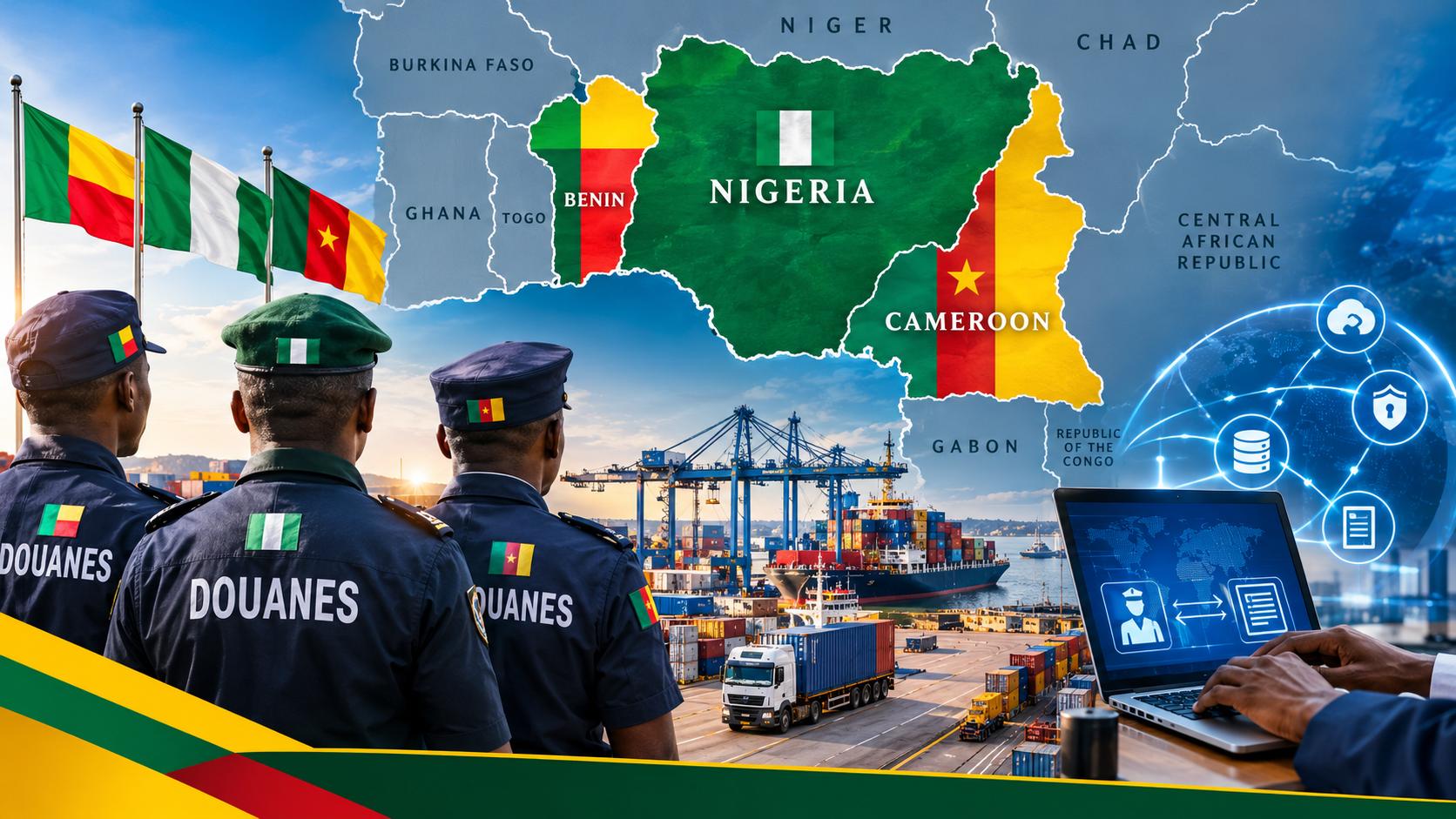
Three West African nations Benin, Nigeria and Cameroon are at a critical juncture in their efforts to dismantle long-standing hurdles in cross-border commerce. Through a new digital customs integration initiative, supported by Afreximbank, these countries aim to create a unified system that would synchronise customs data exchanges and streamline clearance processes. The project, discussed in Cairo in October 2026, is positioned as a potential game-changer for regional trade efficiency and economic integration.
How digital bottlenecks are stifling West African trade
The challenges facing traders in Benin, Nigeria and Cameroon are well-documented. Lengthy customs procedures, inconsistent documentation requirements and fragmented data systems often result in delayed shipments, hidden costs and operational unpredictability. For import-dependent businesses in Benin particularly those reliant on Nigerian ports or Cameroonian exporters targeting Nigerian markets, these inefficiencies can erode profit margins and discourage investment.
At its core, the planned system seeks to eliminate redundant data entries and enable real-time sharing of customs declarations, cargo manifests and clearance statuses across the three countries. By standardising information flows, the initiative could significantly reduce clearance times and create a more predictable trade environment. However, the success of such a system will depend not only on technological capabilities but also on the harmonisation of regulatory frameworks and the training of customs personnel.
Benin’s strategic imperative: securing a competitive edge in regional logistics
With Cotonou serving as a key gateway for goods entering and leaving the Economic Community of West African States (ECOWAS), Benin stands to gain substantially from improved customs interconnectivity. A smoother flow of goods through Nigerian and Cameroonian borders could enhance the competitiveness of Beninese ports, reduce transit delays and lower operational costs for logistics providers.
Beyond logistics, the digital integration could strengthen Benin’s role in regional value chains. Enhanced data transparency would enable quicker identification of fraudulent activities and inconsistencies in cargo declarations, ultimately fostering greater trust in the trade ecosystem. For local businesses engaged in cross-border commerce, this could translate into faster deliveries, reduced inventory carrying costs and improved access to new markets.
Nigeria and Cameroon: aligning national priorities with regional opportunities
Nigeria, as West Africa’s largest economy, stands to benefit from accelerated clearance processes that reduce bottlenecks at its ports and land borders. Meanwhile, Cameroon’s strategic location as a transit hub between Central and West Africa could see improved trade flows with key partners in both regions. For these countries, the initiative represents more than a technological upgrade it’s an opportunity to align national customs systems with broader regional integration goals.
The harmonisation of customs clearance procedures would also facilitate the movement of goods between Nigeria’s manufacturing hubs and Beninese and Cameroonian markets. This could unlock new trade corridors, particularly for agricultural products, textiles and industrial goods, which currently face high transaction costs due to administrative delays.
What’s missing? The practical hurdles to realising this vision
While the digital integration of customs systems offers compelling advantages, several technical and operational challenges must be addressed before tangible benefits can be realised. One of the most pressing concerns is data security. Sharing sensitive customs information across national platforms requires robust encryption and strict access controls to prevent breaches or misuse.
Additionally, the compatibility of existing customs software platforms each developed under different regulatory and technological standards poses a significant challenge. A phased implementation strategy, involving pilot testing and gradual scaling, will be essential to ensuring seamless interoperability. Customs officials across the three countries will also require comprehensive training to navigate the new systems effectively.
Finally, the project’s success will hinge on clear benchmarks for measuring performance. Without standardised metrics to track clearance times, cost reductions and trade volume increases, it will be difficult to assess whether the initiative has achieved its intended outcomes. Governments must define these indicators early to hold the project accountable and ensure continuous improvement.
From vision to reality: what the next phase must deliver
The digital customs interconnection between Benin, Nigeria and Cameroon has the potential to set a new standard for trade facilitation in Africa. Yet, its impact will be determined by the practical steps taken in the coming months. Governments must move swiftly to finalise technical specifications, secure funding and establish cross-border task forces to oversee implementation. Equally important is public-private collaboration, ensuring that businesses especially small and medium-sized enterprises are equipped to adapt to the new system and can provide feedback on its functionality.
As Africa seeks to deepen regional integration and reduce dependence on extra-continental trade partners, initiatives like this customs interconnection could serve as a blueprint for other regions. The stakes are high, but the rewards faster trade, lower costs and greater economic resilience are worth the effort. For Benin, Nigeria and Cameroon, the question is no longer whether to pursue this digital transformation, but how quickly and effectively they can turn this vision into a living reality.
By Élise Ntamag — Journalist