On 20 October 2026, Nigeria confirmed its first imported case of Ebola virus disease in years, sending shockwaves through West Africa’s health systems. The detection in Abuja raises urgent questions about continental readiness as the virus—spread by the Bundibugyo strain—continues its march across Central and East Africa. Will Nigeria’s robust but untried response prevent another outbreak?
What we know about the imported Ebola case in Abuja
The patient, a female traveler, arrived in Nigeria after transiting through Uganda and the Democratic Republic of the Congo (DRC), where the current Ebola outbreak originated. She developed symptoms on 7 October, sought care at a private health facility in Abuja on 11 October, and was laboratory-confirmed positive on 20 October. Isolation protocols are now in full effect, and 44 close contacts have been identified for monitoring.
Federal Health Minister Muhammad Ali Pate confirmed the case is being managed under strict containment measures. “She is in isolation and receiving high-quality medical care,” he stated. The challenge now lies in tracing every potential transmission chain before secondary infections emerge.
Why the Bundibugyo strain changes the calculus
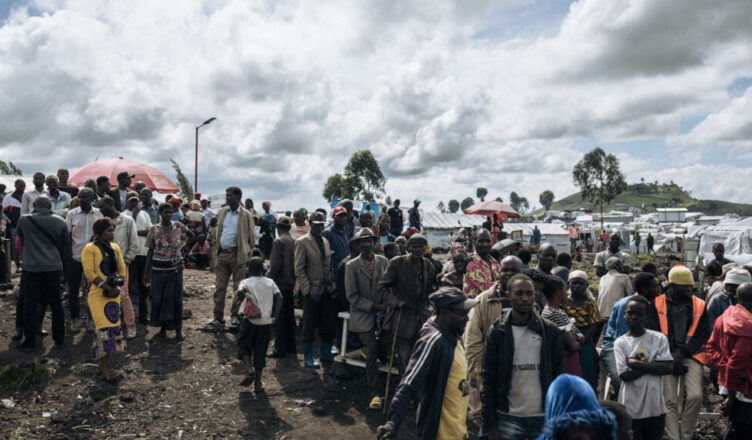
The current Ebola outbreak began in the DRC on 15 May 2026, marking the ninth major episode in the country since 1976. Unlike the Zaire strain behind West Africa’s devastating 2014–2016 crisis, Bundibugyo is a distinct variant—less deadly but more elusive in detection and containment.
To date, nine cases have been confirmed in Kenya, bringing the regional total to five affected countries. The virus’ ability to cross borders undetected underscores a critical flaw in Africa’s pandemic readiness. Airlines, trade routes, and regional mobility create invisible pathways for transmission that traditional border checks cannot intercept.
The forgotten transit route: Uganda’s role in the investigation
While the patient transited Uganda, authorities in Kampala assert she did not exhibit symptoms during her stopover. The World Health Organization (WHO) has cautioned that without definitive evidence of infection in Uganda, the true origin of transmission remains unknown. Epidemiologists are now reconstructing her itinerary to pinpoint where exposure occurred—critical data for disease modeling and regional alerts.
From 2014 to 2026: can Nigeria do what Liberia and Sierra Leone couldn’t?
The 2014–2016 Ebola outbreak killed over 11,000 people across West Africa, with Nigeria managing to suppress its outbreak within weeks due to aggressive contact tracing and public health mobilization. But Bundibugyo is not Zaire—it spreads faster in healthcare settings and requires different containment tactics.
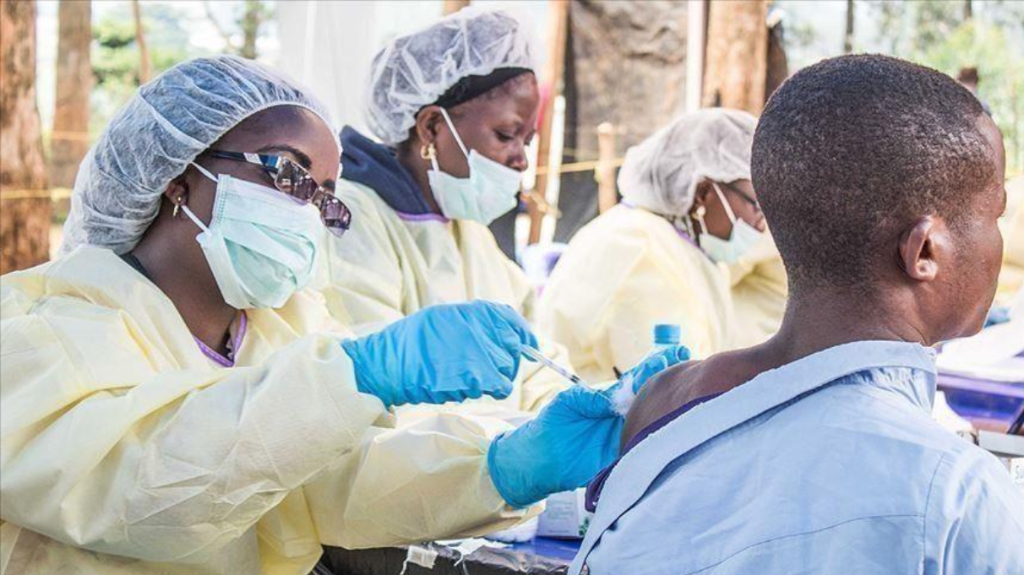
Today, Nigeria’s response hinges on three pillars: rapid laboratory diagnostics, real-time data sharing, and fortified infection control in hospitals. The National Centre for Disease Control (NCDC), Africa CDC, and WHO are coordinating a multi-agency task force to deploy rapid response teams to high-risk areas.
Ebola’s silent journey: how mobility fuels pandemics
Ebola doesn’t travel alone—it hitches rides on planes, buses, and cargo. The patient’s itinerary—from eastern DRC to Uganda, and finally to Nigeria—exposes gaps in screening protocols at transit hubs. While temperature checks and health declarations are standard, asymptomatic transmission during early infection stages remains a blind spot for border control systems.
Regional health ministers are now debating whether to escalate airport surveillance, mandate 21-day monitoring for travelers from affected zones, or launch cross-border training for frontline healthcare workers. Every delay in detection risks turning a single case into dozens.
Containment begins at home: what the public must do now
Ebola spreads through direct contact with bodily fluids—not through air or casual proximity. Symptoms include sudden fever, severe fatigue, muscle pain, vomiting, and diarrhea, often progressing to hemorrhagic complications. Rapid medical attention is crucial, but misinformation can undermine containment.
- Report to health authorities immediately if you’ve traveled to East/Central Africa in the past month and develop symptoms
- Avoid self-medication or hiding illness out of fear of stigma
- Trust only official health advisories—social media rumors often fuel unnecessary panic
For now, Nigeria’s single case does not signal an outbreak, but the stakes couldn’t be higher. The next 72 hours will determine whether this becomes a manageable incident or a regional catastrophe. One thing is clear: Africa’s pandemic shield is only as strong as its weakest link.
The window to act is closing
Ebola’s history shows that early intervention saves lives—while hesitation costs them. Nigeria’s rapid isolation of the patient and contact tracing are promising signs, but the Bundibugyo strain demands relentless vigilance. Can Africa’s most populous nation set the standard for outbreak response in 2026?
For West Africa, the clock isn’t just ticking—it’s counting down to the next potential crisis.