Rethinking Niamey’s fuel strategy amid redirected Algerian shipments
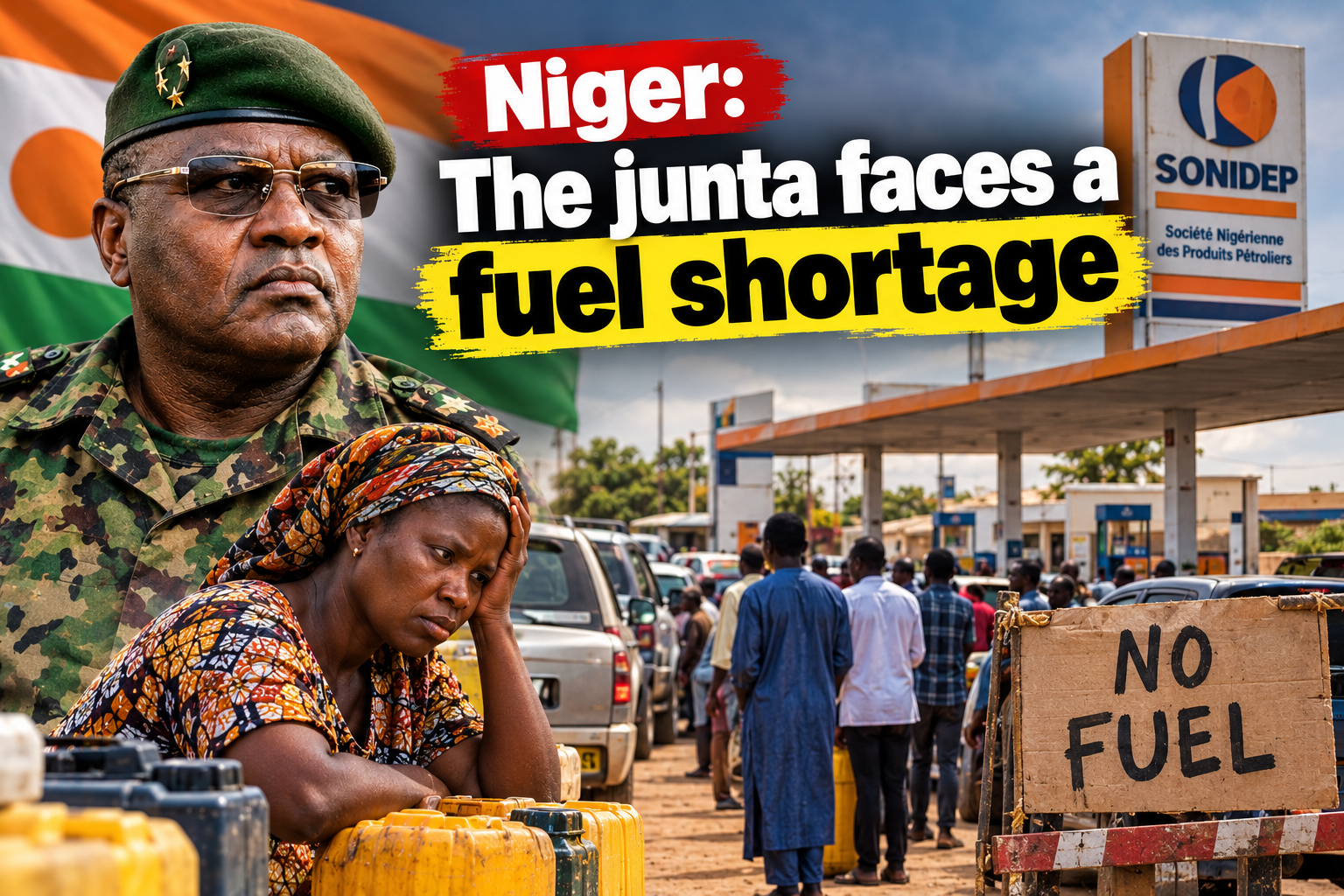
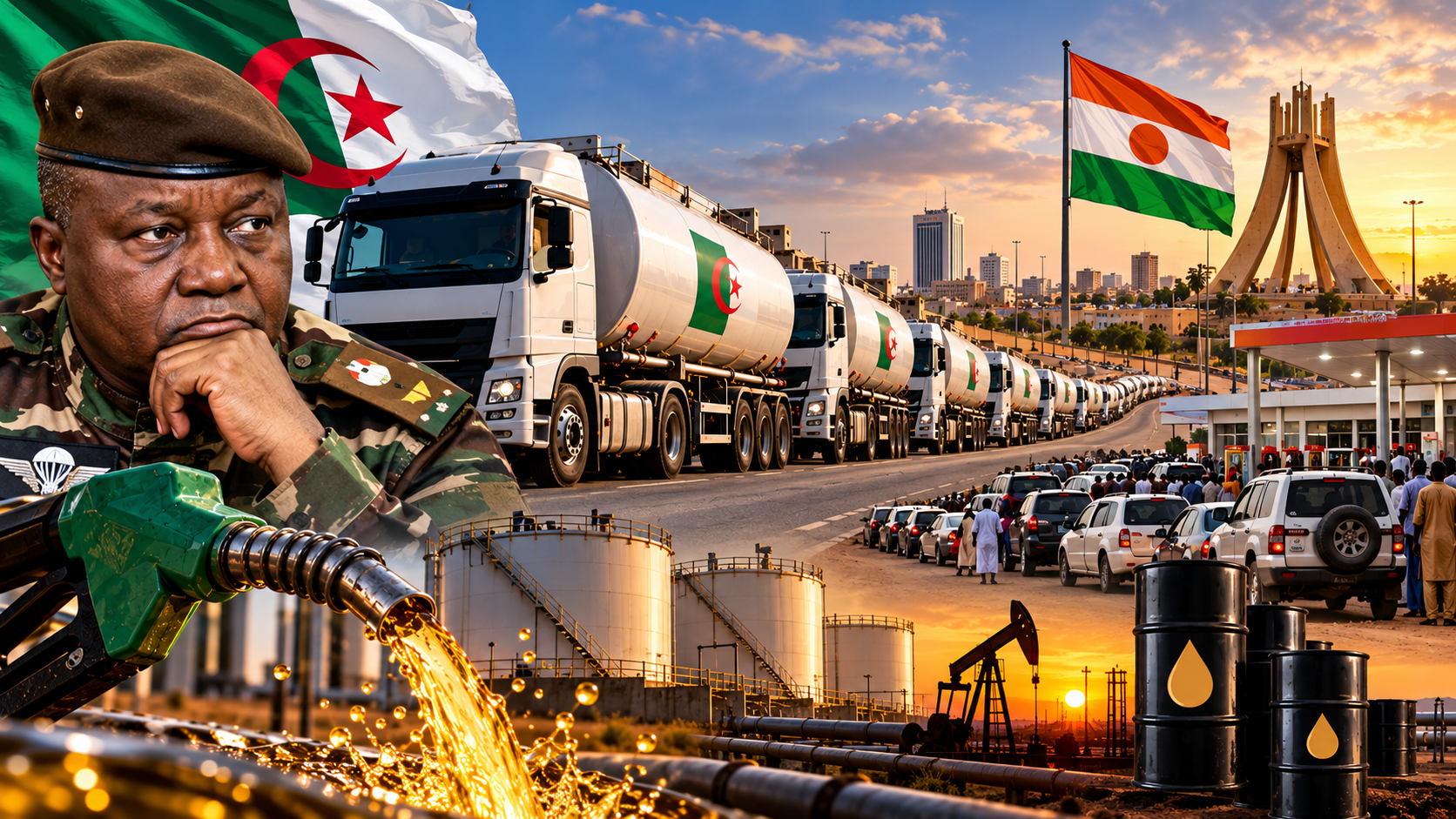
What happens when an emergency fuel delivery meant for one city is rerouted to the capital? That is the question facing Niger’s authorities after reports emerged that 150 Algerian tankers originally slated for Agadez are now en route to Niamey. The move raises urgent questions about logistics, cost, and whether this shipment will merely address immediate shortages or lay the groundwork for sustainable fuel security.
With each tanker holding 25,000 liters, the total shipment amounts to 3.75 million liters of diesel and gasoline. While the volume could temporarily ease pressure in Niamey, the decision to reroute the cargo leaves unanswered questions about Agadez’s fuel needs and the rationale behind the shift.
If the delivery is confirmed, it signals a recalibration of priorities one that will have financial and strategic consequences for the country’s energy strategy.
The true cost of Algeria’s fuel imports: price and hidden economic trade-offs
The price attached to this shipment has intensified scrutiny. Delivered at 800 FCFA per liter, the Algerian fuel comes with a catch: payment will be made in crude oil rather than cash. While this mechanism defers immediate financial strain, it introduces new variables into the cost equation. The crude oil handed over as repayment must be valued accurately to reveal the true expense of this agreement.
Comparing Algeria’s terms with Nigeria’s traditional supply chain highlights the disparity. Historically, fuel imported from Nigeria cost Niamey 702 FCFA per liter, including transport. The 98 FCFA difference per liter spread over 3.75 million liters could result in a financial gap exceeding 367 million FCFA, though this figure does not account for contract specifics, crude oil valuation, or logistical variations.
Beyond raw numbers, the justification for higher costs must consider more than just price. Reliability of supply corridors, delivery timelines, and the risk of future shortages all play a role in determining whether a more expensive option is justified. Still, without transparent breakdowns of the agreement’s terms, the reasoning behind this decision remains speculative.
Fuel reserves: the missing link in Niger’s energy security strategy
While the immediate focus remains on securing enough fuel to keep Niamey running, the deeper issue is whether this shipment will contribute to a lasting solution. A capital city cannot afford to rely on emergency imports indefinitely.
Fuel shortages disrupt transportation, commerce, and essential services from public transit to hospital generators. Relying solely on last-minute deliveries leaves the country vulnerable to price volatility, logistical bottlenecks, and geopolitical shifts in supply routes.
If the 3.75 million liters are used primarily to restock strategic reserves, the move could be a step toward energy resilience. But how much of the shipment will be set aside for storage? How long could it sustain Niamey’s daily consumption? Without concrete details on storage capacity, consumption rates, or allocation, it is impossible to assess whether this delivery truly strengthens fuel security or merely postpones the next crisis.
Beyond the quantity, the quality of storage infrastructure matters. A well-managed reserve system requires not only sufficient volume but also controlled storage, regular stock rotation, and robust monitoring to prevent leakage and mismanagement.
From emergency response to long-term stability: can Niger break the cycle?
The arrival of Algerian fuel may ease immediate pressure, but it should not replace a coherent energy strategy. Diversifying supply sources can reduce dependence on any single corridor but only if each option is evaluated for cost, reliability, and sustainability.
The rerouting of these tankers to Niamey raises further questions: Why was Agadez’s allocation altered? How will the northern city’s fuel needs be met? And what mechanisms will ensure that emergency measures do not overshadow long-term planning?
Transparency will be key. Authorities must clarify the intended use of this shipment whether it is intended for immediate distribution, reserve building, or both and outline how it fits into a broader plan to prevent future shortages. Failing to do so risks leaving Niamey no better prepared for the next disruption than before.
In energy terms, a capital without fuel reserves is not just vulnerable it is paralyzed. The very definition of crisis prevention is to act before the crisis begins. Otherwise, Niger risks repeating the same cycle: scrambling for fuel, paying a premium, and still struggling to break free from dependence.
Key takeaways
150 Algerian tankers (3.75 million liters) rerouted from Agadez to Niamey, raising questions about priority shifts.
800 FCFA per liter a 98 FCFA increase over Nigerian imports with payment in crude oil complicating cost assessment.
Strategic reserves are essential, but without transparency on storage and allocation, the shipment’s long-term impact remains unclear.
Emergency measures cannot replace systematic planning if Niger aims to achieve energy independence and price stability.
By Daniel Mbami — Journalist