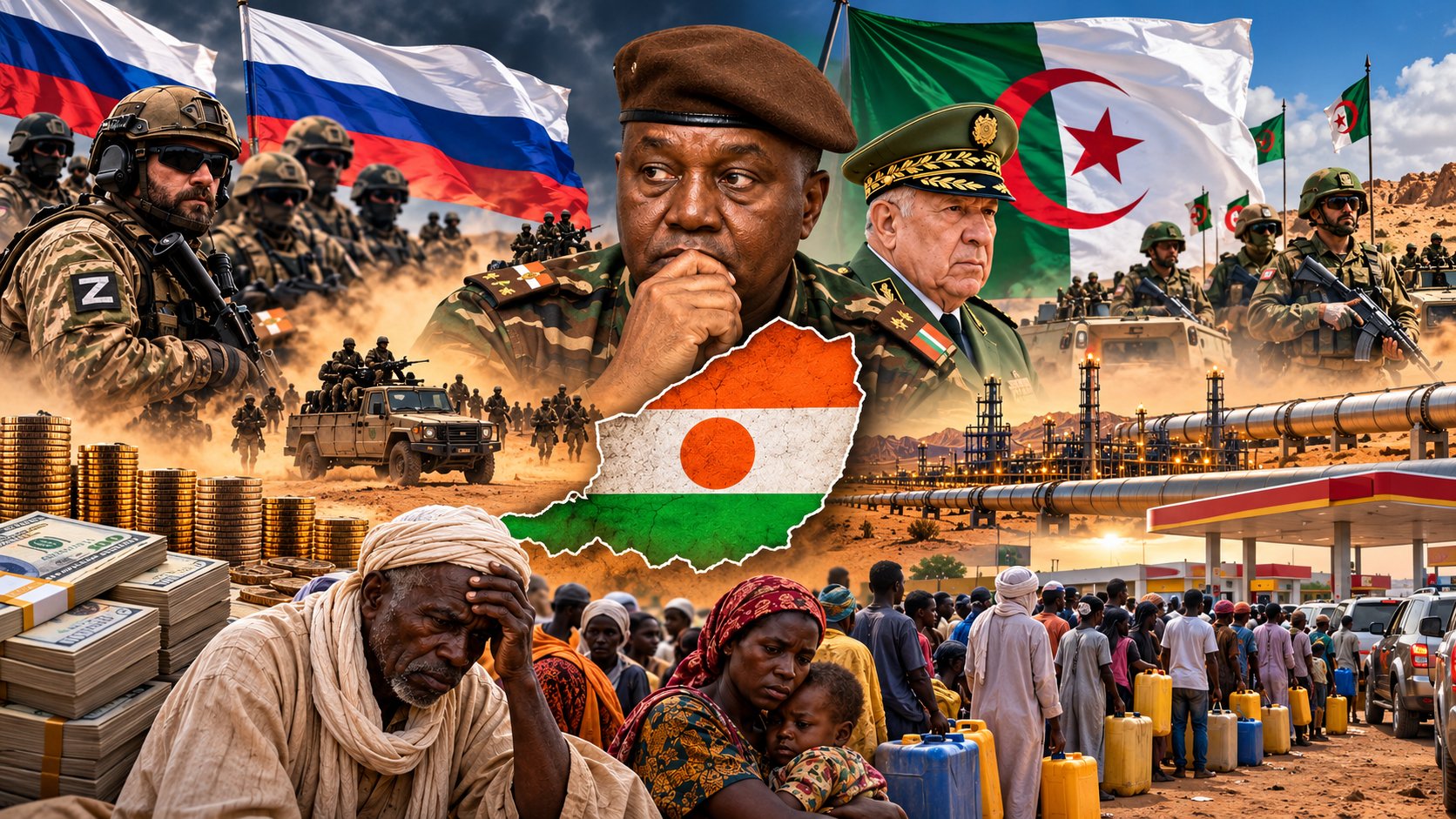
The clock is ticking for Niger’s military leadership. After banking on Russian mercenaries to restore stability, the government of General Abdourahamane Tiani has turned to Algeria raising a pressing question: is this a strategic lifeline or another costly dependency?
From Moscow to Algiers: a pivot under pressure
Since seizing power in July 2023, General Tiani has elevated Niger’s military ties with Russia, positioning Moscow’s African Corps as a cornerstone of national security. Yet despite this high-stakes alliance, the promised security gains remain elusive. Attacks continue, civilian protection is inconsistent, and the state’s authority still struggles to take root in vulnerable regions.
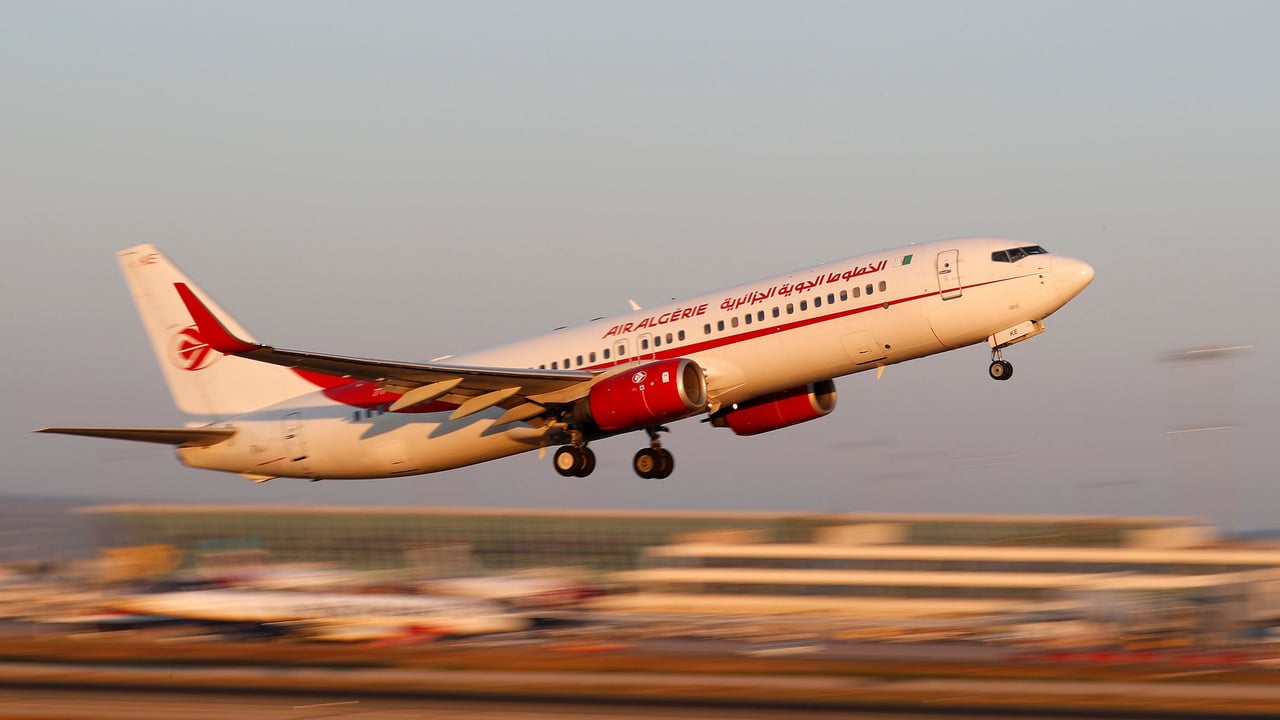
Against this backdrop, the Algerian Parliament’s landmark vote on October 25, 2026 authorizing the deployment of Algeria’s National Popular Army (ANP) units to Niger marks a seismic shift. For a nation that has loudly championed sovereignty and distanced itself from former allies, this move demands scrutiny. What exactly is being negotiated? Who stands to benefit? And, critically, who will foot the bill?
What’s really driving the shift?
The rationale behind Tiani’s pivot is complex. Officially, the cooperation aims to bolster Niger’s defense capabilities and counter regional threats. But beneath the diplomatic language, deeper economic and security interests are at play.
Energy security: Algeria’s stake in Niger’s oil sector and its ambitions for the Trans-Saharan Gas Pipeline cannot be ignored. Protecting these assets is a shared priority and one that may shape the terms of engagement.
Strategic caution: Unlike its more interventionist regional peers, Algeria has historically avoided foreign military deployments. The green light from Algiers signals a calculated gamble, balancing national interests with geopolitical realities.
Sovereignty vs. survival: The regime’s insistence on self-reliance clashes with a harsh reality: without tangible security results, even the boldest declarations ring hollow.
Yet the most pressing question lingers: if Russian forces failed to deliver, what assurances exist that Algerian troops will succeed?
What do we know and what’s still unknown?
Algeria’s deployment is framed as a response to shared threats, but key details remain shrouded in secrecy. The scope of the mission whether limited to border surveillance or extending to full-scale operations remains unclear. Likewise, the division of responsibilities, logistical arrangements, and financial obligations are yet to be publicly defined.
This opacity is not merely an academic concern. For a country grappling with inflation, food insecurity, and crumbling infrastructure, every franc diverted to military spending must justify itself. Will these funds be offset by Algerian contributions? Or will Niger’s treasury already stretched thin bear the brunt?
The mercenary math: are Russian partners a bargain or a burden?
Russian military contractors were supposed to be the great equalizer, offering cost-effective security solutions. Yet rumors of hefty per-militia fees reportedly up to $10,000 per mercenary per month paint a different picture. These figures, though unverified, underscore a troubling trend: the more partners a state accumulates, the higher the cumulative cost.
Beyond the price tag, the absence of measurable progress raises alarms. Are these funds siphoned from critical sectors like healthcare and education? Or are they justified by long-term stability that has yet to materialize? Without independent oversight or published audits, citizens are left in the dark.
Algeria’s play: protector or profiteer?
Algeria’s motivations are not purely altruistic. As a regional energy hub, Algiers has a vested interest in securing Niger’s oil fields and transit corridors. While this convergence of interests could align benefits, it also introduces a troubling dynamic: could Niger’s territory be treated as a proxy for Algeria’s strategic gains?
The risk? A security partnership that prioritizes infrastructure over individuals. Protecting a pipeline is not the same as shielding a village. Until the government clarifies how these operations translate into tangible protections for ordinary citizens, skepticism will persist.
Transparency as the ultimate safeguard
Sovereignty, as Tiani’s regime has repeatedly asserted, is not measured by the number of foreign allies but by the government’s ability to deliver for its people. Yet the current approach layering military agreements without clear accountability threatens to undermine this very principle.
Transparency is not a luxury; it’s a necessity. Niger’s citizens deserve to know:
What are the exact terms of the Algerian deployment?
How will costs be shared, and which budget lines will be impacted?
What benchmarks will define success and who will certify them?
What safeguards exist to prevent creeping dependence on external forces?
The answers must come before the deployment entrenches itself. Otherwise, the cycle of dependency will continue: new allies, new expenses, new unkept promises and a population left to cover the tab.
The acid test: measurable security or endless spending?
History offers a cautionary tale. External military interventions, no matter how well-intentioned, often fail to address root causes of instability. They may suppress symptoms temporarily, but without holistic investment in governance, development, and reconciliation, the cycle of violence persists.
For Tiani’s government, the choice is stark. Algeria can be a partner but it cannot be a substitute for a coherent, accountable security strategy. The government must prove that this latest gamble will yield dividends for Niger’s people, not just its military ledgers.
Until then, one question will persist: how many more partners, and how much more debt, before the lights come back on?
By Daniel Mbami — Journalist