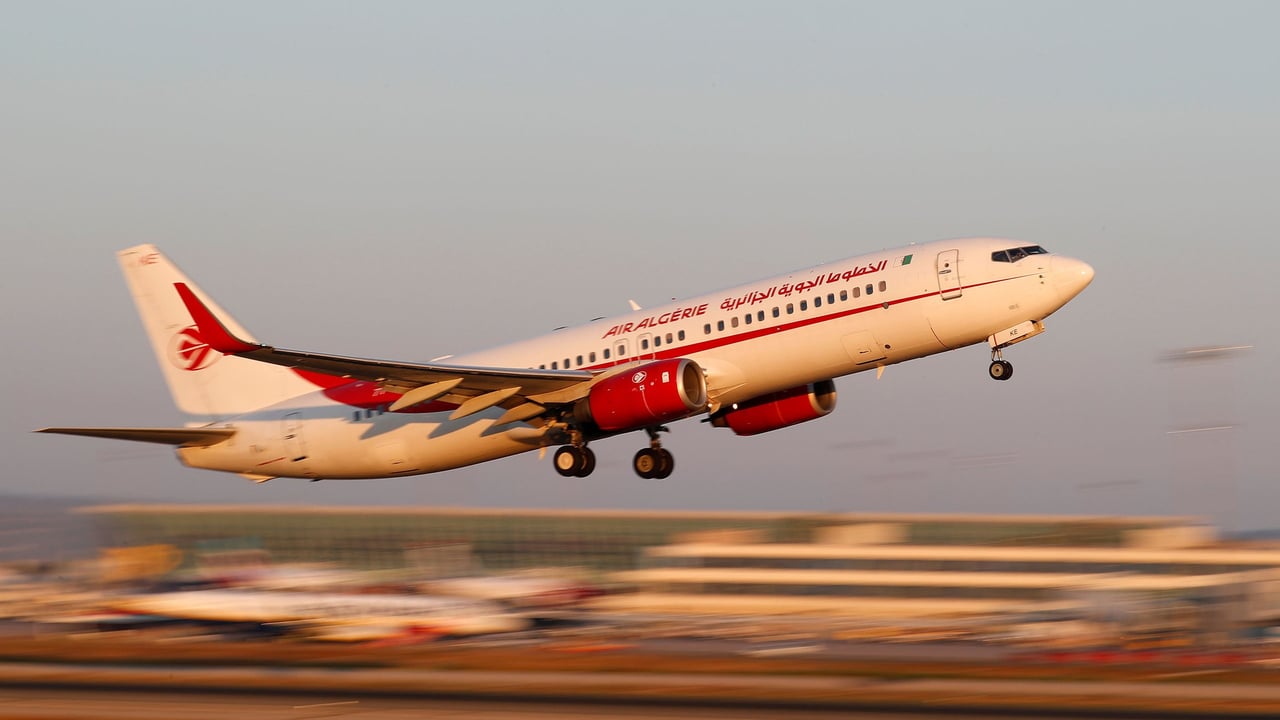
The recent thaw in diplomatic relations between Mali and Algeria is creating unexpected opportunities for the aviation sector across West Africa. Airlines such as Air France, Brussels Airlines, and Air Algérie are poised to benefit from the easing of long-standing restrictions, particularly routes connecting Niamey to Algiers.

Regional aviation set for revival as diplomatic tensions ease
Following months of strained relations, the reopening of airspace and the resumption of commercial flights between Algeria and its southern neighbors marks a turning point. The move directly impacts Niger’s capital, Niamey, where travelers previously faced significant delays and cancellations due to geopolitical barriers.
This shift comes as Air Algérie prepares to strengthen its presence in the region, with plans to expand its fleet and introduce new routes. The airline, already a key player in connecting West Africa to North Africa, is expected to capitalize on the renewed demand for cross-border travel.
What this means for travelers and airlines
The easing of restrictions is expected to streamline operations for major carriers like Air France and Brussels Airlines, which have been operating under reduced capacity. For passengers, the benefits are immediate: shorter travel times, more competitive fares, and greater flexibility in booking.
Industry analysts highlight that the normalization of air travel between Algeria and Mali could serve as a model for other countries in the Sahel region. The potential for increased trade, tourism, and economic cooperation is substantial, particularly for landlocked nations like Niger.
Looking ahead: Challenges and opportunities
While the outlook is promising, challenges remain. Infrastructure upgrades at Niamey’s international airport will be critical to handling the surge in traffic. Additionally, ensuring compliance with international safety standards will be essential to maintaining passenger confidence.
The aviation sector’s recovery in West Africa hinges on sustained diplomatic progress. If current trends continue, the region could see a revival in air connectivity that benefits millions of travelers and businesses alike.