Women in Benin politics: progress and ongoing challenges
Benin marks a historic milestone with the appointment of Captain Elvire Toupé as aide-de-camp to the president. Her selection follows the first cabinet meeting of President Romuald Wadagni’s administration on May 28, elevating her to a role previously unoccupied by a woman since the country gained independence on August 1, 1960. Previously serving with the Republican Guard, Captain Toupé now stands as a symbol of progress in a nation where female political representation remains limited.
Inspiration from history: the Dahomey Amazons
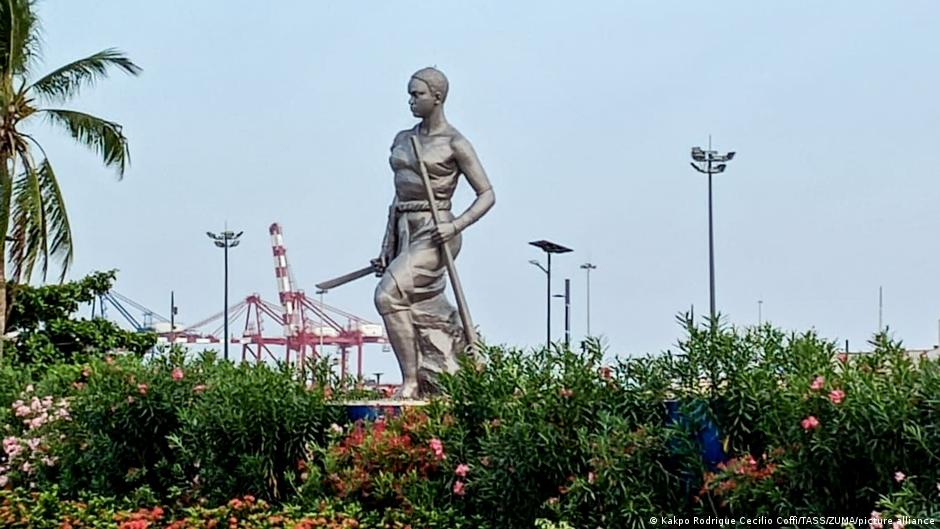
Captain Toupé’s appointment resonates deeply with Benin’s historical warrior women, the Agodjié, known to European colonizers as the Amazons. These elite female soldiers served alongside Dahomey’s monarchs, embodying courage, resilience, and leadership. Analysts and journalists alike see this appointment as a potential turning point.
Régis Hounkpè, geopolitical analyst and director of InterGlobe Conseils, highlights the significance of female role models in Beninese society: “Because they were women, they serve as powerful examples. Young girls across Benin draw inspiration from them, and the Amazons have been restored to a vital role—not just in communities, but in decision-making circles and public life. People talk about the Amazons often.”
Wuldath Moussa Mama, a journalist, reflects on whether this appointment signals broader change or remains an isolated achievement: “Is this the exception that proves the rule, or is it the spark that could encourage more women to take on leadership roles? Perhaps it’s opening a door that will help them advance further into public life.”
Mixed progress: women in Benin’s political leadership
Captain Toupé’s role is just one example of progress. Benin’s current government includes six female ministers, covering portfolios such as foreign affairs, higher education, family and social action, domestic trade, employment, vocational training, and communications. In comparison, the previous administration under Patrice Talon had only five women in a 23-member cabinet.
However, representation in the National Assembly remains modest. The 10th legislature, seated in February 2026, includes 28 female lawmakers—25.7% of the total 109 seats—matching the previous legislature’s figures. While Benin’s electoral code mandates one reserved seat per constituency for women, this quota has resulted in 24 elected female deputies, with four additional women winning seats outside this system.
Wuldath Moussa Mama points to deeper structural challenges: “The picture is still incomplete and points to the work needed within political parties—both in training activists and in giving women real opportunities.”
The vice presidency, held by Mariam Chabi Talata Zimé Yérima since 2021, is symbolic but largely ceremonial under the Beninese Constitution. While a milestone, its impact on gender inclusivity remains limited without expanded decision-making power.