Gabon and France forge a new strategic partnership
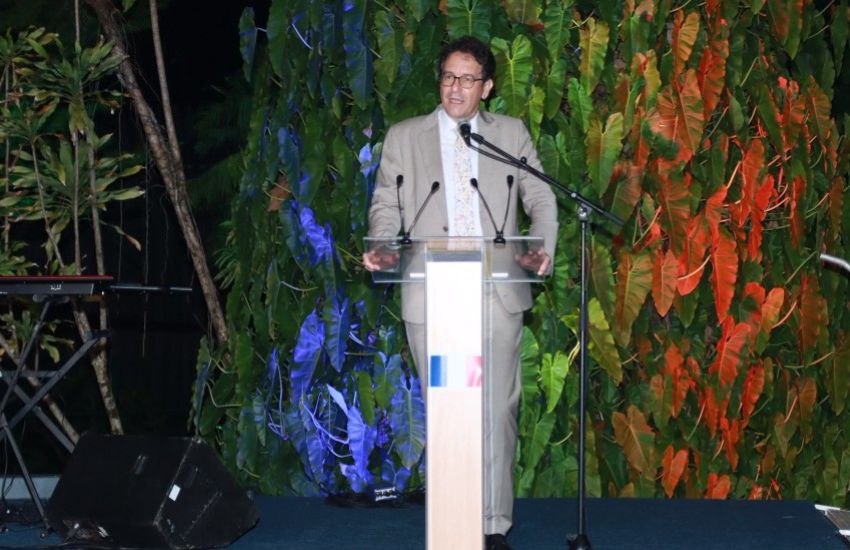
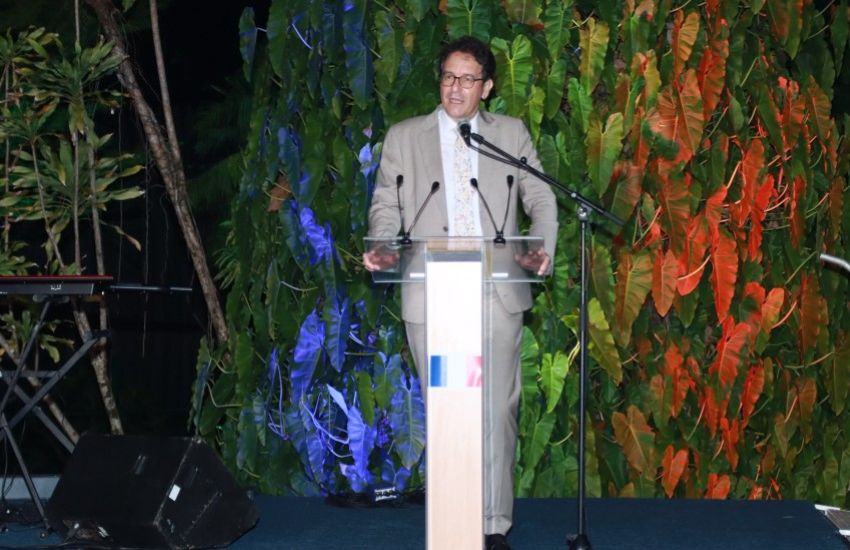
Libreville, July 16, 2026 – What began as a celebration of French National Day in Libreville on July 14 took a decisive turn toward the future of Gabon-France relations. Ambassador Fabrice Mauriès’ address at the French residence didn’t just mark the occasion—it unveiled a roadmap for a fundamentally redefined partnership between Paris and Libreville.
Three landmark announcements emerged from the diplomatic proceedings: an imminent state visit by President Brice Clotaire Oligui Nguema to France, the permanent transformation of Camp De Gaulle, and the establishment of a national financial crimes unit in Gabon. While distinct in nature, these developments collectively signal a deliberate shift toward a more balanced and forward-looking bilateral relationship.
In an era where geopolitical rivalries intensify and African nations assert sovereignty with growing determination, Gabon is positioning itself as a test case for Europe-Africa relations in the 21st century. The Gabonese capital has become a focal point for observing how traditional partners can adapt to new realities without sacrificing historical ties.
A state visit that carries symbolic weight
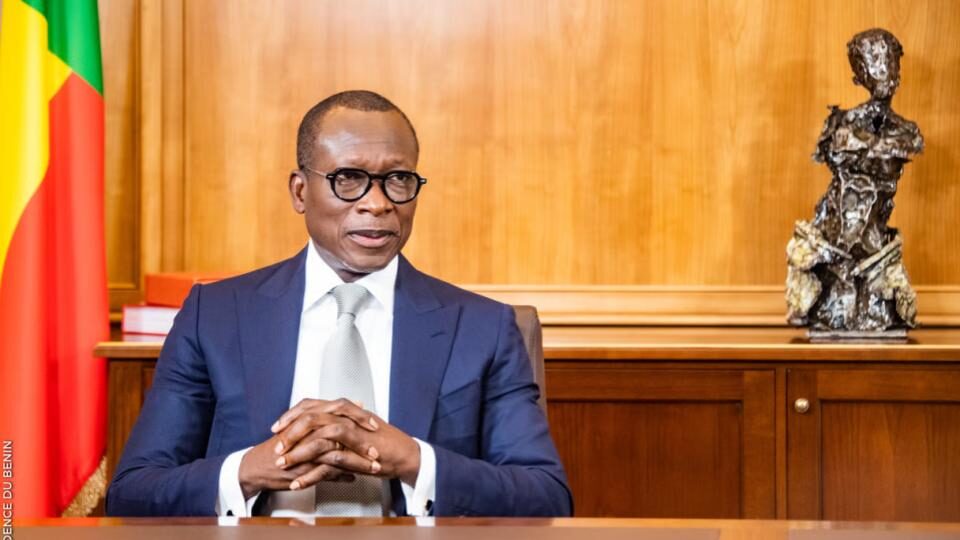
The announcement of President Oligui Nguema’s state visit to France represents the highest diplomatic recognition Paris can accord to a foreign leader. Such visits traditionally underscore mutual respect and shared strategic vision—qualities both nations appear eager to emphasize in this new chapter.
French officials were careful to frame the visit within Gabon’s sovereignty. While acknowledging France’s historical role, they emphasized that Gabon’s political transition belongs exclusively to its people. This careful phrasing reflects a deliberate departure from past practices where former colonial powers were often accused of overreach. The message is clear: Paris now favors partnership over influence, cooperation over control.
Closing a military chapter
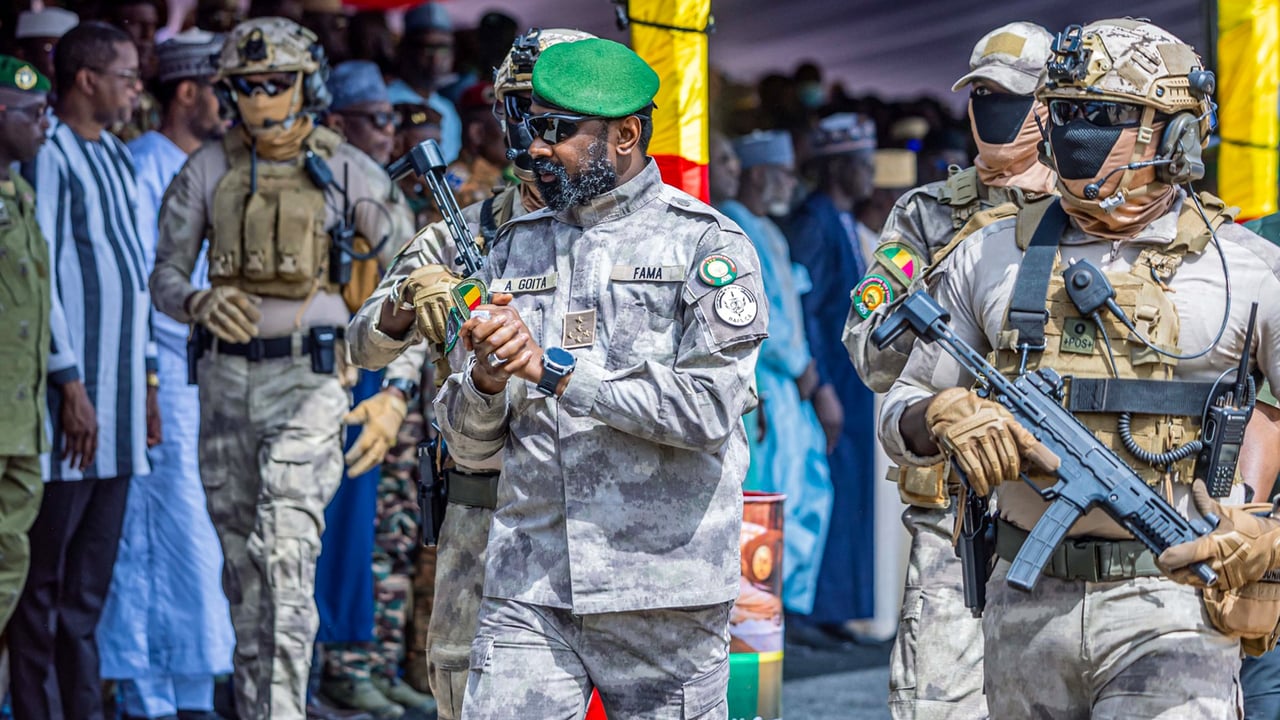
The transformation of Camp De Gaulle marks the most visible symbol of this evolving relationship. For decades, this French military base served as the cornerstone of Paris’s strategic presence in Central Africa. Its planned conversion signals the end of an era that began with African independence movements.
The new framework will prioritize operational partnerships, joint training exercises, and maritime security cooperation over permanent troop deployments. This aligns with France’s revised African strategy, which now emphasizes tailored collaborations that respond to partner nations’ specific needs and priorities.
For Gabon, this transition presents an opportunity to enhance its own military capabilities while maintaining historical ties with France. Future joint projects in maritime security—particularly concerning the Gulf of Guinea, one of Africa’s most critical maritime zones—demonstrate how both nations are reorienting their cooperation toward shared strategic interests.
Financial justice and institutional modernization
The creation of Gabon’s national financial crimes unit addresses a critical global concern: combating corruption, illicit financial flows, and economic crime. This initiative holds particular significance for a resource-rich nation like Gabon, where petroleum, manganese, and other extractive industries require transparent management to fuel sustainable development.
French officials emphasized that this judicial cooperation would operate as a two-way street, reflecting Gabon’s desire for more equitable legal exchanges. The initiative complements Gabon’s broader goals of institutional modernization, economic transparency, and public sector reform.
Beyond financial crimes, the partnership extends to counter-narcotics efforts, border security, internal policing, and capacity-building for Gabonese security forces. These developments suggest a relationship increasingly defined by shared governance, mutual security concerns, and economic development rather than historical obligations alone.
The July 14 address in Libreville may well be remembered as the moment both nations formally embraced a new phase in their bilateral history. Neither a complete break from the past nor a blind continuation, this evolution represents a pragmatic recalibration—one better suited to the geopolitical realities of today and tomorrow. The true test now lies in translating these diplomatic commitments into tangible benefits for the populations of both nations and for the stability of Central Africa as a whole.