French Prime Minister Sébastien Lecornu arrived in Morocco on July 15, 2026, leading a high-level delegation of twelve ministers. The visit is expected to yield several key agreements, but it also coincides with rising tensions over human rights concerns. Rabat has recently initiated legal proceedings against a prominent journalist and an artist, underscoring the delicate balance between diplomacy and domestic governance.
a shifting diplomatic landscape in north africa
France’s relationship with Morocco has evolved into a nuanced dynamic across Sub-Saharan Africa. As Paris recalibrates its influence in regions where its presence is waning, Rabat has emerged as a proactive player, expanding its investments and diplomatic footprint. But is Morocco truly an unexpected challenger to France’s historical dominance in these territories?
cooperation with a competitive edge
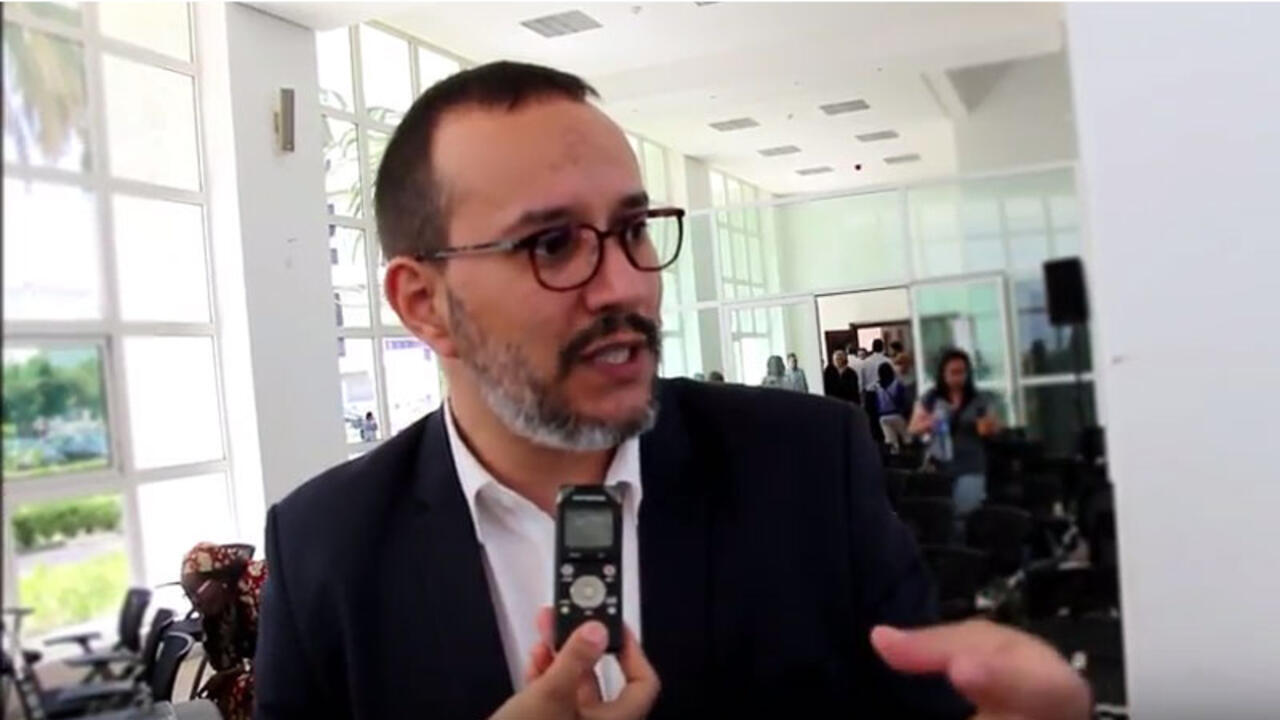
Mehdi Alioua, Moroccan sociologist and Chair of Migration, Mobility, and Cosmopolitanism at the International University of Rabat, offers a measured perspective. «It’s not a zero-sum game, but a blend of collaboration and competition,» he explains. «A significant portion of Morocco’s investments are joint ventures with French enterprises or coordinated with French diplomacy. There’s a strong South-South cooperation that also intertwines with North-South partnerships through the historic ties between Rabat and Paris.»
However, Morocco has also pursued independent initiatives, including fully Moroccan-funded projects and a bold foreign policy championed by King Mohammed VI. This strategy, dubbed «Africa for Africa,» reflects a deliberate effort to carve out a distinct role on the continent.
Morocco’s potential in Sahel diplomacy
The Sahel region, particularly the Alliance of Sahel States (AES), has seen strained relations between France and its governments. Could Morocco play a constructive role in easing these tensions?
Alioua believes Rabat is actively seeking to mediate. «I don’t think the issue lies with the people of the Sahel,» he notes. «It’s more about political posturing. In countries like Mali, for instance, new regimes have exploited anti-French sentiment for populist gain. This isn’t how Moroccan diplomacy operates.»
He emphasizes Morocco’s deep-rooted historical ties to the Sahel, dating back millennia. «These relationships predate Islam and have only grown stronger over time. Consider the Almoravid dynasty, whose name gave rise to the French term ‘marabout,’ originating from the Sahel and ruling an empire stretching from Spain to Guinea and modern-day Mali. Our shared history is a foundation for diplomatic renewal.»
human rights concerns and diplomatic credibility
Recent arrests of critical voices in Morocco—including Franco-Moroccan journalist Ali Lmrabet and rapper Mehdi Black Wind—have raised questions about the country’s commitment to free expression. Should these developments be a cause for concern?
«Any imprisonment of journalists or artists is troubling,» Alioua acknowledges. «Morocco’s judiciary operates independently in principle, and those detained have avenues for defense. While the journalist has been released, he remains under investigation. Legal proceedings will clarify the charges. Morocco has made significant strides in human rights, but occasional setbacks reveal lingering institutional reflexes.»
Morocco’s appeal versus France’s legacy
Can Morocco match France’s allure in Sub-Saharan Africa? The comparison is stark. «No, not yet,» Alioua admits. «But Morocco is gaining ground. The kingdom’s investments in the Africa Cup of Nations, for example, showcased its ambition—though the backlash over a final dispute with Senegal revealed vulnerabilities. Domestic criticism also questioned the prioritization of stadiums over poverty alleviation.»
He cautions that Morocco’s economic status as a lower-middle-income country limits its ability to rival France’s soft power. «The day Morocco achieves greater economic prosperity, its appeal will surge—possibly even surpassing France’s.»