Politics
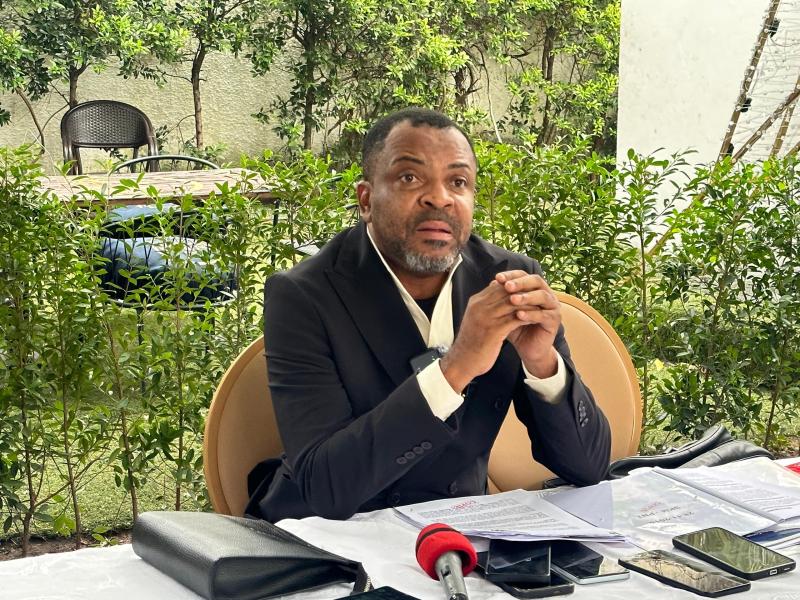
Filmmaker Jean-Pierre Bekolo warns: Cameroon’s chaos has already begun without Paul Biya
In his latest commentary, the renowned director paints a stark picture of a nation unraveling at the seams.
Bekolo’s chilling prediction: Cameroon’s future without Paul Biya
The Cameroonian filmmaker and intellectual Jean-Pierre Bekolo has issued a sobering warning about the state of the nation. In a recent op-ed, he argues that Cameroon is already experiencing the early stages of chaos that would follow Paul Biya’s departure from power. “The country has entered a period of permanent contestation,” he writes, “played out through media outlets, social networks, and power struggles among competing factions.”
The signs are unmistakable. With each passing day, as Paul Biya’s symbolic authority wanes, the fragility of those around him becomes glaringly apparent. Even in his advanced age and despite his absence from public view, Biya has maintained a level of respect that none of his successors can claim.
The erosion of institutional credibility
Cameroonians daily witness top officials who, while occupying prestigious positions, command neither trust nor respect. Public skepticism has grown particularly acute regarding the influence wielded by the families and inner circles of certain leaders. These networks, in their clumsy displays of power, now appear to operate above the state itself, creating the impression of being more influential than the institutions they are meant to serve.
The nation watches as wealth and resources slip from national control. Take the recent case of the Mines Minister’s controversial statement about gold reserves: many interpret this admission as proof that the country’s riches are increasingly benefiting private interests rather than the public good.
The Constitutional Council has also come under fire for what many perceive as political manipulation. Citizens view its decisions as serving Biya’s interests rather than upholding justice, further eroding the institution’s moral standing.
Meanwhile, key ministries have become virtually invisible, incapable of addressing citizens’ daily struggles while their leaders continue to enjoy the privileges of office. The prolonged tenures of certain CEOs and board chairs—far exceeding their original mandates—have left the nation questioning who truly holds power.
The recent constitutional reform creating a vice-presidential position has raised additional eyebrows. How could a parliament whose own mandates had expired extend its term to pass such legislation? The proliferation of decisions made through permanent delegation has further blurred the lines between presidential authority and that of his entourage.
The gathering storm
Individually, these developments might be debated. But collectively, they tell a single, disturbing story: Cameroon cannot function without Paul Biya.
Many who have benefited from the system—through accommodations, silence, or manipulation—now lack the legitimacy to unite the nation. Without Biya’s stabilizing presence, the rivalries that were previously contained will escalate into open confrontation. Those who believe they can inherit power through decree or arrangement will soon discover the explosive consequences of governing a Cameroon stripped of Biya’s authority.
Bekolo’s analysis paints a clear picture of what lies ahead: a Cameroon already mired in permanent contestation, where social media battles and media wars mask deeper power struggles. These factions are poised to escalate their conflicts, with violent confrontations and even assassinations becoming real possibilities. Institutions, already paralyzed, will prove incapable of maintaining order, as internal dissent grows against their decisions.
The financial system and funding mechanisms will be the next casualties of this succession crisis, plunging the nation into deeper turmoil. Each decision will be challenged. Each appointment will be scrutinized. Each transfer of power will be contested. This is the definition of chaos—and it stems not from opposition forces or foreign interference, but from the exhaustion of a system that has become unsustainable without Biya.
A call for responsible departure
The filmmaker issues a stark warning to those clinging to power: it is time to take responsibility and step aside. This isn’t about humiliation or coercion, but about historical accountability. Those who have served their country must recognize when their time has passed and make way for renewal.
Cameroon needs a transitional government—not to perpetuate the existing system, but to rebuild trust, restore institutions, and establish fair electoral rules. Only through an honest transition can the nation avoid collapse. Any attempt to artificially prolong the current system, through secret meetings or shadowy deals, will only deepen the crisis.
Those who pursue such paths will bear full responsibility before history, for their actions will inevitably lead to the chaos they claim to fear. The choice is clear: responsible transition or inevitable disorder.