The urgent convening of Algeria’s parliament on October 25 has reignited critical questions about Algeria’s military ambitions in the Sahel. As speculation grows over a potential deeper engagement in Niger, the stakes extend far beyond the prospect of armed intervention—touching on regional sovereignty, shifting alliances, and the delicate balance of power in an unstable landscape.
Is Algeria poised for a strategic military leap in the Sahel?
The extraordinary session of both parliamentary chambers, scheduled for October 25, has fueled intense debate. With no official agenda disclosed, rumors swirl about a possible vote to authorize military deployment in Niger. While no formal announcement confirms such a move, recent political and military developments demand a closer look at Algeria’s motivations and the potential regional fallout of a changed stance.
A military partnership reshaping regional dynamics
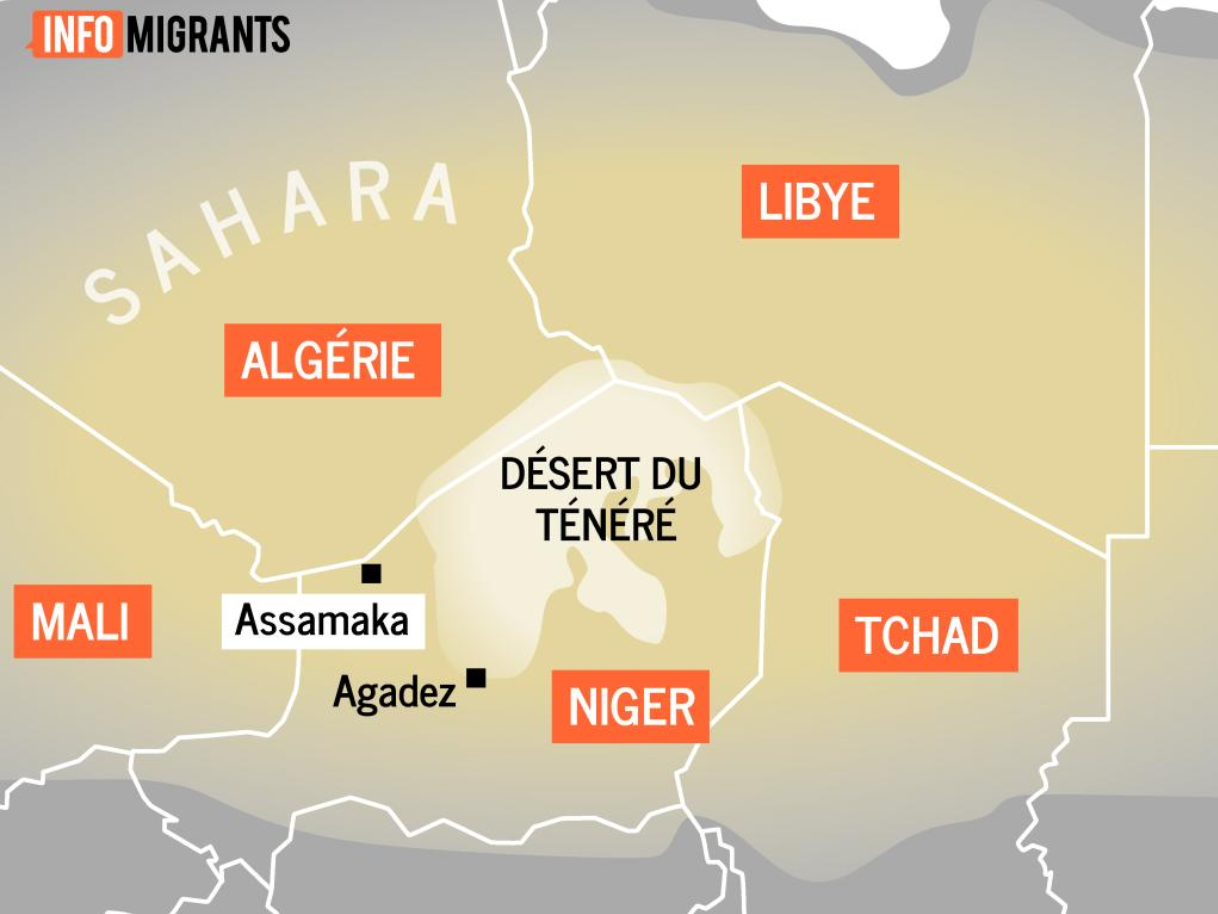
On August 30, 2026, Algeria deployed four Su-30 fighter jets and a refueling aircraft to Niamey at the request of Niger’s authorities. This move, framed as cooperation, sends a strong political signal: Algeria is determined to maintain operational capacity in a region plagued by instability, eroding alliances, and external power struggles.
On October 21, a military cooperation protocol between Algerian and Nigerien officials further cemented this trend. Though the agreement’s details remain undisclosed, its existence underscores the growing priority of security ties between the two nations. However, it does not yet confirm imminent military action.
The constitutional lock: a key to understanding the session
Algeria’s constitution plays a pivotal role in this scenario. Article 91 stipulates that deploying the national army abroad requires approval from both parliamentary chambers by a two-thirds majority. This rule naturally fuels speculation about a potential debate on external military engagement. Yet, without an explicit agenda, caution is warranted. The session could address other pressing matters, and conflating procedural steps with strategic decisions risks turning conjecture into assumed fact.
Niger’s sovereignty in the regional chess game
For Niamey, a strengthened partnership with Algeria offers a valuable diversification of security support. In a Sahel grappling with persistent armed threats and shifting alliances, backing from a neighbor with significant military capabilities holds strategic weight.
For Algeria, Niger’s geographic position is equally critical. Sharing a border, both nations face cross-border armed groups, trafficking networks, and destabilization risks. Algeria’s actions may aim more at containing threats than launching offensive operations. Distinguishing between military support, cooperative missions, and deterrence measures is essential—none inherently equate to combat intervention.
Power rivalries and unconfirmed speculations
Some sources suggest Algeria might target Emirati interests in Niger amid broader influence rivalries. However, no official evidence supports this claim. A direct confrontation with a third-party state would mark a profound strategic shift, exposing Algeria to heightened diplomatic and security costs while exacerbating regional tensions.
It is crucial not to conflate competition for Sahel influence with targeted military planning. Interests, alliances, and state positions must be verified before drawing conclusions.
October 25: a political milestone to decode
Beyond intervention speculation, the parliamentary session raises a broader question: How far will Algeria go to safeguard its security interests in the southern neighborhood? Approval for foreign deployment would signal a major political shift, whereas a session focused on other topics would remind observers that chronological proximity does not imply causation.
The immediate focus will be on the agenda, potential resolutions, and post-session official statements. These will clarify whether Algeria plans to bolster its assistance to Niger or pursue a more ambitious military posture. For now, one point remains clear: Algerian-Nigerien rapprochement is a political reality to watch, but military intervention remains unconfirmed.
In a Sahel where every military move can reshape power dynamics, precise information is vital to distinguish strategic signals from uncertain scenarios.