Amid bold declarations of strength and territorial control by Mali’s transitional government, the Military Tribunal of Mopti’s session in Sévaré on 19 October 2026 paints a starkly different picture. With 72 accused—69 of them serving soldiers—facing 43 charges, including illegal arms trade, abandonment of duty, and violent offenses, the proceedings expose a military plagued by systemic dysfunction.
Leaked arsenals: when state weapons empower the enemy
Perhaps the most troubling issue unearthed is the rampant mismanagement of military hardware. Close to 50% of the cases involve missing, stolen, or smuggled firearms, ammunition, and explosives. Beyond bureaucratic negligence, this failure has dire consequences: a disturbing number of state-supplied weapons now arm Mali’s most dangerous foes.
In the conflict-ridden central and northern regions, gear diverted from official inventories—whether through carelessness, graft, or deliberate collusion—frequently appears in the possession of groups like the Group to Support Islam and Muslims (JNIM) and Islamic State in the Greater Sahara (EIGS). While Bamako publicly denounces foreign sponsorship of extremists, the Sévaré trials reveal an equally lethal supply network: one originating within Mali’s own military installations. The bitter irony? Soldiers are dying in battles fueled by weapons funded by their own nation’s defense budget.
Eroding morale: desertions and civilian abuses sap military strength
Equally concerning is the spike in desertion cases, flagged by prosecutors as the second most frequent charge. The growing number of soldiers leaving their posts without authorisation signals a deepening crisis of morale and fractured unit cohesion—undercutting official narratives of duty and resilience. Despite high command’s appeals for return and threats of discipline, the outflow persists, depleting frontline forces.
Yet even more corrosive to the army’s legitimacy are allegations of murder, torture, kidnapping, and sexual violence committed by its own ranks. These atrocities, long warned about by rights groups, not only violate ethical standards but also alienate local communities. In doing so, they destroy a critical source of intelligence and play into insurgent rhetoric, which frames itself as a protector against state brutality.
Military justice: a system struggling to function
The decision to hold these trials in Mopti inadvertently highlights the deep flaws in Mali’s military justice framework. Though presented as a showcase of accountability, the infrequent sessions reveal a system bogged down by inefficiency. Officials cite ongoing insecurity, a scarcity of judicial personnel, and logistical hurdles as reasons for the delays. Yet the result is protracted pretrial detention—a practice condemned by legal associations, with some defendants held for years without facing a court.
The urgent need for military introspection
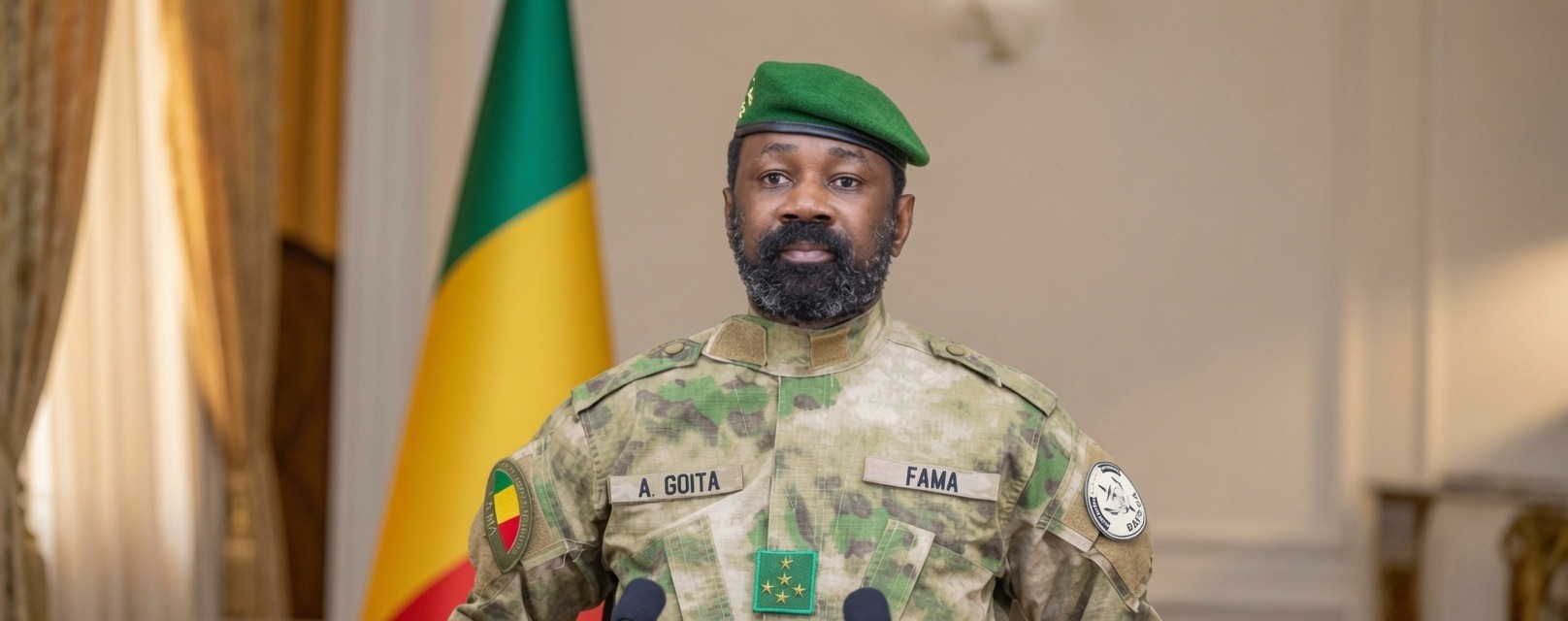
For Colonel Assimi Goïta and Mali’s top brass, the Sévaré trials cannot be dismissed as mere administrative cleanup or a superficial gesture. They serve as a critical alert: no strategy can triumph if command structures allow weapons to fall into enemy hands, if discipline collapses on the battlefield, or if justice remains inconsistent. Before seeking unquestioning public support, Mali’s defense establishment must first address its internal frailties—and plug the leaks draining its power.