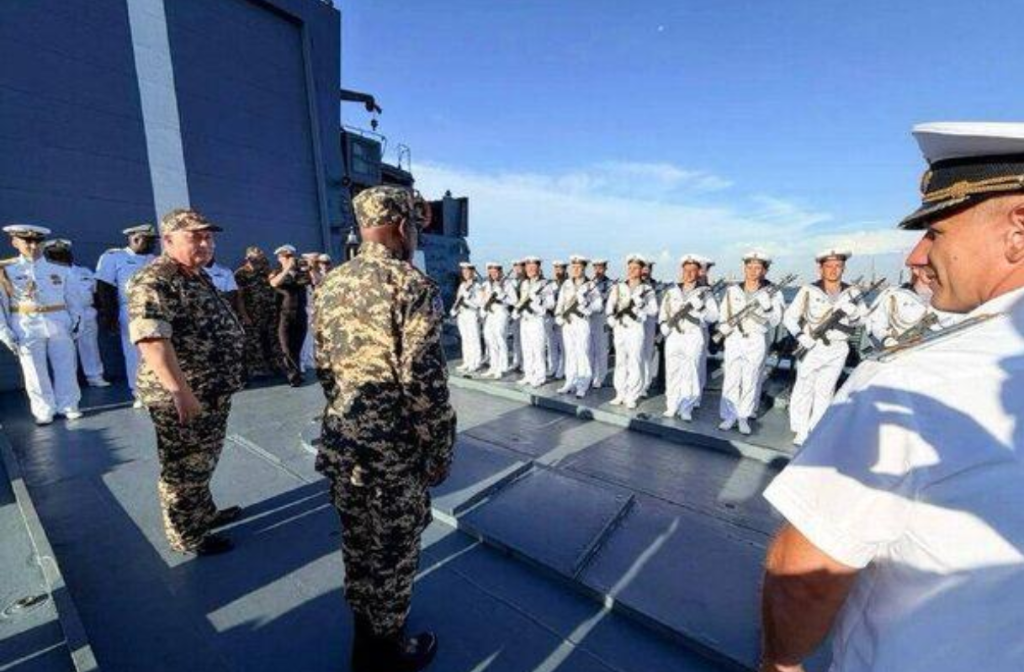
At 41, former African sambo champion William Célestin Fokam met a violent end on Ukraine’s frontlines after enlisting in Russia’s armed forces. His death, reported by local media, forces a urgent question: what drives africans to lay down their lives in a distant war with no connection to their homeland?
The athlete’s journey began as a quest for sporting glory. A two-time African sambo title holder in 2022 and 2023, he traveled to Russia for a tournament—only to swap the tatami for the trenches. How does a trip abroad for competition morph into combat in a foreign conflict? The answer lies in the shadowy web of recruitment that has ensnared growing numbers of africans.
How are africans being pulled into Russia’s ranks?
Fokam’s fate is far from unique. Investigations across continents expose a pattern: africans lured by false promises of jobs, training, or educational opportunities end up in military service. Some arrive expecting civilian roles, only to be coerced into signing contracts they cannot read or refuse.
One investigation uncovered 1,417 africans identified in recruitment lists, with Cameroon, Egypt, and Ghana among the most represented. These figures, though partial, reveal a trend alarming enough to galvanize journalists, researchers, and governments into action.
Survivors describe rushed, inadequate training before deployment, with little understanding of the battlefield risks. Others report being pressured into signing Russian-language contracts under false pretenses, with no clear grasp of their obligations.
The human cost for Cameroon
The crisis hits close to home for Cameroon. Official notes confirm the deaths of 16 Cameroonians fighting for Russia in Ukraine, while independent researchers estimate the toll could exceed 90 since 2023. Behind each number lies a shattered family, a community in mourning, and a government scrambling for answers.
Fokam’s death is not just a personal tragedy—it underscores how a war thousands of miles away now claims lives from a nation with no stake in the conflict. The implications stretch beyond geopolitics, touching the raw nerve of human loss.
Why do africans take the risk?
Economic desperation plays a pivotal role. High unemployment, scarce opportunities, and the allure of stable income can push individuals toward high-stakes decisions. For athletes like Fokam, even a decorated career may not guarantee long-term security.
Yet the core issue is not just poverty—it’s deception. When a promised job as a security guard or a training program morphs into a military contract, the line between choice and coercion blurs. Without transparency, consent becomes questionable.
Can africa protect its citizens?
Governments face a delicate balance: securing their nationals’ safety without severing ties with Moscow. Several, including Kenya, Ghana, and South Africa, have demanded explanations or launched efforts to repatriate their citizens.
Russia denies illegal recruitment, asserting that foreigners may volunteer. But the evidence suggests otherwise. Cameroon must now verify deaths, support grieving families, dismantle local recruitment networks, and educate its people on the dangers of foreign military engagements.
Cross-border cooperation—consular, judicial, and investigative—could help trace the paths that lead africans from their homelands to the frontlines, ensuring no more lives are lost to misleading schemes.
A warning hidden in one athlete’s tragedy
William Célestin Fokam’s death is more than a sports story gone wrong—it’s a cautionary tale. It exposes the gaps in recruitment oversight, the vulnerabilities of those seeking better futures, and the urgent need for accountability.
To prevent further losses, africans deserve clarity: transparent job offers, verifiable contracts, and unbiased information about the risks. Governments must act decisively to shield their citizens from exploitative practices disguised as opportunity.
Ultimately, this is about more than war strategies or international power struggles. Behind the headlines are real people—athletes, workers, dreamers—whose lives are cut short because they trusted the wrong promise. The question remains: how many more must die before the world takes notice?