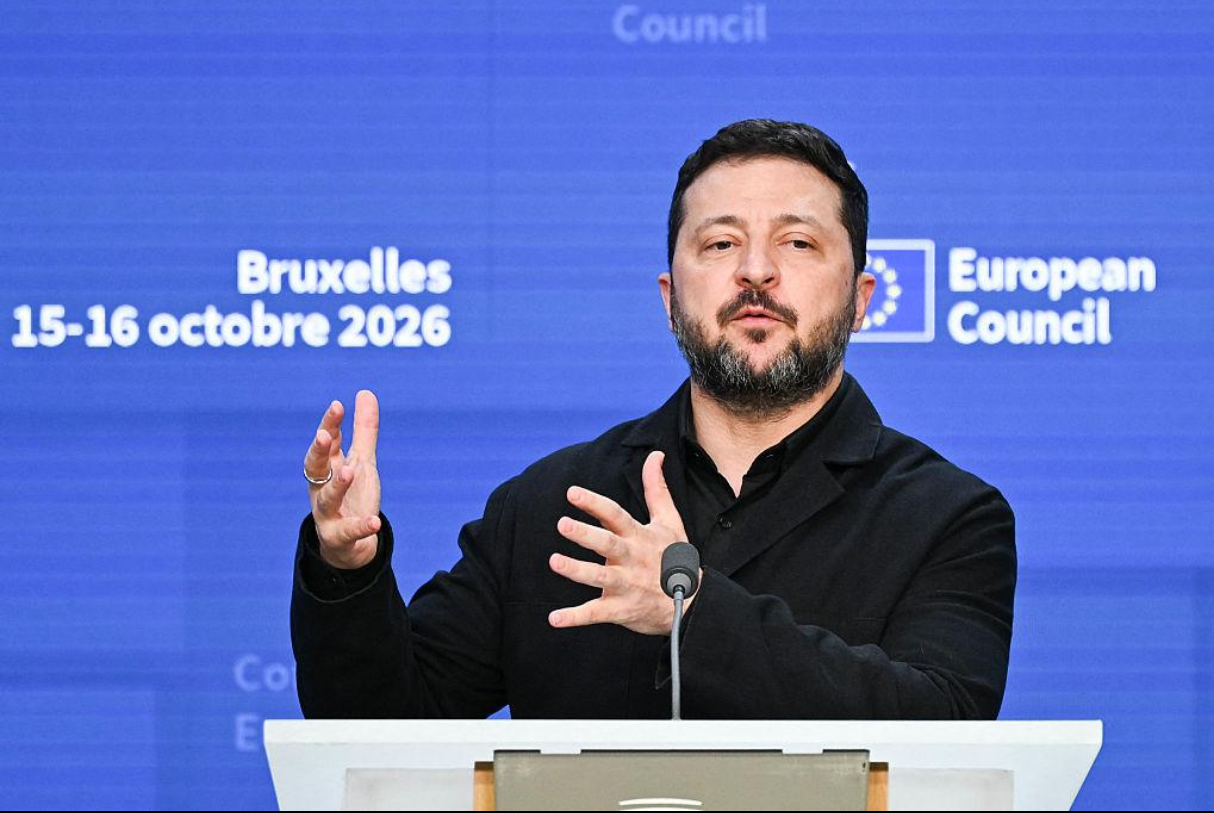
On 21 October 2026, Ukrainian president Volodymyr Zelensky announced his country’s readiness to pause active combat along current military lines—paving the way for talks on long-term security guarantees with Washington and European capitals. Yet the very next day, in a CNN interview, he made it unequivocally clear: freezing the front does not mean recognising Russian claims over occupied regions or surrendering any territory still held by Kyiv.
Freezing fire or freezing sovereignty?
The core dilemma now facing Ukraine is stark: can a ceasefire stop the bloodshed without conceding the land that defines its independence? Zelensky’s two-day messaging underscored this delicate balance. By proposing to freeze the frontline, he signals a willingness to halt hostilities at their current positions—a pragmatic move to end years of devastating conflict. But he draws an unyielding line where it matters most: territorial integrity.
The mechanics of a military pause
In his 21 October remarks to Fox News, the Ukrainian leader framed the frontline freeze as a necessary first step—not an endpoint. Stopping the fighting, he argued, would create space for political dialogue. Critical here is the distinction between de facto military positions and de jure sovereignty. A frozen front would halt the guns on today’s battle lines, yet it would not legalise Moscow’s annexation claims over Donbas,Kherson, or any other occupied region. For Kyiv, the existing contact line is a temporary reality, not a permanent border.
Once hostilities cease, Ukraine’s priority shifts to securing ironclad guarantees from Western partners. Zelensky insists that a mere pause in fighting isn’t enough; without robust mechanisms to deter future aggression, any truce risks becoming a fragile interlude before renewed war. His vision involves a phased process: ceasefire first, then negotiations, followed by the establishment of a security framework strong enough to prevent a Russian resurgence.
Territorial lines that cannot be crossed
On 22 October, Zelensky reinforced his stance in a CNN interview, dismissing any notion of ceding occupied lands or retreating from areas still under Ukrainian control. “Our land is irreplaceable because it’s about people, not kilometres,” he stated, underscoring the human cost of defending every inch of Ukraine. The message was unambiguous: even under a ceasefire, Kyiv will continue to regard occupied territories as Ukrainian.
This position highlights the central contradiction in peace talks: Russia views territorial control as a non-negotiable gain, while Ukraine sees conceding it as betraying its sovereignty. The Donbas epitomises this clash. Moscow demands full control over Donetsk, yet Kyiv refuses to abandon the parts it still holds. A ceasefire might reduce violence, but it won’t resolve the underlying dispute fueling the war.
Security guarantees as the real test
Beyond the frontline, the durability of any agreement hinges on security guarantees. Ukraine needs reassurances strong enough to deter Russia from restarting hostilities post-truce. This is where the US and European allies become crucial. But critical questions linger: what form would these guarantees take? What military or diplomatic commitments would Western partners be willing to make? And how would they respond if Russia violated the terms?
Zelensky’s CNN comments also touched on recent strains in US-Ukraine relations, particularly regarding military aid and communication systems vital to Ukrainian forces. Despite these frictions, he still views America as indispensable to any lasting solution. European support is equally vital. Ukraine expects its partners not just to endorse a ceasefire but to contribute to its long-term security. However, the concrete nature of these commitments will depend on political negotiations among the involved states.
A fragile diplomatic opening
Zelensky’s proposal marks a diplomatic overture, yet it falls short of signaling an imminent peace deal. Russia and Ukraine remain at odds over territory, ceasefire terms, and the security guarantees required to prevent a war resumption. Russian president Vladimir Putin has indicated a willingness to reopen US-mediated talks, though his vision of a durable settlement remains tied to Moscow’s security demands—many of which Kyiv finds unacceptable.
At its heart, Ukraine’s proposal raises a pivotal question: is it feasible to halt the fighting without immediately resolving the status of contested territories? For Kyiv, the answer lies in separating the current military reality from the legal recognition of borders. A frozen front could serve as an initial step toward de-escalation—but only if all parties accept its terms and if credible guarantees accompany the truce.
Until Russia and Ukraine reconcile their incompatible demands on sovereignty and security, the prospect of lasting peace will remain elusive. Caught between the urgent need to stop the killing and the absolute refusal to surrender its land, Ukraine is charting a narrow diplomatic path—one that may open the door to negotiations, though it offers no certainty on where they will lead.