The fuel shortage threatening Niger’s economic lifelines
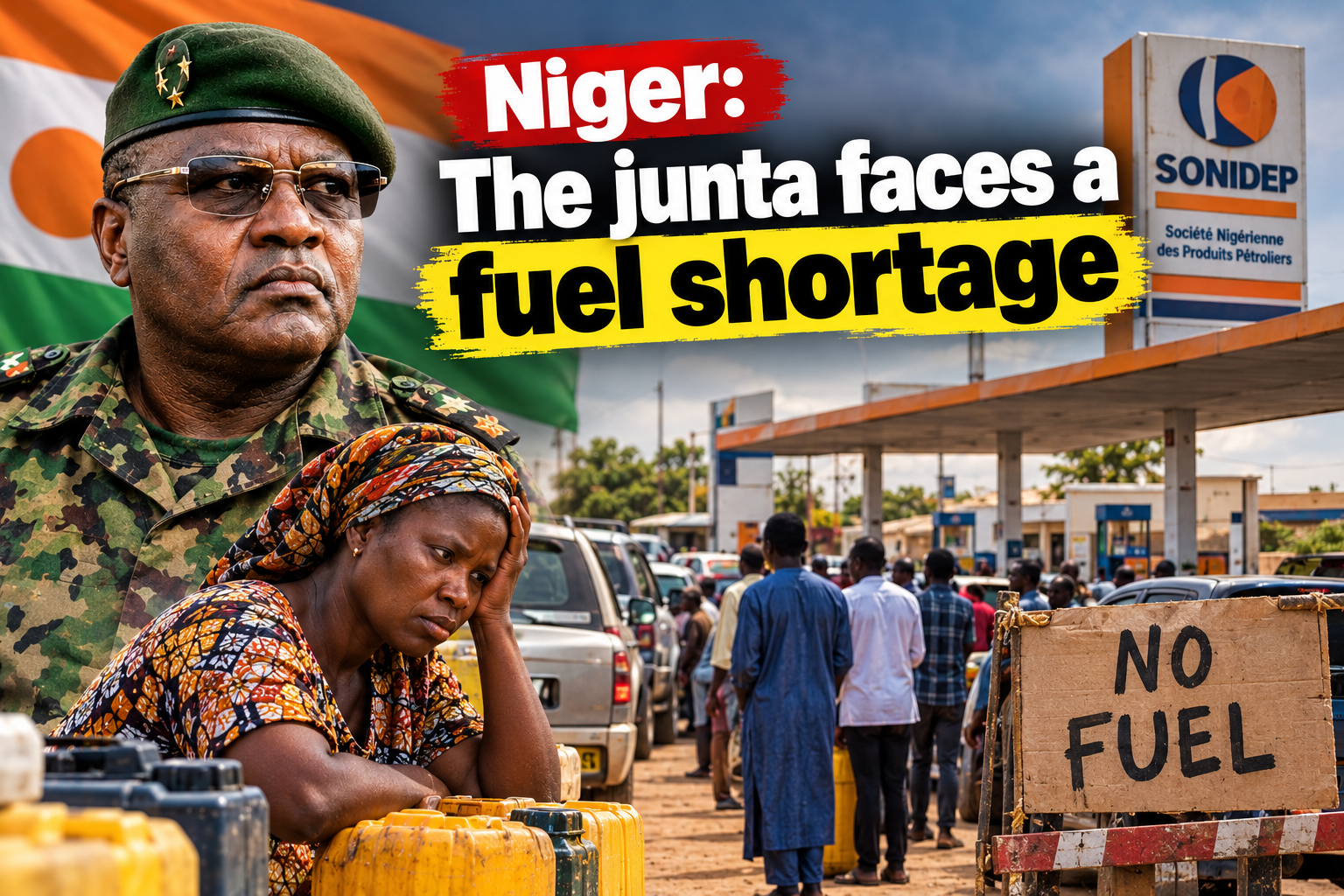
In Niamey, fuel shortages are increasingly disrupting daily life, straining commercial activity, and fueling public frustration. A country that produces oil yet struggles to supply its own markets is facing a critical question: how can Niger guarantee energy security when its greatest resource cannot reliably reach its people?
From oil reserves to empty fuel pumps
What begins as a line at the pump can spiral into a national crisis. Fuel scarcity in Niger is no longer confined to remote border regions; it has spread to the capital, where drivers spend hours searching for scarce supplies, businesses face operational slowdowns, and transportation costs rise unpredictably. For many citizens, securing fuel has become an additional burden on top of persistent economic hardships.
The situation exposes a troubling paradox: despite being an oil producer, Niger cannot consistently ensure the availability of gasoline and diesel. The pipeline from production sites to filling stations involves multiple critical stages refining, storage, transport, and distribution any of which can disrupt supply. Whether due to logistical bottlenecks, distribution inefficiencies, or unmet demand, the result is the same: empty tanks and frustrated consumers.
Who bears the heaviest burden?
The ripple effects of fuel shortages extend far beyond gasoline stations. Taxi drivers see their livelihoods shrink as fares become unaffordable. Small business owners struggle to transport goods, leading to price increases and reduced availability of essentials. Working families face rising transport costs, undermining their purchasing power and adding pressure to already strained household budgets. In a nation where oil should be a source of strength, it has instead become a point of vulnerability.
Military leadership under scrutiny
The timing of this crisis adds political weight to the economic strain. Since assuming power following the July 2023 coup, the military junta has positioned itself as a guardian of national sovereignty, promising to reclaim control over Niger’s resources and destiny. Fuel shortages, however, force a tougher question: can sovereignty be claimed without ensuring the basic needs of the people?
For the government, the challenge lies not only in controlling oil reserves but in converting that control into tangible benefits for citizens. When fuel a resource essential for mobility, commerce, and daily functioning becomes unreliable, public confidence in leadership is tested. Citizens no longer judge sovereignty by declarations alone but by their ability to access what their country produces.
A crisis of credibility, not just supply
This is less about assigning blame and more about demanding accountability. The junta faces a dual challenge: first, to diagnose the root causes of shortages with clarity, and second, to restore stability through transparent communication and concrete action. Without clear data on available stocks, production volumes, and distribution bottlenecks, the gap between promise and reality widens.
Public trust erodes not only when goods are scarce but when authorities fail to explain why. A transparent review of the supply chain identifying where delays occur, which infrastructure is failing, and what measures are being taken could help differentiate temporary disruptions from systemic weaknesses in resource management.
The human cost of energy insecurity
Fuel is the invisible thread that stitches together Niger’s economy. It powers ambulances, school buses, and market deliveries. It fuels generators during power outages and keeps agricultural products moving to markets. When that thread frays, the consequences are immediate and widespread rising prices, lost income, and disrupted services.
The irony deepens when considering that Niger, an oil producer, must import refined fuels due to limited domestic refining capacity. This exposes a critical flaw: resource wealth alone does not translate into energy security. Without reliable refining, storage, and distribution networks, oil reserves remain an untapped asset rather than a driver of stability and growth.
From crisis to opportunity
For the junta, this moment presents a test of leadership and vision. The path forward requires more than short-term fixes; it demands systemic improvements in energy infrastructure, supply chain reliability, and regulatory oversight. Introducing clearer tracking of fuel distribution, increasing transparency in stock management, and accelerating efforts to expand refining capacity could help prevent future crises.
Moreover, addressing public concerns with honesty and urgency could turn skepticism into support. Citizens are not asking for perfection, but for accountability evidence that their resources are being managed in their interest, not just for political rhetoric.
Fueling the future: sovereignty through action
The paradox is clear: Niger sits on oil wealth yet struggles with fuel shortages. Solving this dilemma is not just an economic imperative; it is a political one. The junta’s ability to stabilize fuel supply will determine whether sovereignty is a slogan or a lived reality for its people.
As long as citizens continue to face uncertainty at the pump, the pressure on authorities will grow not just to explain the problem, but to solve it. In the end, the true measure of national independence lies not in the ground beneath Niger’s soil, but in the reliability of the pumps that serve its people.
By Élise Ntamag — Journalist