Keita, Niger — Authorities in Niger’s Keita Department took decisive action yesterday to prevent escalating violence between farmers and herders during the critical harvest period. A high-level delegation, led by the Prefect, conducted an intensive field operation in Ibohamane’s rural communes, reinforcing coexistence rules and defusing tensions in key conflict zones.
Field mission targets high-risk areas during transhumance season
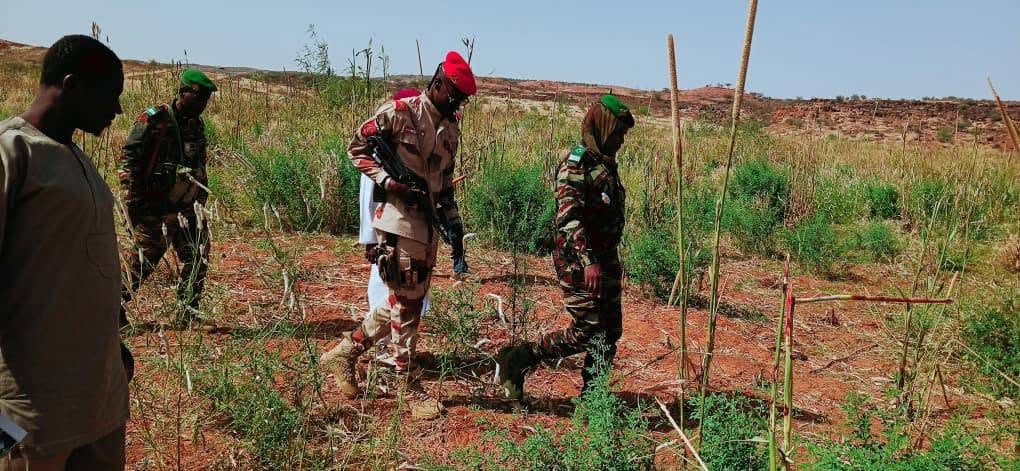
The operation launched on October 20, coinciding with peak transhumance when cattle herds migrate through agricultural lands still in cultivation. Authorities identified Inkimkara, Inwagar, and Labanda as particularly vulnerable zones where competition over land and water resources often sparks violent confrontations. The Prefect, accompanied by security, livestock, and traditional leaders, engaged directly with local communities to enforce seasonal migration corridors and protect farmland from livestock incursions.
Clear rules enforced to safeguard crops and livestock
The administration issued strict directives to herders, requiring immediate relocation of cattle from active farm zones to designated grazing areas until harvests conclude. Simultaneously, farmers were urged to safeguard transhumance routes to water points and avoid interfering with legally recognized livestock corridors. Officials emphasized that violations would incur penalties under existing land-use regulations, aiming to establish accountability across all groups.
Immediate interventions reduce flashpoints
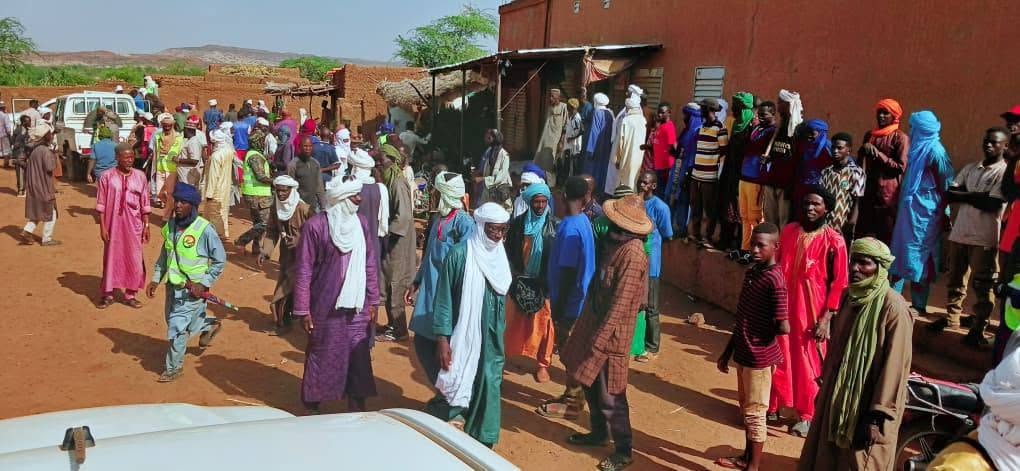
Within hours of the mission’s launch, several cattle herds were redirected away from cultivated plots in Labanda, eliminating immediate friction points. Local chiefs reported a visible reduction in daily disputes by evening, attributing the calm to the authorities’ visible presence and enforcement of movement restrictions. The operational team documented all interventions to ensure transparency and subsequent follow-up.
Community dialogue prioritized over confrontation
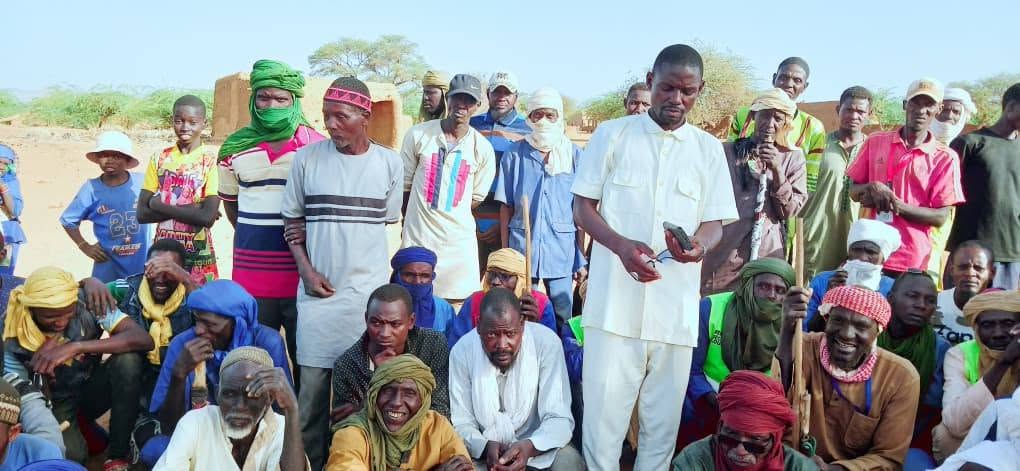
Throughout the six-hour operation, authorities hosted grassroots assemblies in each village, collecting testimonies from farmers and herders. The Prefect reiterated the government’s commitment to equitable resource distribution while warning that spontaneous violence would face swift legal consequences. By sunset, the delegation had instigated joint patrols between agricultural cooperatives and livestock associations to monitor compliance with the new directives.
A long-term framework for peaceful coexistence
While yesterday’s initiative targeted urgent risks, officials acknowledged that sustainable solutions require continuous collaboration. Plans are underway to establish a permanent mediation committee linking pastoralist unions, farming collectives, and security forces. The Prefect underscored that Keita’s economy hinges on this fragile balance, making proactive governance critical to preventing seasonal violence from spiraling into broader instability.
Concluding the operation at 5:30 PM, the Prefect declared the mission a success, citing restored order in all intervention zones. The government now faces the challenge of maintaining this momentum through winter grazing allocations and pre-harvest planning for 2027. For local residents, the message is unambiguous: shared resources demand shared responsibility.