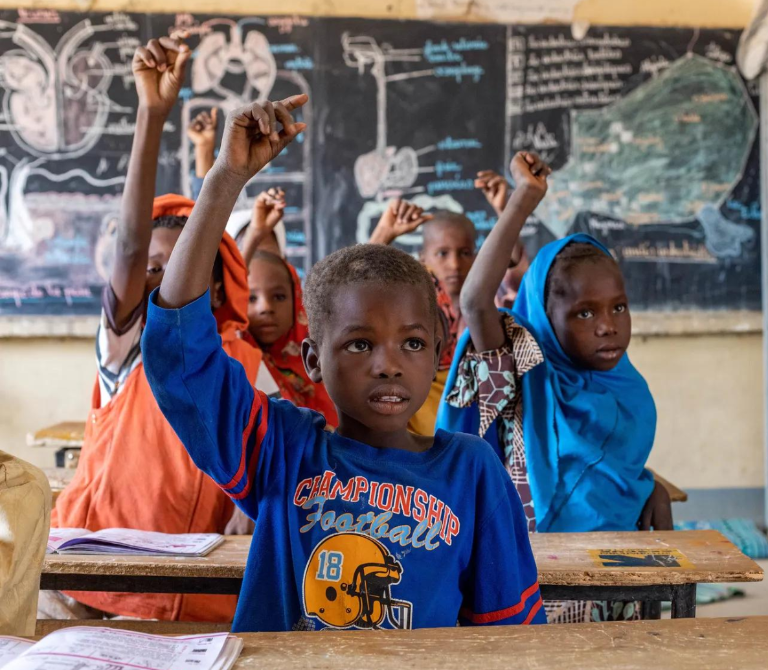
In Diffa, the reopening of schools to all communities signals a major shift in Niger’s approach to education rights. But the decision arrives at a critical juncture: can security concerns ever justify excluding entire groups from learning opportunities?
Why Diffa’s inclusive school reopening matters for Niger’s future
Local authorities in Diffa have reversed previous restrictions that had limited access to education for specific communities. The move follows administrative measures from late 2026 that targeted several groups, including the Mohamid community, sparking national debates over fundamental rights and security justifications.
The region, located along the Lake Chad basin, faces persistent insecurity linked to armed groups, including Boko Haram. While authorities argue that closures were necessary to protect schools and students, the new policy aims to restore educational continuity without penalizing entire populations.
Security vs. rights: the fine line in Diffa’s education policy
Niger’s government defended earlier restrictions as essential measures to prevent threats to students and teachers. In high-risk areas, school closures were framed as temporary protective steps. Yet reports indicated that some closures extended beyond security concerns, citing misuse of public infrastructure by certain communities as a justification.
This raises a critical question: when does security enforcement become collective punishment? International law, including the UN Convention on the Rights of the Child, prohibits discrimination and ensures all children have access to education regardless of their background. The shift in policy suggests a recalibration of this balance, but challenges remain.
How did restrictive measures impact Diffa’s most vulnerable students?
Before the reversal, reports highlighted severe disruptions:
- School closures affecting hundreds of children, particularly those from the Mohamid community;
- Interruptions to water access via public boreholes, compounding health and sanitation risks;
- Delays in civil registration, complicating enrollment and access to public services.
The new policy aims to reverse these effects, but the damage to educational progress—lost learning time, dropout risks, and psychological strain—may linger without sustained support.
What’s next for Diffa’s education system?
Restoring equitable access to school is just the beginning. Authorities must ensure:
- Teacher availability and safe transport to classrooms;
- Restoration of essential services disrupted by earlier restrictions;
- Transparent communication to rebuild trust between communities and institutions.
While the reopening offers hope, the road ahead demands structural solutions—beyond policy announcements—to prevent future exclusions.
Schools as pillars of national unity in Diffa
The goal isn’t merely restarting classes—it’s reaffirming education as a shared public good. Schools in Diffa must remain neutral spaces where all children, regardless of origin, can learn, socialize, and develop future prospects.
This inclusive approach strengthens social cohesion at a time when Niger faces compounding crises. It sends a message: education rights cannot be side-lined for security expedience, especially when alternatives exist. The immediate challenge now is turning policy into practice—and ensuring no child falls through the cracks.
The ultimate test for Niger’s commitment to children’s rights
Diffa’s experiment could set a precedent. If implemented effectively, it may redefine how Niger balances security and rights. But it also risks becoming a hollow gesture if follow-through falters. The stakes are clear: a generation’s future hinges on whether inclusive education becomes permanent reality or remains an unfulfilled promise.