Three Sahel nations unite for Afcon 2032 bid
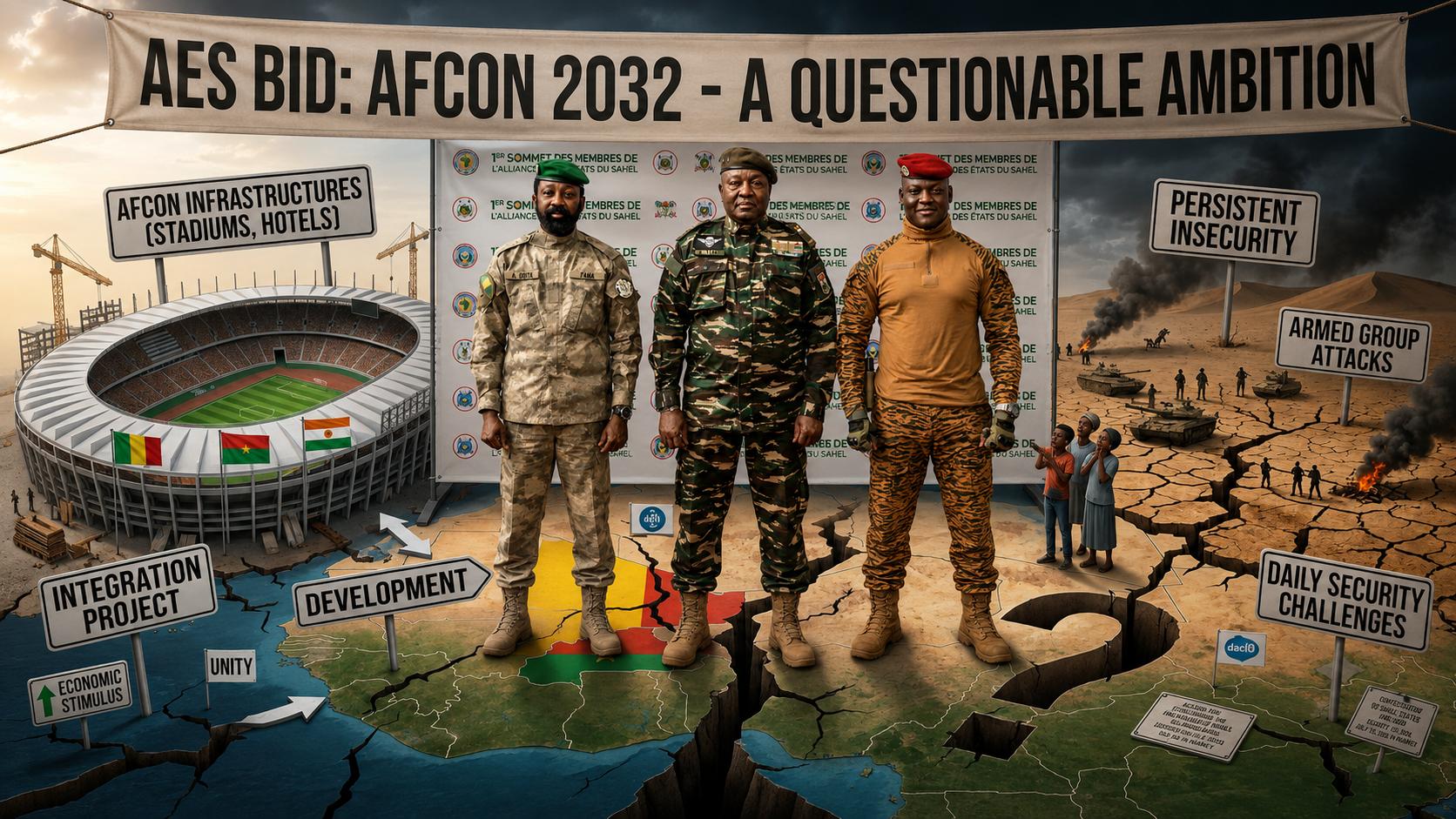
The governments of Burkina Faso, Mali and Niger have submitted a joint bid to host the 2032 Africa Cup of Nations (Afcon), positioning it as a symbol of solidarity within the Alliance of Sahel States (AES). While framed as a unifying gesture for West Africa, the proposal raises pressing questions about the region’s readiness to stage the continent’s premier football tournament.
Hosting Afcon is not merely about constructing or upgrading stadiums; it requires a secure environment capable of protecting players, officials, media representatives, supporters and hundreds of thousands of visitors throughout the tournament. This is where the three-nation bid faces its sternest scrutiny.
Security remains a critical hurdle
Since military-led governments assumed power in each country following recent coups, restoring security and regaining control over insurgent-held territories have been central to their legitimacy. Yet despite these pledges, attacks on civilians, security forces and critical infrastructure continue across the three nations. Many areas remain under the grip of armed groups, casting doubt on the feasibility of staging such a high-profile event.
Critics argue that announcing a bid for Afcon 2032 may misalign with immediate national priorities. Before welcoming thousands of foreign tourists and delegations, these countries must first demonstrate that their own citizens can travel and live safely within their borders.
Logistical and financial pressures mount
The demands of hosting Afcon are substantial: robust road and airport networks, a sufficient supply of quality hotels, advanced medical facilities and a reliable security framework. Meeting these requirements demands significant investment, just as all three governments allocate substantial resources to countering insurgency.
The international credibility of the bid also hangs in the balance. Organisers, broadcasters, sponsors and commercial partners prioritise stability above all else. Persistent violence or instability could undermine the bid’s viability in the eyes of these key stakeholders.A test of governance and stability
This bid has reignited debate over national priorities in Burkina Faso, Mali and Niger. For many citizens, the most urgent expectation following the military transitions has been the restoration of daily security. Yet despite promises of more effective counter-insurgency efforts, violence continues to plague several regions, casting doubt on the progress of these transitions.
Some observers contend that before pursuing Afcon 2032, the three nations should first deliver tangible improvements in security, governance and stability. The scale of the tournament demands ironclad assurances for participants and spectators alike—but also for the local populations who must live with the consequences of these decisions.
Can Afcon be a catalyst for progress?
While a successful bid could serve as a unifying project and a catalyst for development, its credibility hinges on more than political rhetoric. It will depend on the ability of these states to achieve lasting security, strengthen institutions and foster an environment of trust. Until these core challenges are addressed, many will argue that the priority should remain firmly on protecting citizens—not on hosting a continental football spectacle.