Gold extraction in Cameroon and the Democratic Republic of Congo is drawing attention due to persistent transparency gaps. Despite regulatory efforts, gold revenues are rarely reaching state coffers as expected. A recent report by the Institute for Security Studies (ISS) highlights these shortcomings, revealing a stark disparity between declared exports and actual transactions.
Gold exports: a tale of missing revenues
The Extractive Industries Transparency Initiative (EITI) reported that Cameroon officially exported only 22 kilograms of gold in 2023. However, import records from trading partners indicate purchases totaling 15 metric tons. This glaring discrepancy raises serious questions about accountability in the gold supply chain.
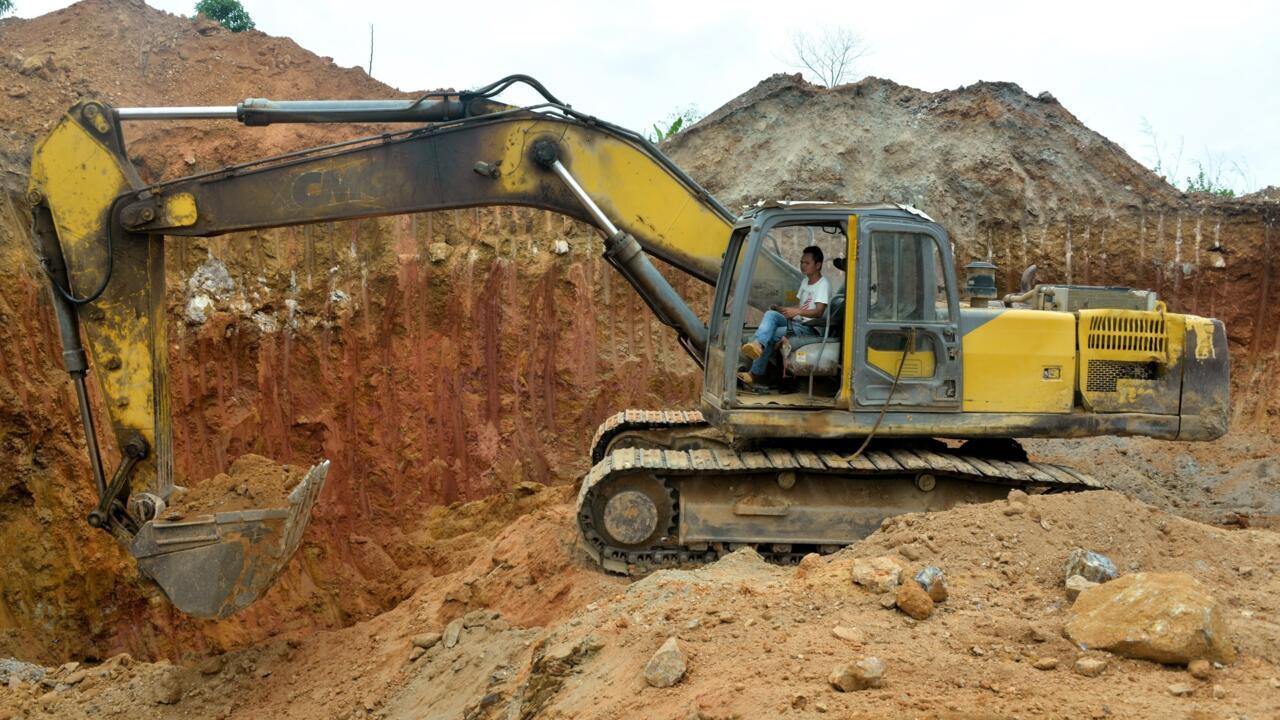
The report underscores that while national and international operators continue to profit from gold mining, the financial benefits for local communities remain minimal. This imbalance fuels concerns over illicit trade, tax evasion, and weak governance in the sector.
Calls for stricter oversight
Professor Aïcha Pemboura, a researcher at the Observatory on Organized Crime and Violence in Central Africa, emphasizes the urgent need for transparency. She argues that both domestic and foreign operators must be held accountable for their role in the gold trade. Without robust monitoring, the sector’s potential to drive economic growth will remain unfulfilled.
Pemboura’s insights align with broader regional concerns. In the Democratic Republic of Congo, similar issues persist despite the country’s rich gold deposits. Local communities often bear the brunt of environmental degradation and economic exclusion, while profits flow to external entities with little oversight.
Challenges in enforcement
Efforts to improve governance in gold mining face significant hurdles. Weak regulatory frameworks, limited institutional capacity, and corruption undermine enforcement. Additionally, the involvement of multinational corporations complicates oversight, as they often operate across multiple jurisdictions with varying compliance standards.
The report suggests that strengthening regional cooperation and adopting stricter due diligence measures could mitigate these challenges. Transparent reporting and independent audits are critical to ensuring that gold revenues contribute to sustainable development.
The gold mining sector in Cameroon and the Democratic Republic of Congo stands at a crossroads. Without decisive action, the cycle of exploitation and lost revenue will continue, depriving local economies of vital resources. The time for accountability is now.