Cameroon’s shifting political sands: Edgar Alain Mebe Ngo’o’s dramatic fall from grace
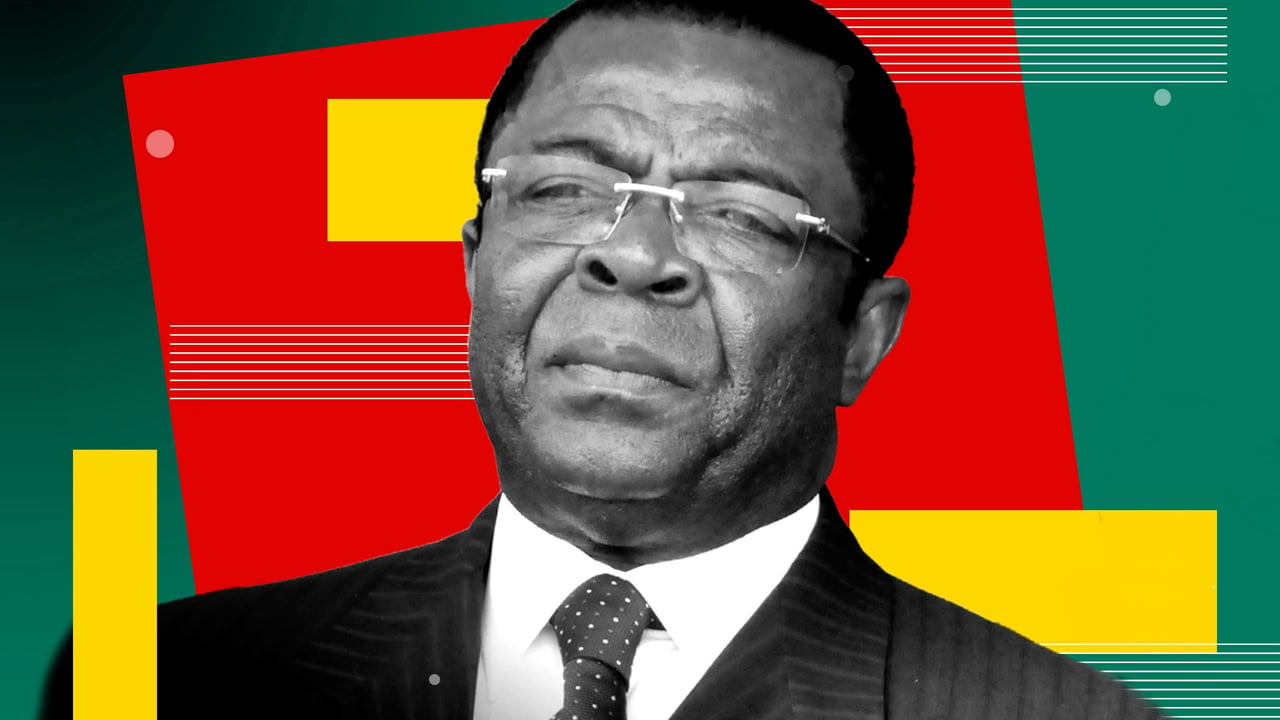
Few political careers in Cameroon have mirrored the country’s turbulent power dynamics quite like that of Edgar Alain Mebe Ngo’o. Once a towering figure within the Cameroonian establishment, his trajectory from trusted security chief to political pariah reflects deeper shifts in the nation’s leadership landscape.
From trusted insider to public dismissal
Mebe Ngo’o’s rise was marked by unwavering loyalty to the state apparatus, particularly during his tenure as Minister of Defense. His influence peaked under President Paul Biya’s long-standing rule, where security portfolios were both a shield and a sword in the hands of the presidency.
Yet power in Cameroon has always been a double-edged sword. Those who wield it too openly or challenge the status quo often find themselves on the wrong side of the president’s shifting priorities. Mebe Ngo’o’s abrupt downfall underscores a recurring pattern: no Cameroonian official, regardless of rank, is immune to the president’s unpredictable reshuffles.
The invisible hand of power: how careers are made and broken
Since assuming office in 1982, President Paul Biya has reshaped Cameroon’s political elite with calculated precision. His leadership style—often inscrutable—relies on a delicate balance of patronage and punishment. Security officials, once indispensable, can become liabilities overnight when their usefulness wanes or their ambitions grow too visible.
Mebe Ngo’o’s case is not unique. He joins a long line of high-profile figures—from Titus Edzoa to Ephraïm Inoni—who rose to prominence only to face abrupt reversals. Their stories serve as cautionary tales: in Cameroon, political survival demands perpetual alignment with the president’s vision.
Security and politics: a marriage under strain
The security sector has long been a breeding ground for political ambitions in Cameroon. Mebe Ngo’o’s background exemplifies this trend—his career flourished within the military before transitioning into civilian governance. Yet his eventual removal signals a broader unease: the presidency’s growing distrust of figures who might overshadow it.
This tension is particularly acute in a nation grappling with security challenges, where the line between protecting the state and protecting one’s own interests can blur dangerously. Mebe Ngo’o’s fall may reflect a deliberate strategy to centralize power further, ensuring no single individual becomes a rival center of gravity.
> What’s next for Cameroon’s political elite?
The question now looms: who will be next to navigate the treacherous waters of Cameroonian politics? With President Biya’s grip on power tightening, the stakes have never been higher. For those in the security apparatus, the message is clear: loyalty is paramount, and ambition must never eclipse obedience.