In the revised finance bill tabled on July 17, a single line item stands out for its staggering impact: the mining sector’s corporate tax revenue has collapsed by 97%, plummeting from 53.2 billion to just 1.47 billion CFA francs. No other taxpayer group faces such a drastic reduction. For a nation banking on extractive industries to wean itself off oil dependency, this write-down represents a 51.8 billion CFA franc shortfall—close to €80 million—on a single fiscal line.
Budget overhaul clashes with Gabon’s mining ambitions
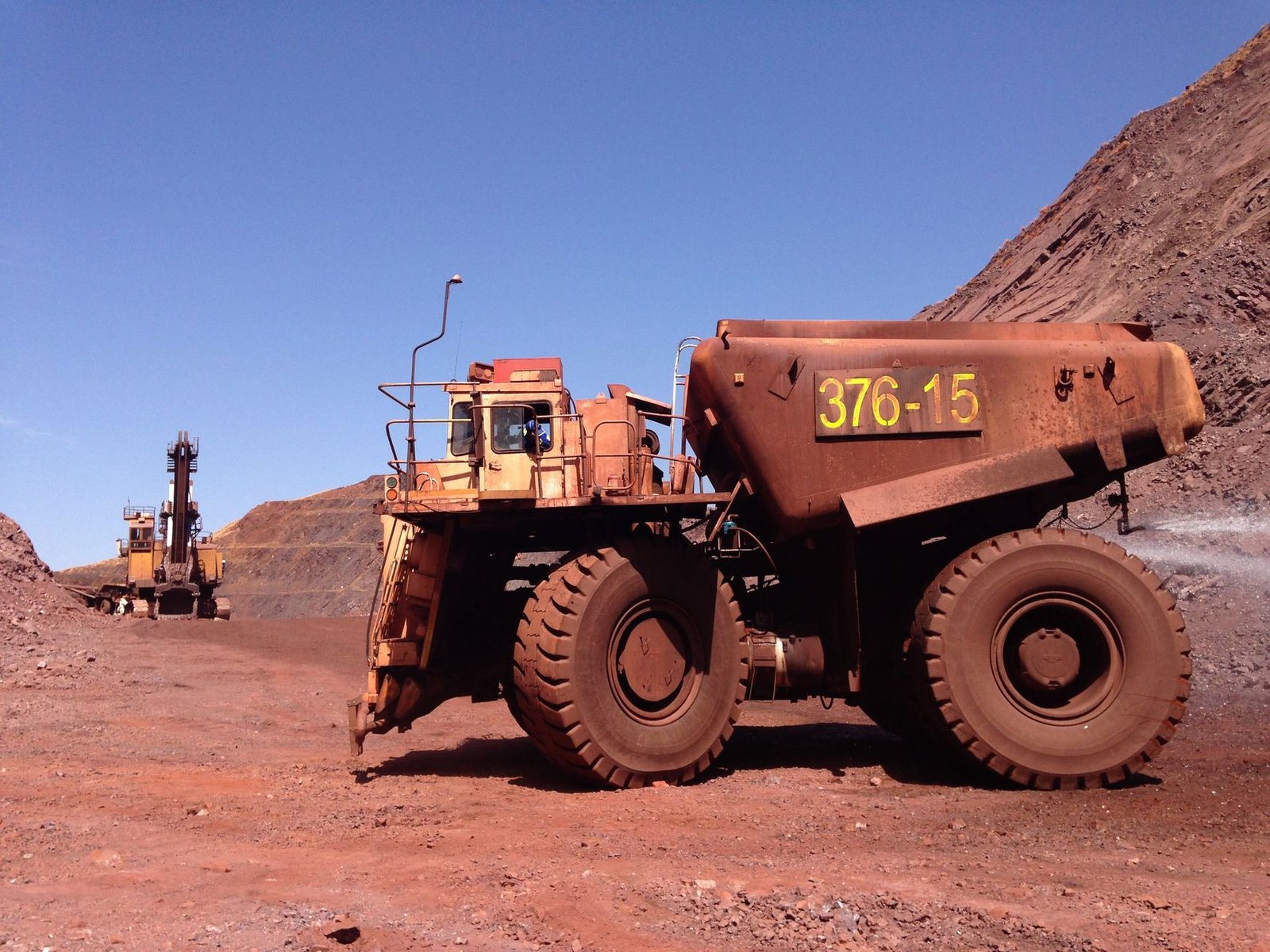
Manganese, alongside timber and crude oil, ranks as Gabon’s third-largest foreign-exchange earner. The country ranks as the world’s second-largest producer of the mineral, largely mined in Haut-Ogooué by Comilog, a subsidiary of French group Eramet, and Nouvelle Gabon Mining. Since the 2023 military takeover by the Comité pour la transition et la restauration des institutions (CTRI), authorities have repeatedly vowed to squeeze more fiscal yield from mining concessions—yet the revised budget now does the opposite.
Multiple factors may explain the drop. International manganese prices have shed ground since mid-2024, after an Australian mine fire earlier that year triggered a temporary spike. Lower prices have eroded operators’ profitability in Gabon, shrinking the tax base accordingly. Still, the chasm between initial projections and actual collection raises questions about the reliability of budget assumptions.
Extractive rents test fiscal transparency pledge
The issue carries extra weight because Gabon has re-engaged with the Extractive Industries Transparency Initiative (EITI) after years of absence. The 51.8 billion CFA franc gap equates, for comparison, to several months of civil-service payroll in some key ministries. The shortfall arrives as Libreville negotiates a new IMF support package amid liquidity strains and heavy reliance on BEAC regional markets to meet month-end obligations.
Local analysts highlight a glaring mismatch between rhetoric and accounts. The transitional authorities vowed in late 2023 to review every mining and oil convention, aiming to renegotiate fiscal terms deemed unfavorable. Yet two years later, the mining sector’s effective corporate-tax take barely reaches 3% of the original target, with no official explanation for the macroeconomic or contractual assumptions behind the revision.
Mixed signals ahead of critical budget decisions
The timing is pivotal: Gabon must soon publish its multi-year budget framework and choose between sustaining flagship infrastructure projects and reining in the deficit. A 51.8 billion CFA franc revenue hole forces the government to recalibrate, either by slashing spending or boosting domestic borrowing. Multilateral lenders will closely watch how the executive justifies the gap to the transitional parliament.
For mining operators, the episode sends conflicting messages. On one side, the lower effective tax burden provides breathing room during a down-cycle in prices. On the other, it fuels political risk by stoking national debate over fair resource compensation. When the 2026 budget lands this autumn, it must clarify whether the adjustment is a temporary blip or a lasting shift in Gabon’s mining tax take.