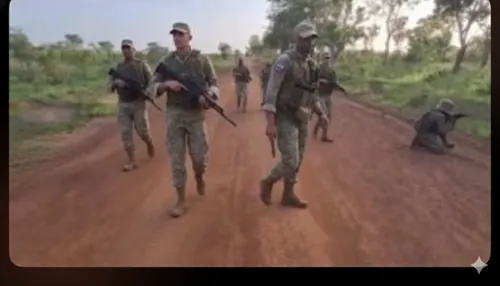
The political landscape in Lomé is experiencing heightened tension as opposition factions raise concerns over the alleged deployment of troops linked to the Africa Corps and Turkish forces in the northern areas of the country. Reports of foreign military personnel operating near critical border zones have intensified debates over national sovereignty and security.
unconfirmed claims spark political debate
Opposition leaders in Togo have voiced serious apprehensions regarding the presence of foreign military units in the northern regions. While no official confirmation has been provided, speculation about the involvement of the Africa Corps and Turkish military personnel has dominated recent discussions, fueling uncertainty and mistrust among political stakeholders.
concerns over national security and autonomy
The alleged deployment has triggered a wave of questions about Togo’s ability to safeguard its borders independently. Critics argue that the presence of foreign troops could undermine the country’s sovereignty, raising concerns about long-term implications for regional stability and diplomatic relations in West Africa.
In light of these developments, political analysts emphasize the need for transparency and clear communication from government authorities to address public concerns and prevent further speculation.
regional dynamics and foreign influence
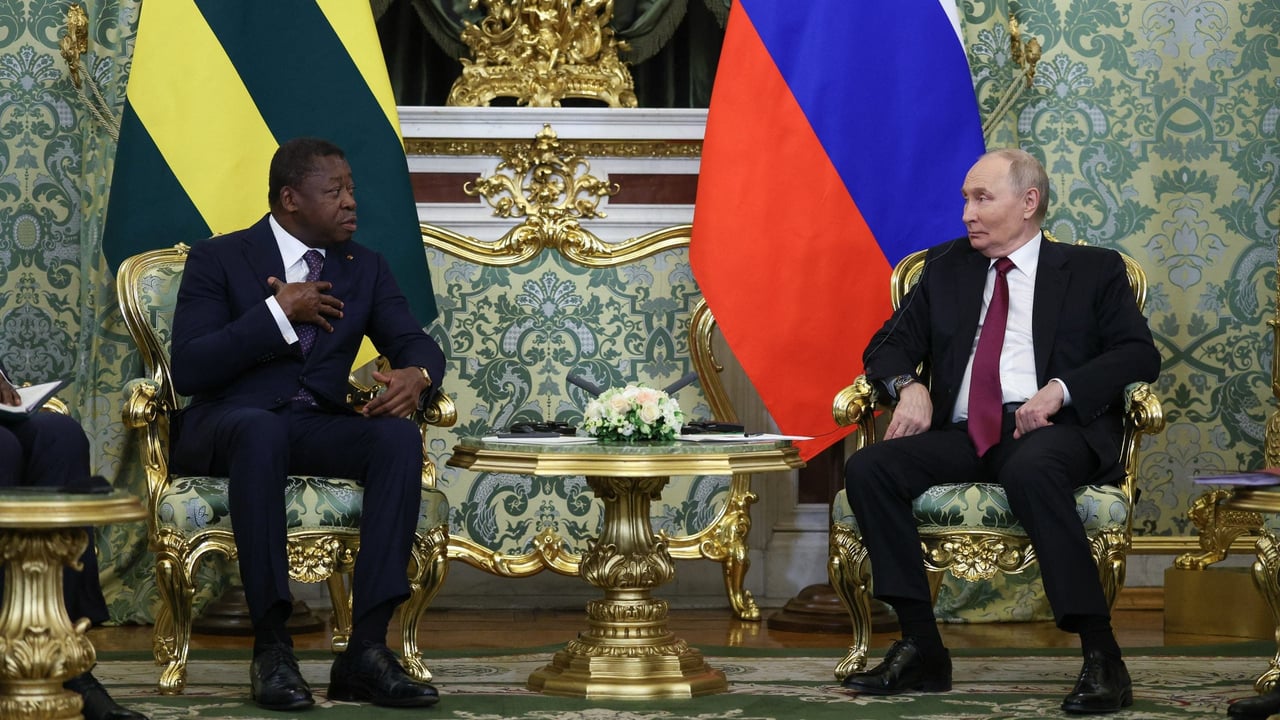
The situation in Togo unfolds against a backdrop of shifting alliances in West Africa, where external actors are increasingly involved in security arrangements. The Africa Corps, a group with ties to Russian military structures, and Turkish forces have become focal points in discussions about foreign military engagements on the continent. While their exact roles remain unclear, their presence in neighboring regions has added complexity to local security dynamics.
what’s next for Togo’s security framework?
As Togo navigates these developments, the government faces mounting pressure to clarify the nature of foreign military involvement and reassure citizens about the country’s security posture. The opposition’s stance underscores broader concerns about the balance between international partnerships and national independence in an era of evolving geopolitical alliances.