Ibrahim Traoré challenges arab slavery legacy in bold televised speech
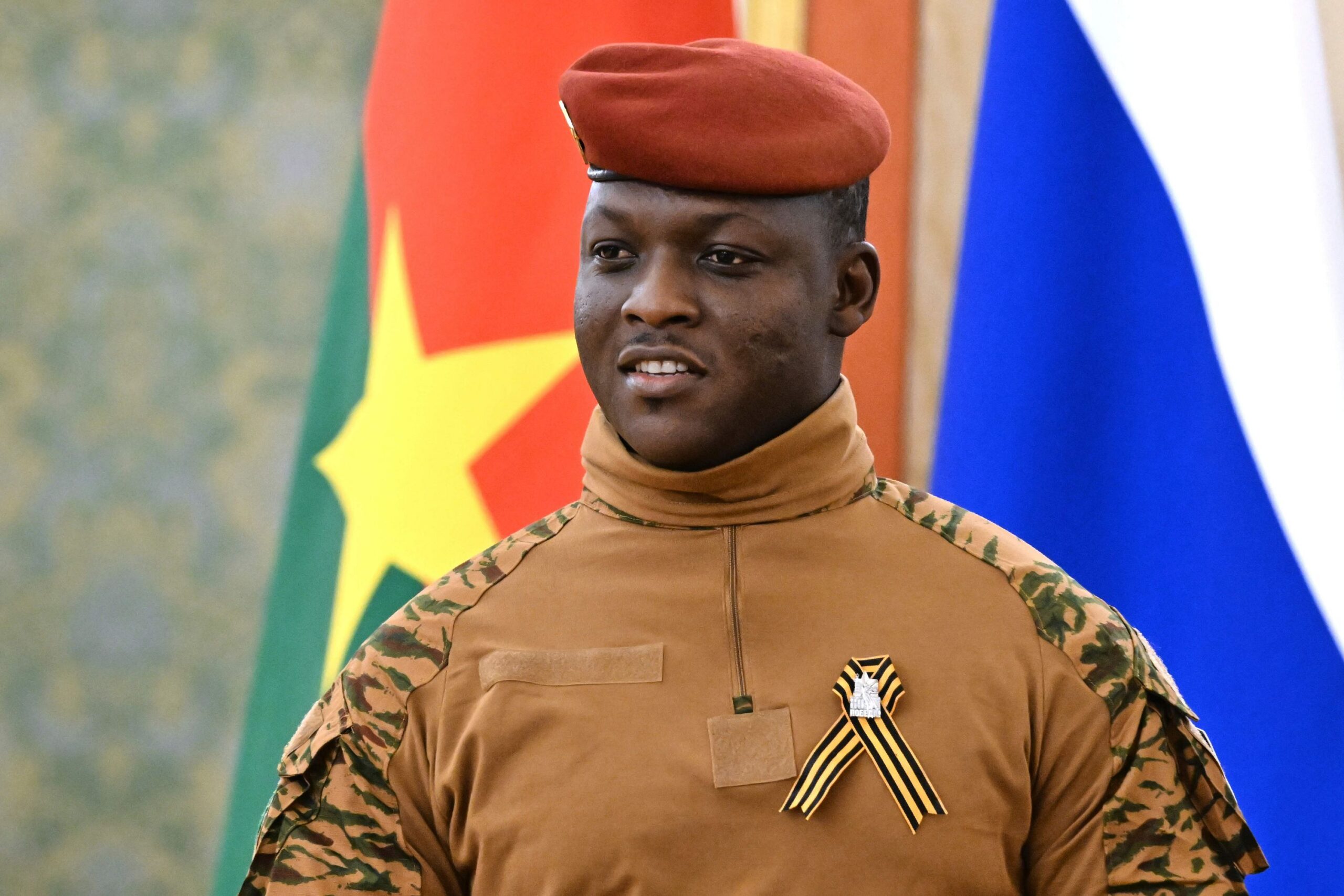
In a nationally televised address, Burkina Faso’s leader Ibrahim Traoré openly addressed centuries of Arab-driven slavery against African populations—a historic acknowledgment that has sparked intense debate across the Muslim world.
Addressing the nation from the presidential palace, Captain Ibrahim Traoré did not shy away from one of Africa’s most painful historical realities. Speaking to millions of viewers, he condemned the trans-Saharan slave trade that devastated African societies for generations, emphasizing how these long-standing injustices continue to shape contemporary geopolitical tensions.
The president’s remarks came during a broader discussion on national unity and regional security, where he linked historical grievances to current threats posed by extremist ideologies. Traoré argued that confronting this dark chapter is essential for Burkina Faso’s fight against radicalization and for fostering a more inclusive national identity.
Global reactions to a controversial stance
The president’s unfiltered commentary immediately triggered reactions beyond Burkina Faso’s borders. Religious leaders and scholars in predominantly Muslim nations have criticized Traoré’s statements as divisive, while civil rights advocates praised his courage in addressing a taboo subject that has long been omitted from public discourse.
Diplomatic observers note that Traoré’s speech reflects a growing trend among African leaders who are increasingly vocal about historical injustices perpetrated by external powers. This shift comes as regional governments seek to strengthen sovereignty and address internal security challenges linked to extremist groups.
Historical context behind the controversy
The trans-Saharan slave trade, which lasted for over a thousand years, saw millions of Africans forcibly taken across the Sahara Desert to be sold in markets across North Africa and the Middle East. While this history is well-documented in academic circles, it remains a sensitive topic in many African-Muslim communities where religious and ethnic identities are deeply intertwined.
Traoré’s decision to publicly acknowledge this legacy represents a departure from traditional diplomatic silence on the issue, positioning Burkina Faso at the forefront of a movement calling for historical accountability and reparative justice.