Cameroon faces growing questions over Paul Biya’s prolonged absence
Rumors about his health have intensified in both traditional media and online discussions, amplifying calls for official clarity on his whereabouts and condition.
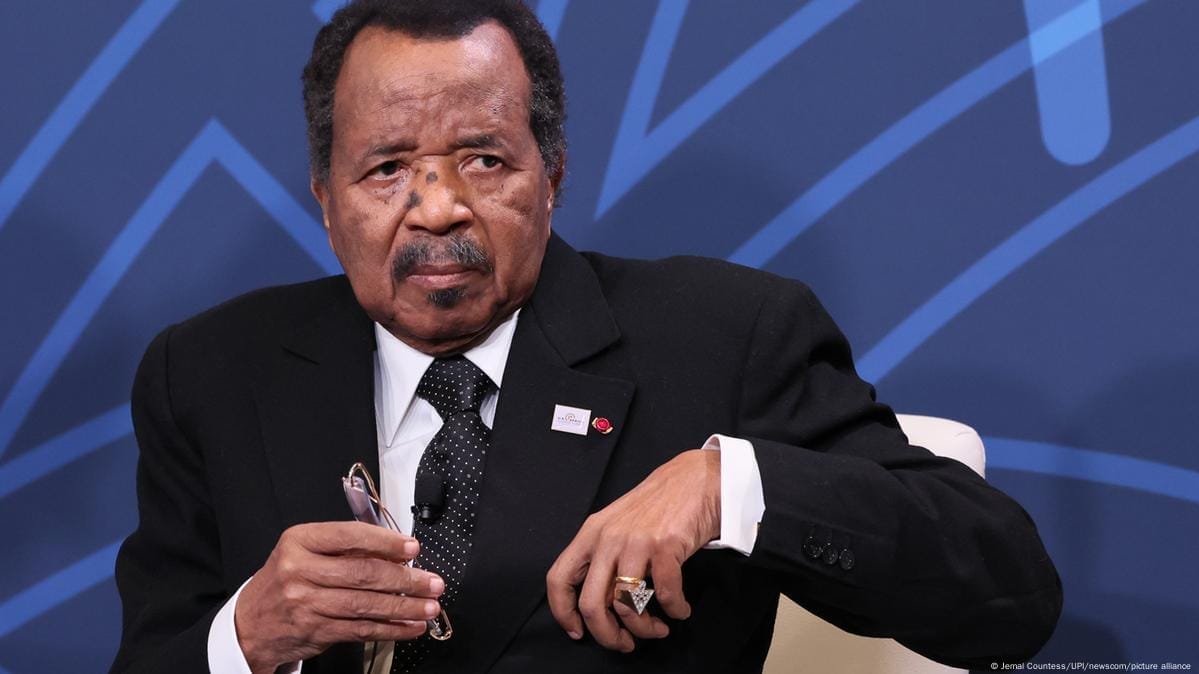
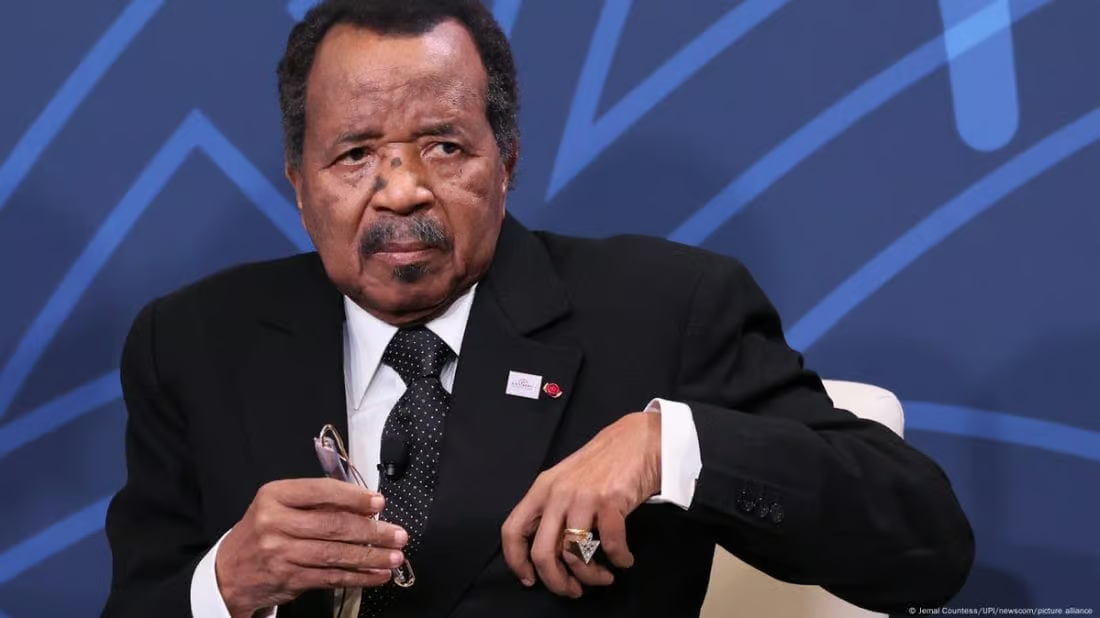 Paul Biya, Cameroon’s longest-serving leader © Jemal Countess/UPI/newscom/picture alliance
Government seeks to ease concerns
In response to persistent speculation, the ruling Rassemblement démocratique du peuple camerounais (RDPC) has moved to reassure the public. In a July 15 editorial published in L’Action, Christophe Mien Zok, the party’s propaganda director, insisted that state institutions remain fully functional.
« The power is not vacant. The Lion has not left, » he declared, dismissing claims of a country governed remotely or left in autopilot mode.
Meanwhile, official presidential channels have continued releasing greetings from Biya to foreign leaders, including a message to French President Emmanuel Macron on Bastille Day and to Montenegro’s president. No public appearances or detailed updates on the president’s activities have been provided.
Opposition demands answers on potential power vacuum
The prolonged absence has prompted opposition figures to push for formal clarification. Deputy Jean-Michel Nintcheu has filed a petition with the Constitutional Council to assess whether a power vacuum exists.
The Union démocratique du Cameroun (UDC) has emphasized the need for transparency, arguing that institutional stability cannot hinge on silence and conjecture. While acknowledging that prolonged foreign travel does not automatically constitute presidential vacancy, the party stresses the necessity of clear procedures for managing such situations, including temporary incapacitation.
Constitutional gaps exposed
Legal experts point out that exceeding 45 days abroad could warrant review by the Constitutional Council, though no law currently sets a maximum duration for presidential absence from national territory.
The UDC also highlights the absence of a designated vice president since April’s constitutional revision—a situation it warns exposes gaps in governance and underscores the urgent need for institutional reforms. The party advocates for precise legal frameworks to govern prolonged presidential absences and prevent institutional uncertainty.
As Biya’s days overseas continue to accumulate, the debate intensifies between authorities—who insist institutions are functioning normally—and critics demanding greater transparency and stronger legal safeguards for such scenarios.