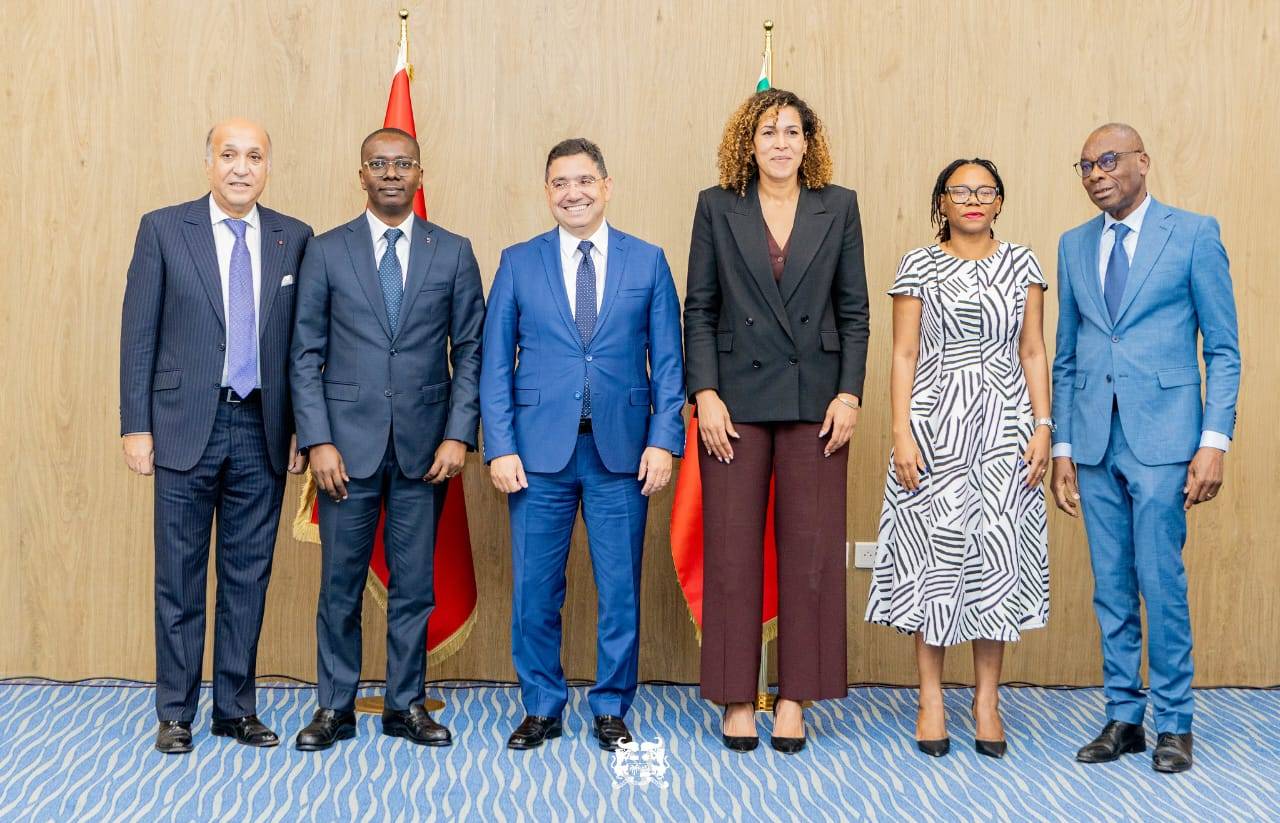
The 7th session of the Bénin-Morocco Joint Cooperation Commission, held in Cotonou, has set a new benchmark for South-South partnerships by signing 14 groundbreaking agreements. This landmark meeting, attended by high-ranking officials including Morocco’s Foreign Minister Nasser Bourita and Bénin’s Minister of Higher Education Sèdami Medegan Fagla, underscored the deepening ties between the two nations. The discussions centered on accelerating economic integration, fostering shared prosperity, and aligning strategic visions for the future.
Diplomatic momentum drives economic ambitions
Cotonou emerged as the epicenter of a renewed diplomatic push as both countries reaffirmed their commitment to strengthening bilateral relations. Bourita praised Bénin’s democratic maturity and the forward-thinking policies of President Romuald Wadagni, emphasizing Morocco’s eagerness to deepen its role as a key development partner. The session highlighted how mutual trust and aligned interests can unlock transformative economic opportunities, particularly in sectors where Moroccan expertise—such as banking, logistics, and agro-industry—complements Bénin’s modernization efforts.
Hugues Oscar Lokossou, Bénin’s Minister for External Resource Mobilization and Debt Management, framed the collaboration as a strategic response to global economic uncertainties. He stated:
« The South-South cooperation model we are building with Morocco isn’t just about diplomacy—it’s a practical blueprint for turning shared aspirations into tangible progress. By pooling our strengths, we’re creating a foundation for equitable growth that benefits both our nations and the broader region. »
From agreements to action: 14 strategic commitments
The most tangible outcome of the session was the signing of 14 comprehensive cooperation agreements, spanning economics, trade, industry, finance, education, security, and cultural exchange. These accords are designed to:
- Streamline trade and investment flows by removing barriers and enhancing market access
- Expand technical training and academic mobility through scholarships and exchange programs
- Strengthen financial ties by aligning banking regulations and fostering joint ventures
- Bolster security cooperation to address regional challenges
- Promote cultural and sporting exchanges to deepen people-to-people ties
The breadth of these initiatives reflects a holistic approach to integration, ensuring that diplomatic commitments translate into grassroots impact.
Rabat next: A roadmap for measurable results
The session concluded with a clear call to action. Corinne Amori Brunet, Bénin’s Minister of Foreign Affairs for Afro-descendant Integration, outlined the next steps, emphasizing the urgency of turning paper commitments into on-the-ground projects. She announced plans for a follow-up meeting in Rabat to accelerate implementation, signaling that the partnership is transitioning from rhetoric to reality.
The decision to host the next phase in Morocco’s capital underscores the depth of this alliance. It also sends a strong message to investors and businesses: the Bénin-Morocco partnership is built on concrete deliverables, not empty promises. With implementation already underway, the focus now shifts to measurable outcomes—whether in trade volumes, job creation, or infrastructure development.
A blueprint for Africa’s future
This cooperation model exemplifies how pragmatic bilateral alliances can drive continental integration. By balancing economic ambition with security cooperation and cultural exchange, Cotonou and Rabat are proving that African-led partnerships can yield rapid, tangible results. As the ink dries on these agreements, all eyes are on Rabat, where the next chapter of this historic collaboration will unfold.