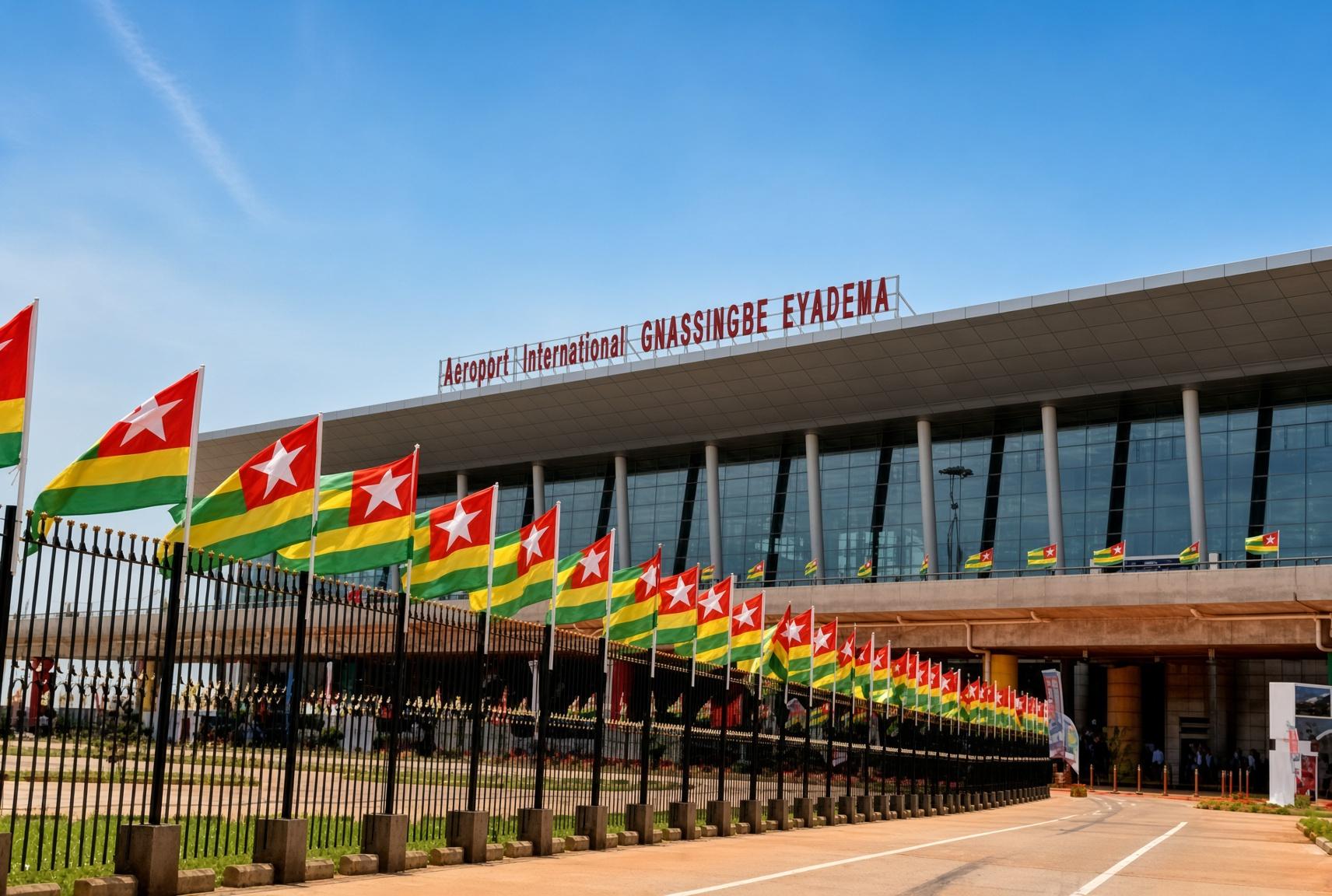
After years of underperformance and a sanitation crisis that exposed deep operational flaws, Togo’s government has taken a decisive step to revamp its international gateway. The move involves handing over commercial management of Lomé’s duty-free zones to Lagardère Travel Retail, a global leader in airport retail and services, signaling a shift that balances urgency with strategic compromise.
From crisis to concession: How a public failure forced Togo’s hand
For decades, the Gnassingbé-Eyadéma International Airport (AIGE) in Lomé has been touted as a gateway to West Africa—a symbol of Togo’s economic ambitions. Yet, persistent mismanagement by the Société Aéroportuaire de Lomé-Tokoin (SALT) has repeatedly undermined those ambitions. Until recently, officials dismissed concerns about deteriorating infrastructure as minor setbacks. Then, in early October 2026, a plumbing failure in the departure hall caused raw sewage to overflow, flooding terminals with fecal matter.
What began as an isolated incident quickly spiraled into a full-blown credibility crisis. Social media erupted with viral videos and images of the incident, while airline executives and travelers began questioning the airport’s safety and hygiene standards. The government’s attempts to downplay the event—labeling it a “minor technical glitch” and even alleging manipulated footage—only fueled public distrust. The episode laid bare a harsh truth: the state-run SALT was simply incapable of maintaining the airport to international standards.
Can lagardère deliver where the state failed?
With public confidence at rock bottom, Togo’s leaders faced a stark choice: either invest vast resources in upgrading the airport internally or entrust its commercial operations to a proven private operator. Lagardère Travel Retail emerged as the leading candidate, offering a turnkey solution to modernize duty-free retail, enhance passenger experience, and restore operational efficiency.
The French group, part of the Louis Vuitton owner’s LVMH, brings decades of expertise in high-traffic retail environments. Their track record includes transforming underperforming airport concessions into profitable, customer-centric hubs across Africa and beyond. For Togo, the partnership promises immediate benefits: faster customs clearance, upgraded retail spaces, and a boost to tourism and trade. However, the decision is not without controversy.
The sovereignty question: what does Togo gain or lose?
Critics argue that handing over control of a strategic infrastructure to a foreign firm—particularly one with deep ties to Bolloré, a major French conglomerate—risks eroding national economic sovereignty. There are concerns that large global brands within Lagardère’s retail network could overshadow local businesses, reducing opportunities for Togolese entrepreneurs and artisans. Others warn that over-reliance on foreign expertise may weaken the country’s long-term capacity to manage its own aviation sector.
Proponents, however, counter that pragmatism is necessary in times of crisis. The immediate priority is restoring AIGE’s functionality and image. Lagardère’s entry, they argue, is a temporary but essential bridge—a way to stabilize operations while laying the groundwork for future public-private collaboration or even a phased reintegration of expertise.
A high-stakes gamble for Togo’s global gateway
The stakes are high. As West Africa’s trade and logistics hub, AIGE must meet strict international aviation standards. Failure to do so risks pushing airlines to reroute flights, reducing connectivity and economic inflow. Lagardère’s challenge is twofold: not only to overhaul the airport’s physical and service infrastructure but also to build trust among local stakeholders—passengers, airlines, and small businesses alike.
The group has pledged to invest heavily in training local staff, sourcing goods from Togolese suppliers where possible, and ensuring that retail revenues contribute to national development. Whether this model can deliver a true win-win outcome remains to be seen. But one thing is clear: the era of unchecked public mismanagement is over. Togo has chosen speed over sovereignty, efficiency over control—for now.
What’s next for Lomé’s airport and its stakeholders?
- Short-term: Immediate repairs to plumbing and drainage systems, enhanced cleaning protocols, and the launch of Lagardère’s retail operations within six months.
- Medium-term: Expansion of duty-free zones, introduction of premium lounges, and possible extension of commercial concessions to food and beverage sectors.
- Long-term: Pilot programs to train Togolese professionals in airport management, with potential for gradual knowledge transfer and future public sector leadership.
The airport’s future now hinges on execution. Can Lagardère deliver the promised transformation without sidelining local interests? And can Togo navigate the political and economic sensitivities of balancing foreign investment with national pride? One thing is certain: the decision has already reshaped the landscape of Togolese infrastructure—and set a precedent for how African nations may approach airport modernization in an era of growing private sector influence.