The backdrop: Brussels and Ouagadougou on the edge
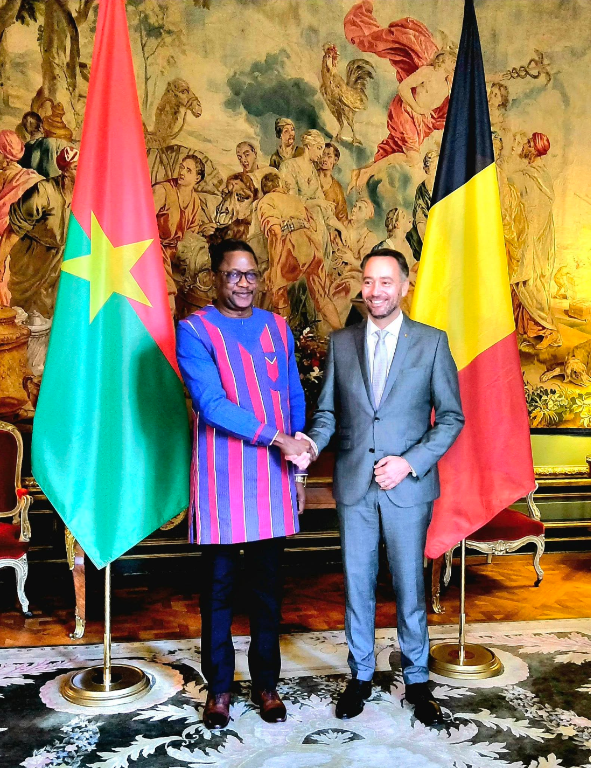
With Western donors tightening purse strings and allegiances shifting across the Sahel, Burkina Faso’s foreign minister Karamoko Jean-Marie Traoré landed in Brussels on November 4–5, 2026, for two days of high-stakes meetings. The trip capped months of diplomatic friction: Ouagadougou had expelled French troops, criticised EU human-rights rhetoric, and embraced Moscow as a new security partner. Yet on the final day of the visit, Belgium stunned observers by pledging €40 million in fresh cooperation for the post-2027 period.
What the €40 million deal really means
The funds, channelled through Belgium’s international cooperation agency Enabel, will extend the existing five-year programme (2023–2027), which amounted to €34.5 million. Brussels insists the money is not an immediate cash infusion but a binding commitment to shared development goals—healthcare delivery, rural electrification, and stabilisation of conflict zones.
- For Ouagadougou: an extra lifeline at a moment when the state budget is haemorrhaging over security and humanitarian emergencies.
- For Brussels: a strategic toehold in a Sahelian nation that has publicly distanced itself from Europe.
Diplomacy beyond the chequebook: Traoré’s Brussels agenda
The foreign minister did more than negotiate euros. On November 4 he met Kaja Kallas, the EU’s High Representative for Foreign Affairs and Security Policy, to clarify Burkina Faso’s evolving view of international partnerships. The next day Traoré sat with Belgium’s deputy prime minister Maxime Prévot to review bilateral programmes, regional security cooperation, and future collaboration frameworks.
Why keep talking if Ouagadougou wants to go solo?
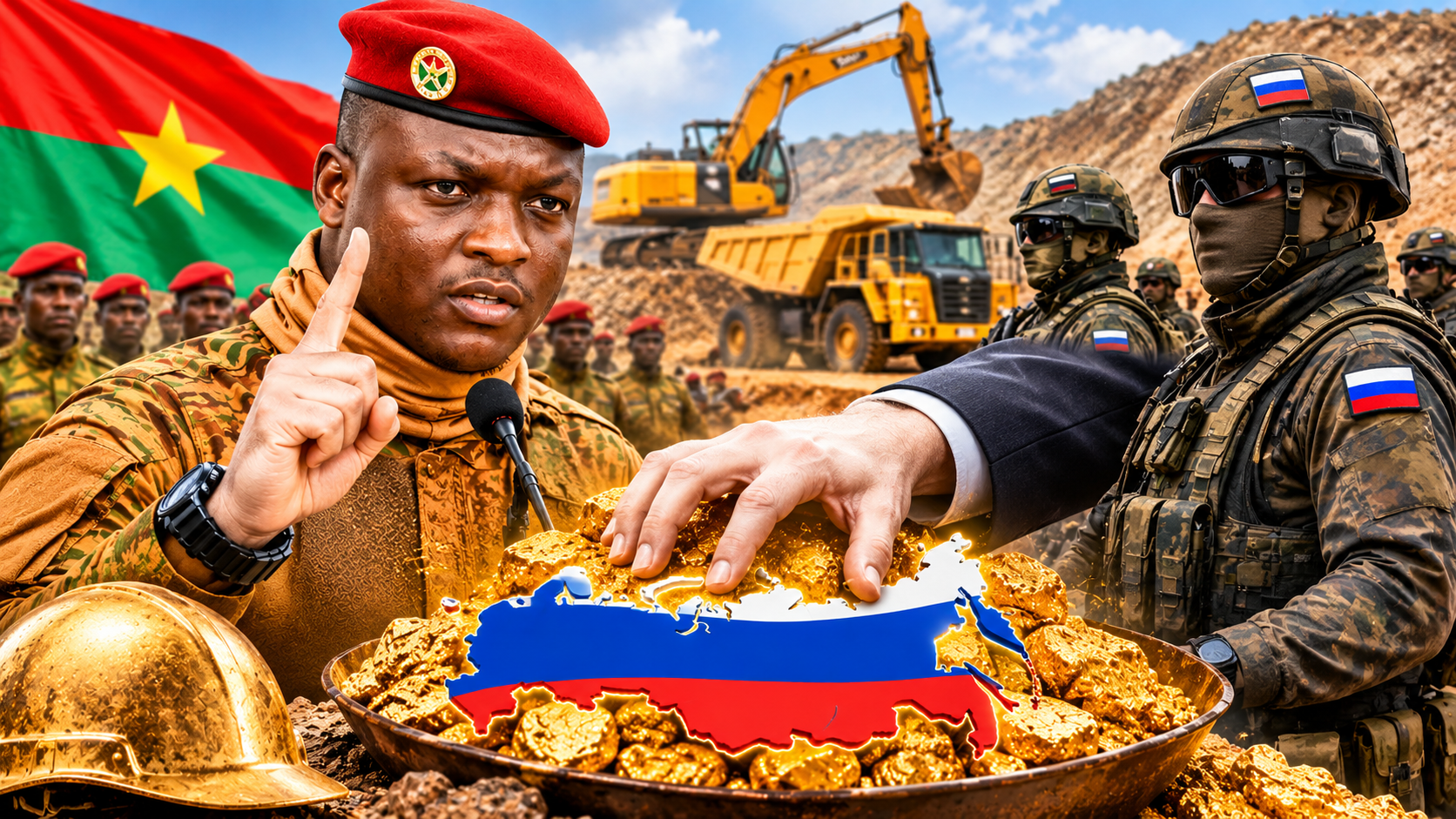
Since Captain Ibrahim Traoré took power in September 2022, his government has styled itself as a champion of “uncompromising sovereignty.” The withdrawal of French forces, public denunciations of “neo-colonial interference,” and the courtship of Russian military trainers have all reinforced that narrative. Against that backdrop, the Belgian cash looks like a contradiction.
Yet politics and economics rarely travel in lockstep. A country can critique Western policy while accepting Western money, as long as the funds advance domestic priorities rather than foreign agendas. Burkina Faso’s recent pivot east delivers geopolitical clout; the Brussels line item delivers budgetary oxygen.
From gesture to partnership: what would a real thaw look like?
An extra €40 million is not, by itself, a diplomatic U-turn. To signal a broader rapprochement, Ouagadougou and Brussels would need concrete follow-through: reinvigorated scholarship programmes, joint infrastructure tenders, and visible cooperation on counter-terrorism intelligence.
So far, the signals are mixed. There has been no announcement of new military-to-military cooperation, no resumption of suspended EU budget support, and no visible scaling back of Russian defence contracts. What we have instead is a studied continuation of channels that still function—channels that both sides can utilise when it suits their interests.
Sovereignty versus solvency: can Ouagadougou have both?
The Traoré administration faces an unenviable calculus. Public sentiment demands distance from former colonial rulers, yet the treasury cannot afford total disengagement. Brussels, in turn, is loath to cede influence in a Sahelian capital that now entertains multiple suitors. The €40 million pledge is therefore less a love letter than a pragmatic IOU: a reminder that even assertive states eventually have to balance rhetoric with arithmetic.
Whether this modest engagement blossoms into deeper cooperation—or simply postpones the reckoning—will depend on the next round of choices made in Ouagadougou and Brussels alike.