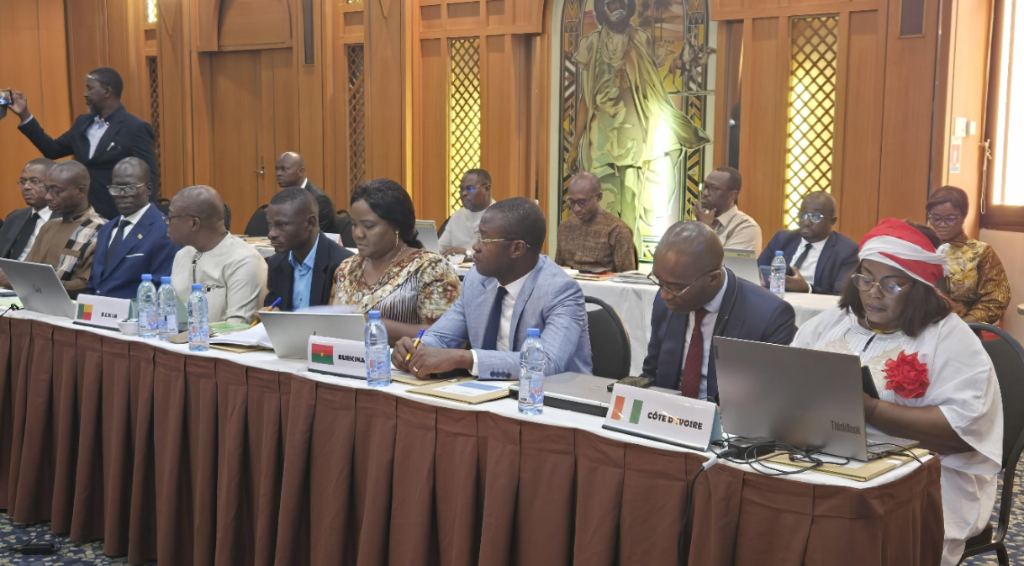
The Malian government faces mounting scrutiny after the country’s compliance rate with regional reforms plummeted from 80.06 % in 2024 to just 75.52 % in 2025—a stark drop of 4.54 percentage points. Announced during the twelfth annual review of the West African Economic and Monetary Union’s (WAEMU) reform progress in Bamako on 4 November 2026, this figure raises a pressing strategic question: what happens when institutional credibility starts to falter in the eyes of regional investors?
Beyond the numbers: what a 4.54-point decline really means
At first glance, the fall may appear modest, but its implications reach far beyond simple arithmetic. The 4.54-point reduction signals a slowdown in structural reform implementation that is now being watched closely by credit analysts, portfolio managers and multilateral lenders across WAEMU’s shared financial market. Investors do not evaluate yields in isolation; they weigh them against political stability, policy predictability and the government’s track record of meeting community-wide commitments.
In Mali’s case, declining reform momentum coincides with broader geopolitical realignments. Since the formation of the Alliance of Sahel States (AES), the country’s relationship with key regional bodies has evolved, creating new frictions in policy coordination and joint governance projects. While external pressures are not the sole cause of the drop, they have undeniably strained the institutional ecosystem needed for reform delivery.
The hidden drivers behind the slowdown
Weaker administrative capacity
Translating policy into practice requires more than political will. It demands well-trained civil servants, streamlined inter-ministerial workflows and timely adoption of secondary legislation. Recent administrative bottlenecks—from delayed decrees to procurement logjams—have directly slowed the execution of reform packages tied to public finance, banking regulation and trade facilitation.
Security budgets squeezing reform budgets
With defence and internal security now consuming a larger share of national revenue, fiscal space for longer-term structural reforms has narrowed. Public investment in education, infrastructure and health—sectors often linked to reform conditionality—has been gradually crowded out, leaving fewer resources available for institutional upgrades mandated by WAEMU agreements.
Investor sentiment: from caution to cost
Mali’s sovereign bond issues are a bellwether for regional risk perception. In 2025 the country successfully placed 1 193 billion West African CFA francs on WAEMU markets; for 2026 it has set an even higher target of 1 450 billion. Yet each percentage point lost in reform compliance increases the risk premium demanded by underwriters. If the downward trend persists, investors may begin to demand yields that strain the national budget, turning debt servicing into an unsustainable burden.
Two immediate risks stand out:
- Higher borrowing costs: A sustained rise in yields could inflate interest charges, diverting funds from essential services to debt service.
- Thin subscription rates: If market confidence wavers, auctions may struggle to attract sufficient bids, leaving budget targets unmet and forcing last-minute fiscal adjustments.
Banks acting as primary dealers could also face concentration risk, as their sovereign debt exposure to Mali grows relative to their capital buffers.
Regional integration at stake
WAEMU membership is Mali’s gateway to a common currency, a unified payments system and a regional pool of investable capital. Losing momentum in reform implementation jeopardises not only the country’s internal development agenda but also its reputation as a reliable partner within the union. The twelfth annual review, convened in Bamako, is therefore more than a compliance exercise—it is a moment to recalibrate priorities, rebuild inter-ministerial coordination and publish a clear execution timeline for lagging reforms.
The 4.54-point dip is not yet a market sanction, but it is a flashing amber light. On WAEMU’s integrated financial market, trust is not decreed by decree; it is earned through consistent transparency, predictable policy cycles and unwavering commitment to regional rules. Ignoring the warning today may translate into higher financing costs tomorrow—and that is a risk Mali can ill afford.
What the government can do next
Reviving reform momentum will require a three-pronged response:
- Administrative quick wins: fast-track pending secondary legislation, automate routine approvals and second specialist staff to bottleneck ministries.
- Strategic reprioritisation: ring-fence dedicated budgets for high-impact reforms while maintaining essential security spending.
- Communication reset: publish quarterly progress dashboards that detail milestones, delays and corrective actions to reassure investors and regional peers alike.