Can Mali’s electricity expansion outlive regional political fractures?
Despite the Mali’s withdrawal from the Economic Community of West African States (CEDEAO), a landmark regional electrification initiative forged ahead, illuminating over half a million households across underserved Malian communities. This unexpected continuity highlights how critical development projects can persist even amid deepening geopolitical divides.
How a regional energy partnership defied political rupture
Launched in 2019, the ECOWAS-REAP (Regional Electricity Access Project) — a $225 million program funded by the World Bank — was designed to enhance power access in Gambia, Guinea-Bissau, and Mali. As regional tensions escalated and three West African nations reassessed their commitments to CEDEAO, the project’s momentum was widely questioned.
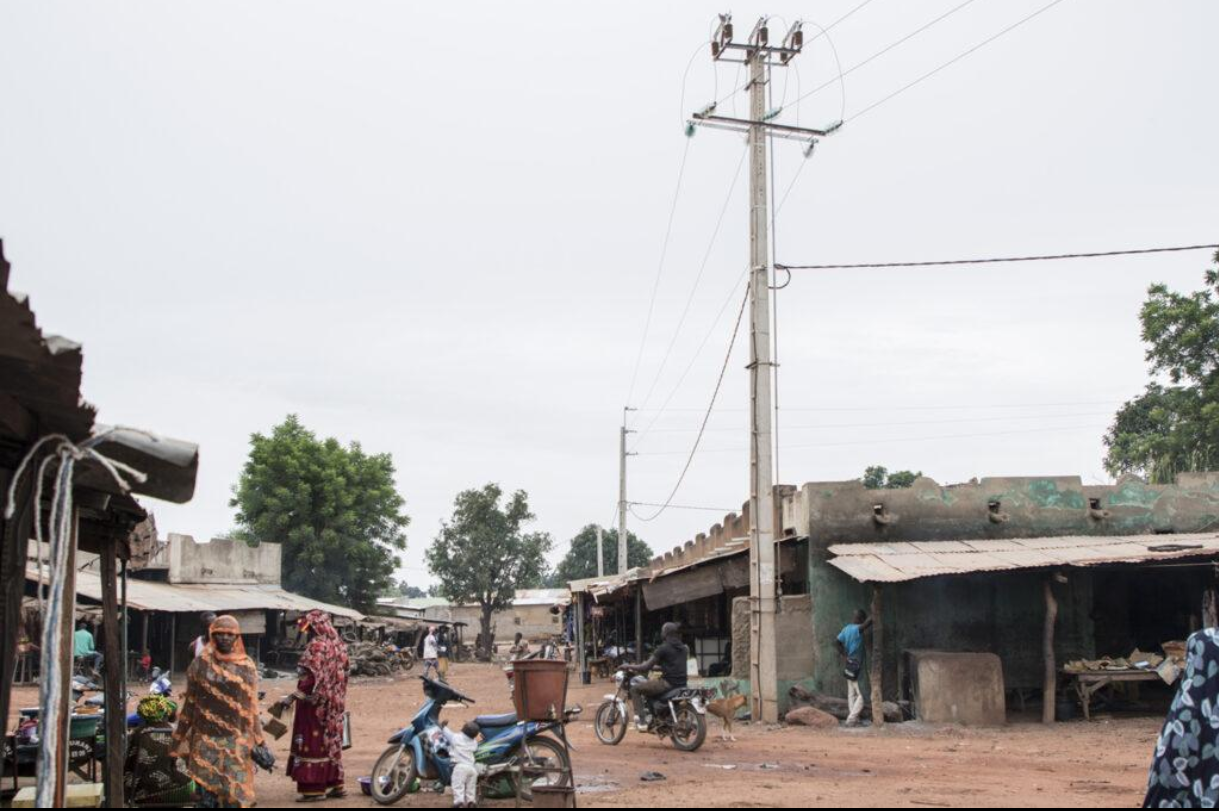
Yet, nearly four years after its inception, ECOWAS-REAP has not only endured but delivered tangible results. According to internal project assessments, the initiative has connected 490 new localities and provided improved or new access to electricity for approximately 500,000 people, with Mali as a key beneficiary.
Key statistics:
- Over 490 communities connected across Mali, Gambia, and Guinea-Bissau
- Nearly 500,000 households gained new or improved electricity access
- Funded $225 million by the World Bank, coordinated by CEDEAO
Mali’s inclusion in program monitoring further underscores the country’s ongoing engagement with ECOWAS-REAP, despite its formal withdrawal from the regional bloc. Representatives from Mali’s national utility, Énergie du Mali (EDM-SA), participated in recent coordination meetings, signaling sustained technical cooperation on the ground.
Energy, not alliances: why electricity projects persist
The continuation of ECOWAS-REAP in Mali reflects a deeper reality: public infrastructure and social welfare often prioritize over political disputes. Even as Bamako distanced itself from CEDEAO, officials continued to assess progress, submit progress reports, and push for project extensions — not out of loyalty to regional institutions, but out of necessity for their citizens.
Ousouby Mary dit Ousmane Diarra, Director of National Energy in Mali, emphasized the immediate benefits to rural communities, noting that secure power supply supports local economies, education, and healthcare. He also formally requested a 30-month extension, citing security challenges and contractual delays that have slowed implementation.
This appeal — now under review by the World Bank — further illustrates how energy access remains a non-negotiable priority, regardless of geopolitical realignments.
The silent resilience of regional development cooperation
ECOWAS-REAP’s survival challenges the assumption that institutional ruptures automatically dismantle development partnerships. Infrastructure, financial commitments, and community needs often transcend diplomatic shifts, creating what can be viewed as a form of