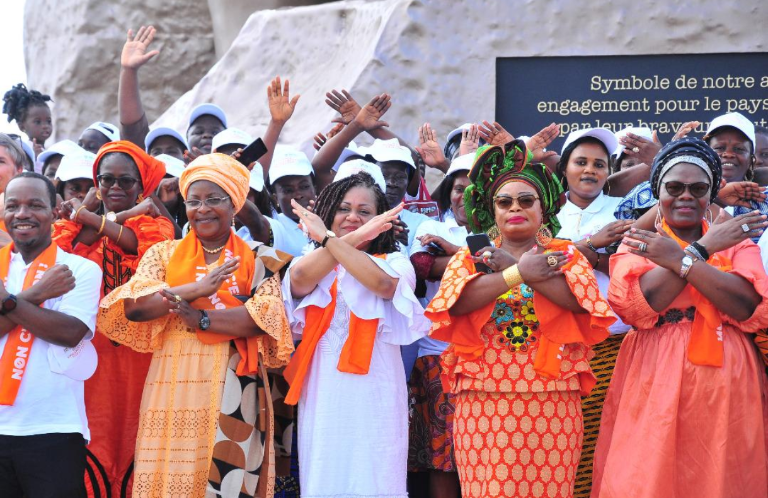
Benin has taken a decisive step forward in its fight to protect women and girls from gender-based violence. On November 4, 2026, the Council of Ministers, led by Prime Minister Romuald Wadagni, approved the submission of the African Union Convention on Eliminating Violence Against Women and Girls to the National Assembly for ratification. This move signals the government’s commitment to strengthening national legal frameworks and reinforcing prevention and response mechanisms against all forms of gender-based violence.
The decision comes at a critical juncture, as violence against women and girls remains a persistent challenge across African societies. From domestic abuse to workplace harassment, public assaults, and digital abuse, these violations inflict deep psychological, physical, and emotional harm on their victims. By prioritizing the ratification of this continental convention, Benin is positioning itself at the forefront of a regional movement to address violence in all its forms.
Why This Convention Could Be a Game-Changer for Benin
The African Union Convention on Eliminating Violence Against Women and Girls, adopted in Addis Ababa in February 2025, represents a binding legal instrument for signatory states. Unlike previous frameworks, this convention adopts a comprehensive approach, addressing violence in all its manifestations—physical, sexual, psychological, emotional, verbal, and economic—while also covering emerging threats in the digital space.
What sets this convention apart is its recognition of less visible forms of violence, such as cyber harassment, online stalking, and economic coercion, which often leave lasting scars on victims. By mandating state responses that address both public and private spheres, the convention challenges Benin to adapt its legal and social systems to the realities of today’s world.
No Tradition Justifies Abuse—Legal and Moral Imperatives
The convention explicitly rejects any justification for violence based on culture, tradition, or religion. This provision underscores a fundamental principle: the protection of human dignity must always take precedence over harmful practices. In Benin, where gender-based violence is sometimes normalized or excused under customary or religious pretexts, this legal stance could mark a turning point in societal attitudes.
The convention also places a strong emphasis on victim protection and support, shifting the focus from mere punishment of perpetrators to ensuring comprehensive care for survivors. This includes access to legal recourse, psychological counseling, and safe housing—measures that Benin must now integrate into its national policies.
A Shift in Prevention: Engaging Men and Boys
While women and girls are the primary targets of gender-based violence, the convention calls for a societal transformation that includes men and boys as active participants in prevention. Promoting positive masculinity and challenging toxic gender norms are now seen as essential strategies to break the cycle of violence. Benin’s government has signaled its intent to incorporate these principles into public education campaigns and community outreach programs.
Challenges Ahead: From Ratification to Real Action
The next critical phase is the National Assembly’s approval, which will allow Benin to formally ratify the convention. However, the true test lies in implementation. Strengthening judicial systems, training law enforcement, and ensuring victims have accessible reporting channels will be key priorities. The government has already begun aligning domestic laws with continental standards, but bureaucratic delays and resource constraints could pose obstacles.
The Minister of Family and Social Action, Véronique Tognifodé, has underscored the need for multi-sector collaboration. “Submitting this convention to parliament is a milestone, but it is only the beginning,” she stated. “We must go beyond legal formalities to change behaviors, protect victims, and hold perpetrators accountable. This is a shared responsibility.”
Connecting Legal Progress to Global Campaigns
This decision aligns with the 16 Days of Activism against Gender-Based Violence, an international campaign running from November 25 to December 10. By ratifying the convention in this timeframe, Benin is signaling its alignment with global efforts to end violence against women. The timing also amplifies the urgency of translating political commitments into measurable outcomes, from increased prosecutions to improved survivor support services.
The question now facing Benin is whether this legal move will translate into tangible progress—or remain another unfulfilled promise. With the world watching, the government’s next steps will determine whether the convention becomes a tool for real change or yet another symbolic gesture.
What’s Next for Benin’s Gender Equality Agenda?
The path forward requires a three-pronged approach:
- Legal reinforcement: Enacting new laws and amending existing ones to fully incorporate the convention’s provisions.
- Institutional capacity-building: Training judges, police, and social workers to handle gender-based violence cases with sensitivity and efficiency.
- Societal engagement: Launching awareness campaigns that challenge harmful norms and encourage bystander intervention.
As Benin stands at this crossroads, the stakes are clear: the success of this convention will not be measured by signatures on paper, but by the safety and dignity it brings to women and girls across the country. The government’s resolve will be tested—and so will the nation’s.