The question now hangs over Asunción: after the Ueno Bank implosion and a spiralling political storm, what future remains for Paraguay’s government?
How a banking failure became a national reckoning for Paraguay
Asunción, 5 November 2026 – Facing the collapse of Ueno Bank, mass street protests and an accelerating impeachment drive, Paraguayan president Santiago Peña has stepped down. His dramatic resignation leaves the country in uncharted political and financial territory, with nearly three million depositors still waiting to recover frozen savings and lost livelihoods.
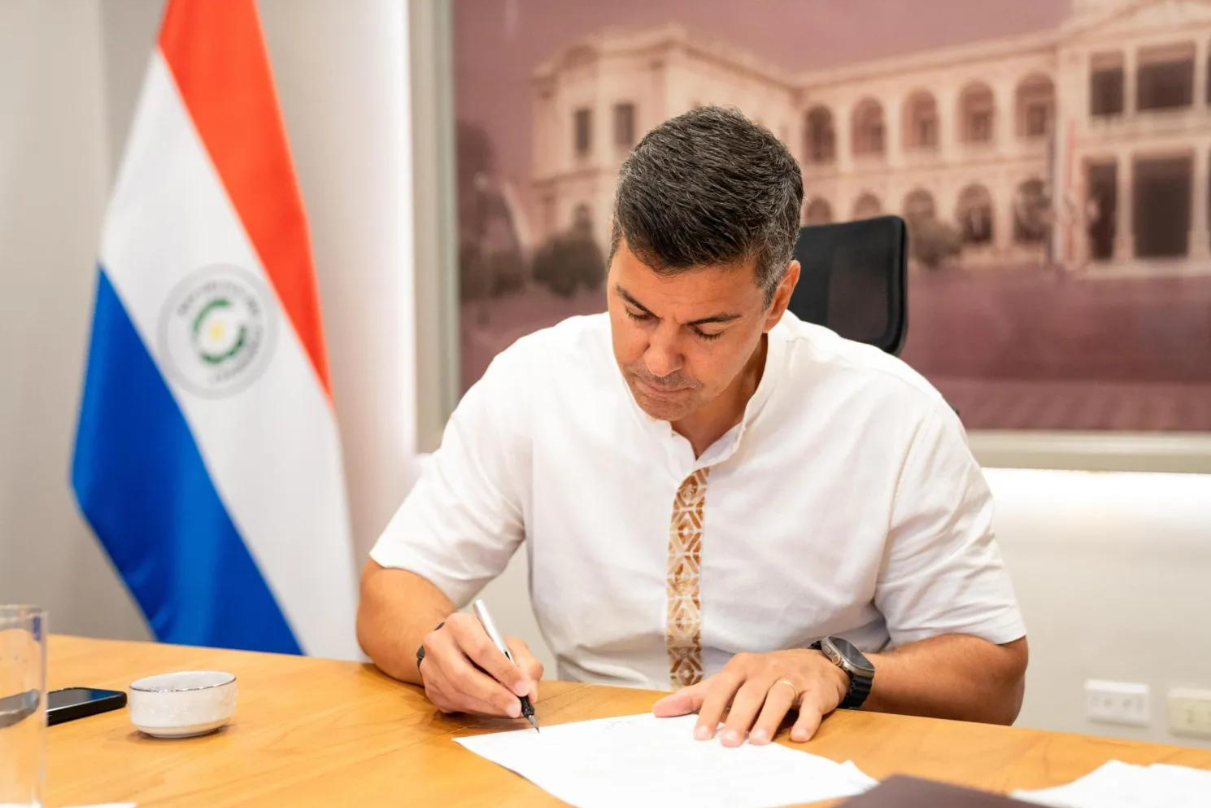
In a nationally televised address, Peña framed his decision as an act of national duty, stating: “I have decided to resign the presidency to safeguard stability, social peace, and the integrity of our democratic institutions.” His announcement came just hours before legislators were set to vote on articles of impeachment against him.
The Ueno Bank rupture: from financial crisis to constitutional crisis
The implosion of Ueno Bank, once a pillar of Paraguay’s financial system with three million account holders in a nation of six million people, triggered the avalanche. After Paraguay’s central bank uncovered critical solvency violations—its capital ratio plunging below the 50 % regulatory floor—regulators froze the bank’s operations.
The sudden closure instantly trapped depositors, pensioners, and businesses without access to accounts, payrolls, or essential transactions. Worse, Ueno also administered government funds linked to social security and state pensions, exposing hundreds of millions of dollars in public assets to risk.
Public anger overtakes Asuncion’s streets
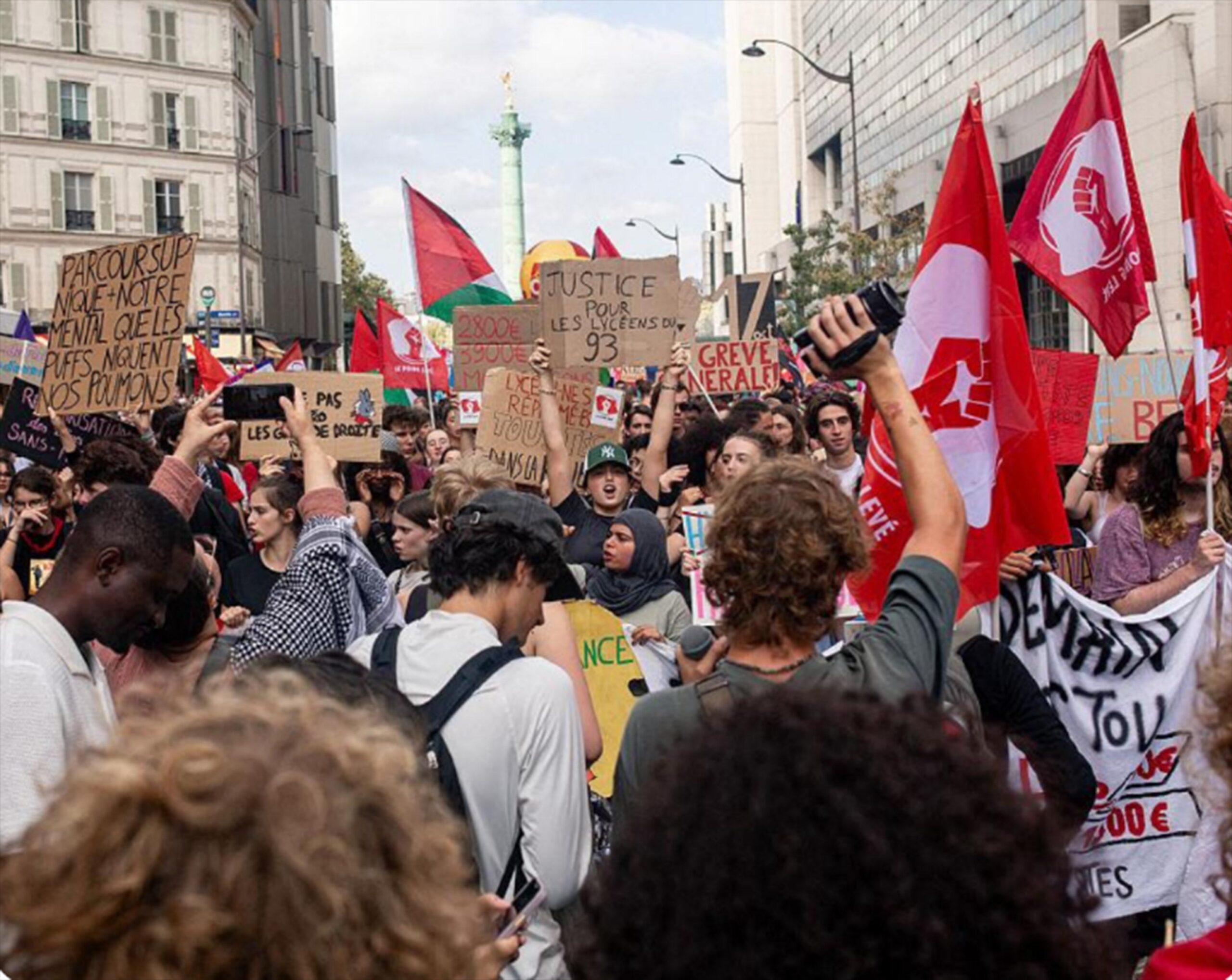
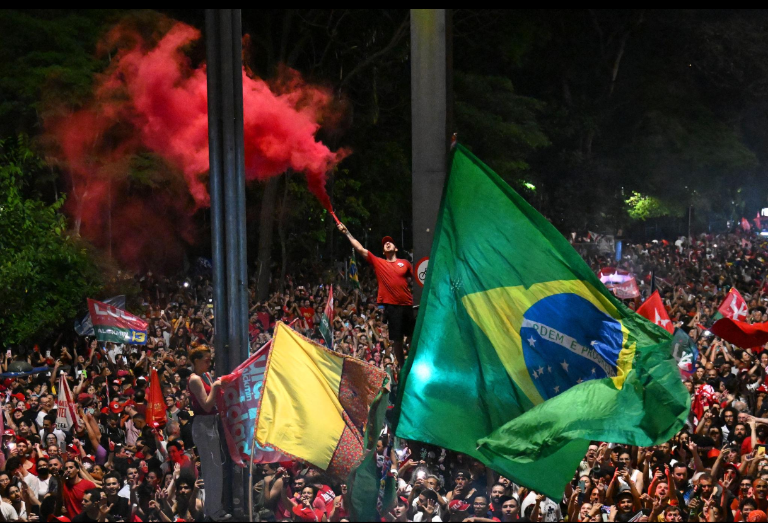
Within hours, depositors, retirees, and workers took to the streets of the capital, demanding restitution and accountability. What began as financial outrage quickly became a referendum on the credibility of the entire supervisory apparatus.
Old ties, new suspicions: Peña’s past connections under scrutiny
At the eye of the storm sits Santiago Peña’s prior stake in the corporate group that once controlled Ueno Bank. Although he divested his shares in 2025, critics allege that lingering influence skewed public policy, allowed public funds to be overexposed, and delayed enforcement actions against the ailing lender.
The opposition has demanded a full review of Peña’s financial history and administrative decisions, arguing that conflicts of interest undermined regulatory rigour and eroded public trust.
Further complicating matters, Carlos Carvallo, the recently resigned central-bank governor, is a former Ueno executive. His departure has intensified scrutiny over whether supervisory bodies enjoyed genuine independence during the bank’s final decline.
From impeachment to resignation: the political domino effect
The tipping point arrived when opposition lawmakers tabled impeachment motions against Peña and vice-president Pedro Alliana. Support within the ruling Colorado Party evaporated as prominent figures withdrew endorsement, leaving the president with no parliamentary cushion.
Legislators confirmed the impeachment filing minutes after Peña’s resignation announcement. The Senate must now deliberate formal charges in a process that will test the resilience of Paraguay’s constitutional order.
The crisis has ballooned from a banking scandal into a systemic test of governance, forcing the nation to confront long-ignored vulnerabilities in oversight and accountability.
Pedro Alliana inherits an emergency, not stability
With the presidency vacant, Pedro Alliana is poised to assume leadership under extreme duress. His immediate priorities include restoring depositor confidence, fast-tracking reimbursements, safeguarding public pension funds, and identifying legal responsibility for the Ueno Bank collapse.
Newly announced recovery measures and preliminary judicial inquiries aim to stabilise the financial system and begin repairing reputational damage. Yet beyond the immediate emergency, the episode raises a pivotal question: how did a country lauded for economic steadiness and investor appeal suffer such a spectacular institutional failure?
The long shadow of Ueno: rebuilding a broken system
For Sánchez Peña, the resignation closes a presidency consumed by scandal and systemic collapse. For Paraguay, it opens a delicate era where economic reconstruction must be matched by political renewal.
The coming months will reveal whether the country can re-earn the trust of citizens—and the world.