Before the 2027 vote, student protests expose cracks in France’s education system
As France gears up for the pivotal 2027 presidential election, the streets are once again alight—not just with political ambition, but with the raw frustration of a generation demanding answers. The latest wave of youth protests isn’t merely a passing storm; it’s a strategic reckoning for an education system under siege, where crumbling buildings, teacher shortages, and mounting inequalities have pushed students to their breaking point. The question on everyone’s lips: can the system survive the pressure—or will the 2027 vote force an overdue reckoning?
From classroom grievances to nationwide unrest
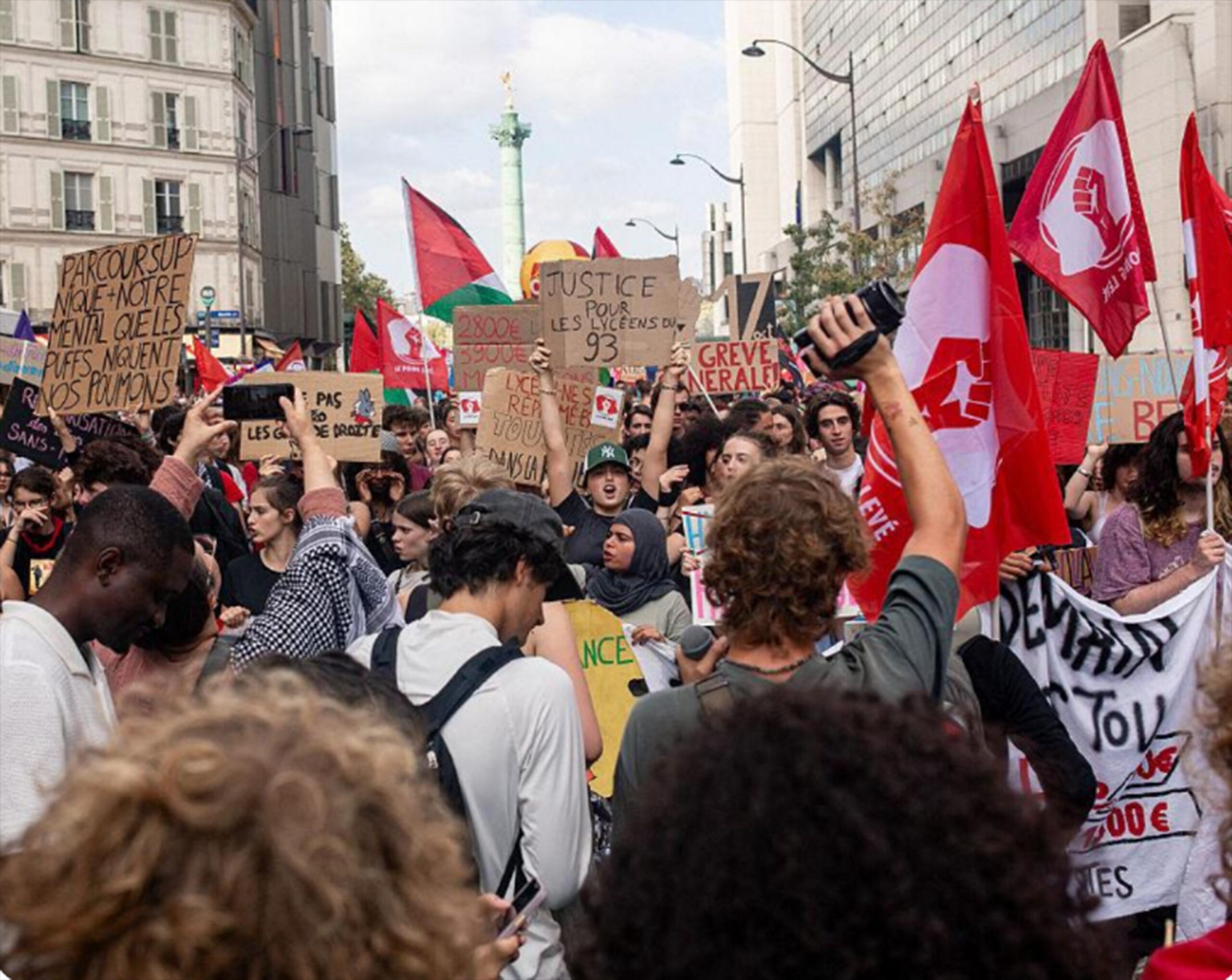
The spark ignited in early September, when high school students took to the streets to denounce the deplorable conditions of their schools. Overcrowded classrooms, derelict facilities, and exhausting schedules were just the beginning. Beneath these gripes lay deeper fears: the suffocating opacity of Parcoursup, the university admission system, left many students drowning in anxiety about their futures. What started as a localized outcry quickly snowballed into a movement of seismic proportions, drawing in university students, teachers, and even parents.
The fifth wave of protests on October 13th laid bare the generational divide in how power and reality are perceived. While organizers claimed nearly half a million protesters took to the streets, authorities reported less than a third of that number—a discrepancy that only underscored the raw disconnect between the state and the youth it claims to serve. But numbers alone don’t capture the depth of the crisis: the very foundations of equal opportunity are crumbling, and students are refusing to be silent.
Where inequalities fester: the school system’s hidden fractures
The protests aren’t just about underfunding—they’re about systemic failure. In some neighborhoods, students navigate mold-ridden classrooms and chronic teacher absences, while in others, the battles are fought over surging class sizes and the absence of personalized guidance. These disparities aren’t random; they’re a mirror reflecting France’s broader social divides.
Government consultations have since revealed a startling truth: the most explosive complaints aren’t about budgets at all. They’re about time—overly long school days that leave little room for rest or reflection, and the tragic reality that where you live often determines what education you receive. Yet when officials announce plans to increase education funding for 2027, critics argue the proposals fall far short of addressing the heart of the problem. The debate isn’t just about money—it’s about fairness.
When education protests collide with broader unrest
By October 17th, the movement had evolved into something far larger than a fight for better schools. As protesters converged in cities like Paris and Marseille, their demands began to merge with the simmering frustrations of low-income workers, retirees, and marginalized communities. The echoes of the ‘yellow vests’ movement loomed large, not as nostalgia but as a warning: when economic despair and institutional neglect collide, the consequences are unpredictable.
The day’s events were punctuated by clashes, with reports of vandalism and heavy-handed police responses. Yet to reduce the protests to these moments is to miss the point entirely. The crowds were a kaleidoscope of voices—students mourning lost opportunities, parents fearing for their children’s futures, teachers exhausted by untenable conditions. The violence, while real, cannot drown out the central message: this is a generation yearning for legitimacy.
Violence overshadows dialogue: a political dilemma
The images of burning barricades and riot gear made headlines, but they also diverted attention from the movement’s core. Behind the fury, there’s a desperate plea for attention—one that’s now impossible to ignore. The question facing the government isn’t just how to restore order; it’s whether the state can reclaim any semblance of credibility with the youth. For President Emmanuel Macron, whose second term ends in 2027, the stakes couldn’t be higher. His legacy may well hinge on how resolutely he responds to the educational crisis—and whether his successors will heed the warnings.
2027: A generational ultimatum for France’s education system
The protests have laid bare a brutal truth: France’s education system is failing its most vulnerable. From Paris to the provinces, students are demanding more than promises—they’re demanding proof. The 2027 election looms as a referendum not just on policy, but on the country’s values. Will the next administration treat education as a priority—or as an afterthought?
The road ahead is fraught with challenges. Building consensus among students, teachers, and policymakers is no small feat, especially when the wounds are fresh and the distrust runs deep. But the alternative—a system that continues to perpetuate inequality—isn’t just unacceptable. It’s unsustainable. The real test of the 2027 electoral campaigns won’t be their rhetoric, but whether they can deliver a system worthy of the next generation.
Can the protests spark lasting change?
History has shown that street movements can force governments to act—but only if the pressure is sustained. The youth aren’t just asking for change; they’re demanding a seat at the table. Whether that demand translates into tangible reforms will depend on more than budget allocations. It will require listening, compromise, and a willingness to confront uncomfortable truths.
As the 2027 vote approaches, one thing is clear: France’s education system is at a crossroads. The question isn’t whether the protests will fade—it’s whether they’ll force a reckoning. And for a generation that’s spent years waiting for answers, time is running out.