Mali’s Independence Day Sparks Calls for Accountability from Exiled Opposition
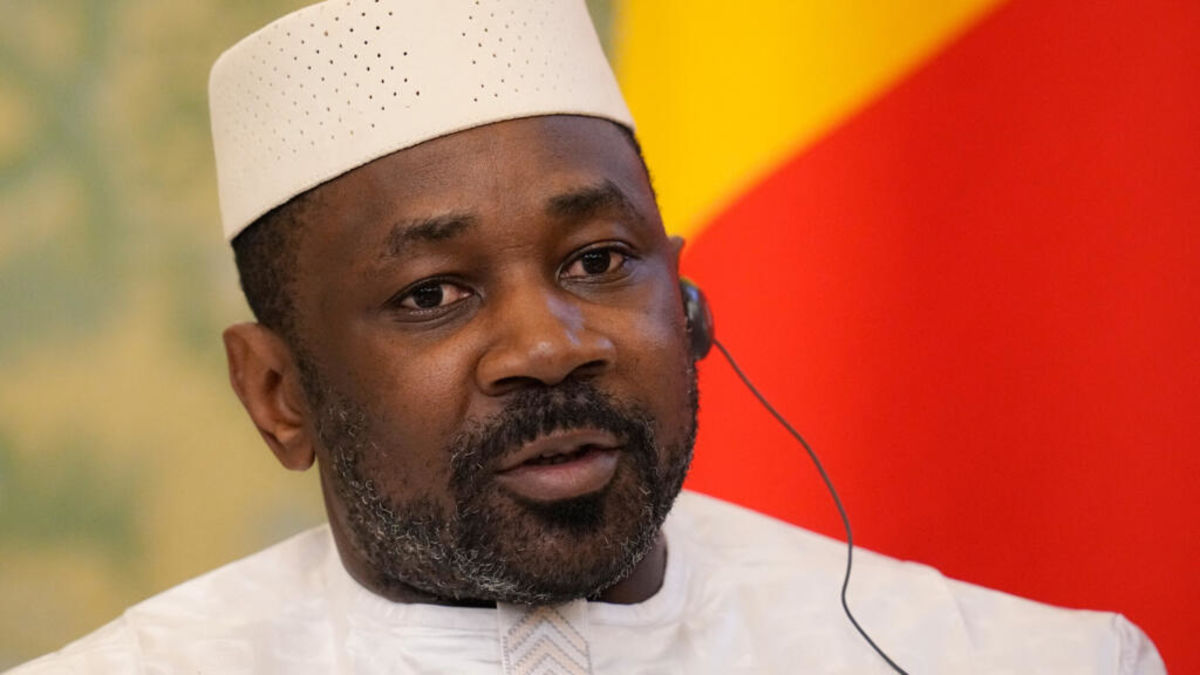
On Mali’s Independence Day, September 22, the nation reflects on decades of sovereignty—and the current state of its leadership. While the transitional president, General Assimi Goïta, delivered a speech celebrating economic progress and reaffirming commitments to security and reconciliation, opposition voices outside the country remain unheard within Mali’s borders.
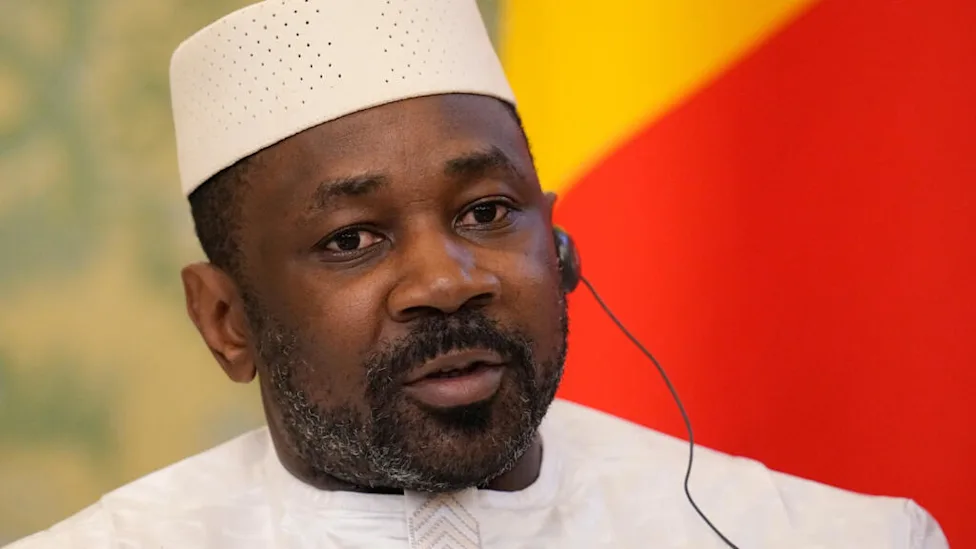
Transitional Leadership Faces Scrutiny on Independence Anniversary
In his address marking the 66th anniversary of Mali’s independence, General Assimi Goïta praised the country’s economic state, pledged to intensify efforts against armed groups, and emphasized reconciliation. However, his claims of progress under the Alliance of Sahel States (AES)—which includes Mali, Burkina Faso, and Niger—draw criticism from those who see a stark contrast between rhetoric and reality.
Goïta’s rise to power through a military coup in 2020 has kept him in office for over six years without elections, with support from the Russian Africa Corps. His speech, delivered on September 21, lauded Mali’s path toward “sovereignty” while downplaying security challenges and international partnerships.
Exiled Opposition Leader Demands Answers
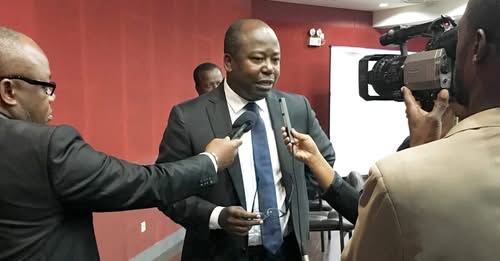
Etienne Fakaba Sissoko, an academic turned opposition figure, serves as spokesperson for the Coalition of Forces for the Republic (CFR), led by Imam Dicko. The coalition unites displaced Malian politicians and civil society members in exile, offering a vocal counterpoint to the junta’s narrative.
Speaking to David Baché, Sissoko expressed disappointment in Goïta’s speech, arguing that “Malians deserve tangible results—not just words.” He highlighted critical concerns:
- Security failures: Recent attacks, such as the deadly assault on Dioura military camp by the Group for the Support of Islam and Muslims (JNIM), underscore the government’s struggles despite partnerships with foreign forces.
- Economic decline: Malians face severe hardships, from electricity shortages to unemployment, with little improvement under the current regime.
- Political repression: Opposition voices inside Mali are silenced, while those abroad, like the CFR, challenge the junta’s legitimacy.
Sissoko condemned the omission of Russia’s role in the speech, calling it an “admission of failure.” He questioned the effectiveness of foreign military assistance, citing recent losses and prisoner exchanges with jihadist groups.
Mali in Mourning: A Nation’s Decline Under Military Rule
In a stark assessment, Sissoko described Mali as a nation in “deep sorrow.” “The country has never been in such a state of ruin in its political history,” he stated. “I refuse to celebrate this Independence Day. Instead, I mourn—a nation betrayed by its leaders.”
As Malians mark another year of independence, the gap between official narratives and public suffering widens. The opposition’s calls for accountability grow louder, even as dissent is suppressed within the country’s borders.