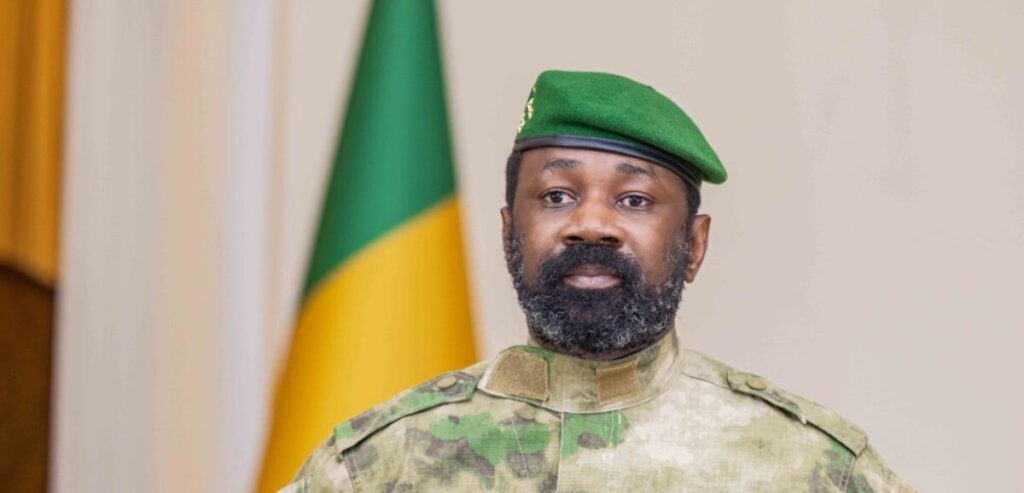
Mali reacts to Goïta’s independence day address: what the war-and-dialogue pledge means now
Mali’s public conversation shifted sharply this week after General Assimi Goïta used his independence eve broadcast to promise both a tougher campaign against armed jihadist groups and a new opening toward “reconciliation between Malian brothers.” The dual message, delivered Monday night, has triggered widespread debate about whether the country is entering a more pragmatic phase or simply repeating a familiar pattern of war rhetoric paired with vague peace gestures.
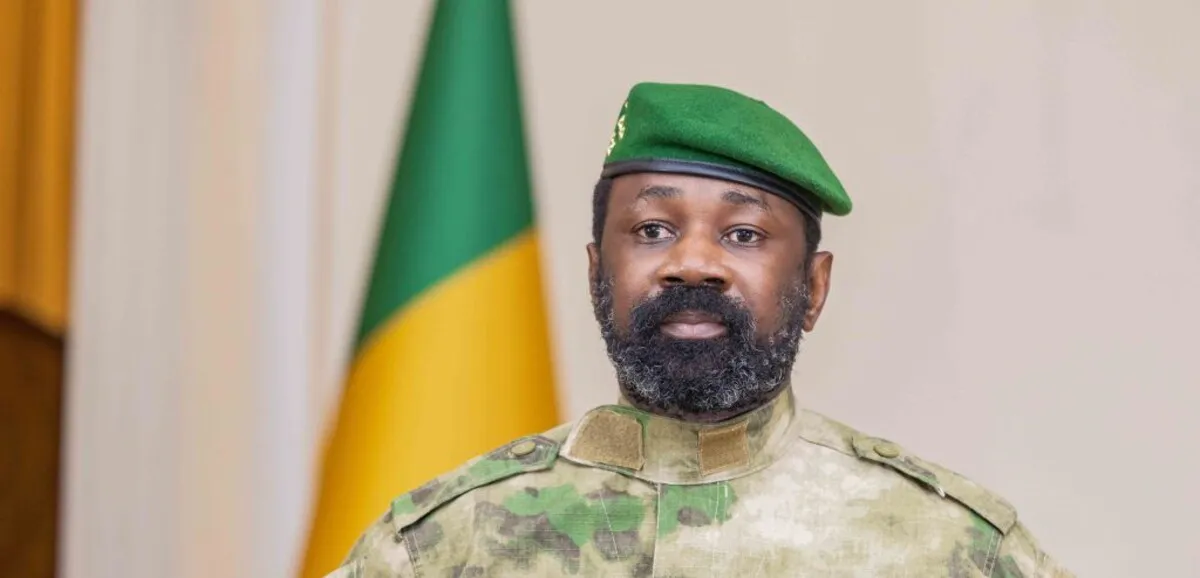
A speech that opened two doors at once
In the radio and television address, Goïta reaffirmed his commitment to defending Mali’s territorial integrity and national unity while insisting he remains open to dialogue. “While remaining open to dialogue and reconciliation between Malian brothers, our firm will to defend the integrity of our territory and national unity remains intact,” he said. He also promised to intensify the fight against armed jihadist groups as Malian forces face a surge in attacks, adding: “In this context, the fight against insecurity and armed terrorist groups will be further strengthened.”
The shadow of Dioura hangs over the address
The timing matters. The speech came after weeks of deadly assaults on Malian positions, including an attack on the Dioura camp in central Mali on September 10 that killed more than 100 Malian soldiers, with dozens more taken prisoner. The al-Qaeda-affiliated Group for the Support of Islam and Muslims (JNIM) has claimed or been accused of several operations against military positions in recent weeks. The Dioura attack was a particularly heavy blow for an army that has been fighting jihadist groups for years.
Honoring the fallen, leaning on Moscow
Goïta paid tribute to soldiers killed in combat and praised their sacrifice in defense of the homeland. He also reaffirmed his intention to boost the Malian army’s capabilities, pointing to continued cooperation with Russia, which has become Bamako’s main strategic partner since French forces and several Western partners gradually withdrew. Mali marks the 66th anniversary of its independence on Tuesday, September 22, with ceremonies taking place in a particularly tense security environment as jihadist groups continue to attack security forces and seek to expand their influence in several regions.
What comes next: a debate without easy answers
The address has left Malians with more questions than certainties. Can a government simultaneously escalate a military campaign and extend an olive branch without one undermining the other? The coming weeks will test whether the promised reinforcement materializes on the ground and whether any credible channel for reconciliation actually opens. For now, the fallout is a public conversation about strategy, credibility and the cost of a war that shows no sign of fading.
You may also like
Rosenior fallout: Strasbourg fans, Ligue 1 panel and the road ahead
Atonfack Guemo’s vigilance appeal sparks nationwide debate: what Cameroonians are saying now
Mali’s 514 billion FCFA Russian mercenary contract sparks public outcry and doubts over Bamako’s next move
Molodo ambush fallout: Mali’s public debate shifts as Africa Corps credibility crumbles
United Russia’s 355 seats: the fallout, the debate, and what comes next for Russia’s Douma